
Plants
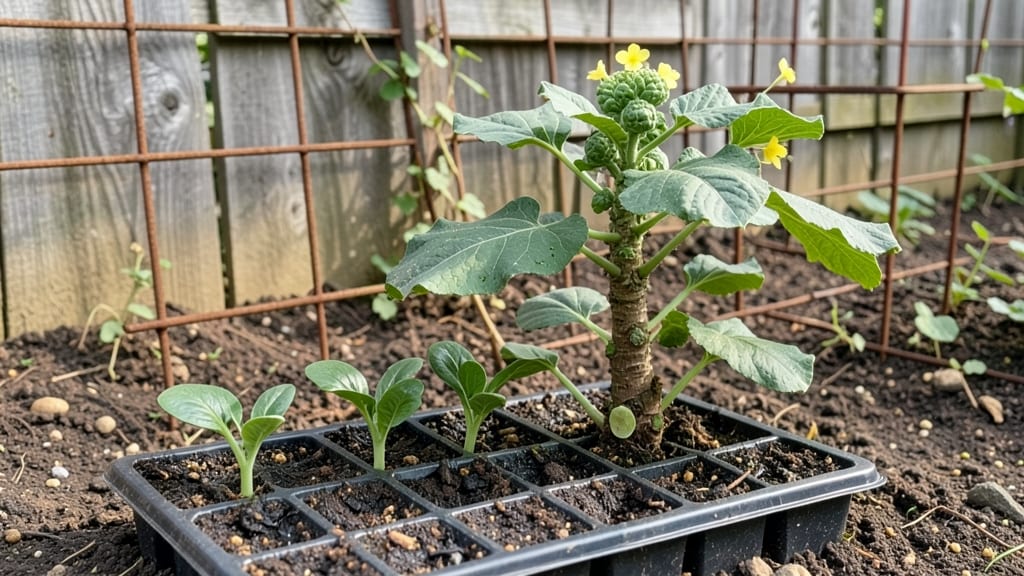
Planting brussel sprouts in Zone 8 🥦 requires precise timing to avoid heat stress or early frost—aim for late summer to early fall when soil temperatures drop below 80°F.
Most gardeners in Zone 8 miss the mark by planting too early, only to watch their sprouts bolt in the summer heat. Or they wait too long, ending up with small, bitter harvests before winter sets in.
The key is a 60- to 90-day window that aligns with your first frost date (usually mid-December), ensuring crisp, flavorful sprouts by January.
This guide breaks down the exact planting dates for both spring and fall crops, soil prep tips for Zone 8’s clay-heavy soils, and how to stretch your harvest through winter.
Whether you’re starting seeds indoors or transplanting seedlings, you’ll learn how to beat the heat and frost to grow bountiful, sweet sprouts.
We’ll also cover regional tweaks for northern vs. southern Zone 8, the best varieties for your climate, and how to tell when your plants are ready to harvest—before the birds get to them first.

Optimal planting windows for Brussel sprouts in Zone 8: early vs late season strategies
Brussel sprouts (Brassica oleracea) love cool weather, but Zone 8’s warm summers and mild winters demand precise timing. Plant too early, and your sprouts will bolt in the heat; too late, and frost will ruin your harvest.
The key is understanding your frost-free window and soil temperature requirements. For Zone 8, this means focusing on late summer to early fall plantings, with contingency plans for heatwaves.
Most Brussel sprout varieties mature in 60-90 days, so timing your transplant depends on your last expected frost date. In Zone 8, this typically falls between mid-December and mid-January. To ensure a successful harvest, start counting backward from your frost date.
For a 90-day variety, plant 8-10 weeks before frost—usually late August to early September. For faster-maturing 60-day varieties, you can extend your window to late September.
Here’s the critical comparison for Zone 8 growers:
| Planting Strategy | Best Transplant Window | Soil Temp Requirement | Frost Contingency | Heatwave Plan |
|---|---|---|---|---|
| Early Fall (Primary) | Late August - Early September | 50-60°F (10-15°C) | Use row covers for light frost | Provide afternoon shade |
| Late Fall (Secondary) | Late September - Early October | 45-55°F (7-13°C) | Choose cold-hardy varieties | Avoid planting if heatwave forecasted |
| Spring (Risky) | February - March (Indoor Start) | 60-70°F (15-21°C) for germination | Not recommended for Zone 8 | N/A |
Zone 8’s unpredictable summers often bring heatwaves that can stress young plants. If temperatures exceed 85°F (29°C) for more than a week, your Brussels sprouts may bolt prematurely. To mitigate this, use shade cloth (30-50%) during peak afternoon heat.
For extra protection, plant in partial shade or use drip irrigation to keep soil cool and moist. If a heatwave hits after transplanting, consider delaying planting by 2-3 weeks to avoid stress.
Soil temperature is another critical factor. Brussels sprouts thrive when soil is between 50-60°F (10-15°C). Use a soil thermometer to check before planting. If your soil is too warm, wait until evening to transplant or use mulch to cool the ground.
In Zone 8, soil temperatures often drop to ideal levels by late August, making this the perfect time to start your primary planting window.
For successive planting, stagger your transplants every 2-3 weeks from late August through early October. This ensures a continuous harvest from late fall through winter. For example, plant one batch in late August, another in early September, and a final batch in mid-September.
Each batch will mature at a different time, extending your harvest window and reducing the risk of losing everything to a single frost event.
Choose cold-hardy varieties like 'Long Island Improved' or 'Ruby Ball' for Zone 8. These varieties tolerate light frost and produce sweeter sprouts after a light freeze. Avoid heat-sensitive varieties like 'Coronet', which struggle in Zone 8’s summer heat.
Always check the days to maturity on seed packets and adjust your planting schedule accordingly. A 90-day variety planted in late August will be ready for harvest by mid-November, just before the first frost.
If you’re starting seeds indoors, begin 6-8 weeks before transplanting. Seedlings need 6+ hours of light daily and consistent moisture to avoid damping off. Harden off seedlings for 7-10 days before transplanting to prevent shock.
In Zone 8, this means starting seeds indoors in late June to early July for a late August transplant. Use grow lights if natural light is insufficient, as weak seedlings struggle in the heat.
Finally, monitor your local frost forecast and adjust your planting schedule as needed. Zone 8’s frost dates can vary by 1-2 weeks depending on elevation and microclimates.
If frost arrives early, harvest your sprouts before they’re damaged. For a sweetest flavor, wait for a light frost (28-30°F / -2 to -1°C) before
How to extend your Brussel sprouts harvest in Zone 8’s warm climate
Zone 8’s warm climate presents unique challenges for growing Brussel sprouts, but with the right strategies, you can enjoy a continuous harvest from fall through winter. The key is preventing bolting while extending the growing season.
By combining succession planting, shade cloth, and companion plants, you can regulate soil temperature and create ideal conditions for these cool-weather crops.
Brussel sprouts thrive when soil temperatures stay between 55°F and 75°F. In Zone 8, summer heat can push temperatures too high, causing plants to bolt prematurely. The solution? Staggered plantings and protective measures to keep roots cool and soil moist.
With these techniques, you can harvest flavorful sprouts for months instead of just a few weeks.
🌱 5 Proven Techniques to Extend Your Harvest
- Succession Planting: Start new batches every 2-3 weeks from mid-August to mid-September to ensure a steady supply.
- Shade Cloth: Use 30-50% shade cloth during peak summer heat (June-August) to lower soil temps by 10-15°F.
- Companion Plants: Pair with bush beans or lettuce to improve soil moisture and provide light shade.
- Mulching: Apply 4-6 inches of straw mulch to retain moisture and regulate soil temperature.
- Late-Season Fertilizing: Feed with balanced 10-10-10 fertilizer in early October to boost root growth before frost.
For succession planting, begin your first batch in mid-August and follow up with new plantings every 2-3 weeks until mid-September. This staggered approach ensures that as one batch matures, another is just getting established.
Each planting should be spaced 18-24 inches apart in rows 3 feet apart to allow for proper airflow and prevent disease.
When temperatures climb above 85°F, deploy shade cloth to protect young plants. A 30% shade cloth reduces light intensity while still allowing enough sunlight for growth. Secure the cloth with stakes or a hoop system to prevent it from touching the plants, which can cause fungal issues.
Remove the shade cloth in late September to allow plants to harden off before frost.
Companion planting is another game-changer in Zone 8. Pair your Brussel sprouts with bush beans, which fix nitrogen in the soil, or lettuce, which provides light shade and helps retain moisture. Avoid planting near tomatoes or strawberries, as they can compete for nutrients or attract pests. This natural partnership keeps your garden ecosystem balanced and your sprouts thriving.
To maximize your harvest, time your final planting to mature 8-10 weeks before your first frost. In Zone 8, this typically means planting your last batch in early to mid-September. After a light frost, the flavor of the sprouts intensifies, making them sweeter and more tender.
Harvest from the bottom up, twisting sprouts gently from the stem to avoid damaging the plant. This method encourages more sprouts to form higher up on the stalk.
With these techniques, you’ll transform Zone 8’s warm climate into an advantage, enjoying a long, productive harvest of homegrown Brussel sprouts that rival any store-bought variety.
The secret lies in adapting to your environment rather than fighting it—embrace the heat with shade, succession, and smart companions, and you’ll be rewarded with a bountiful garden all season long. 🥦