
Plants
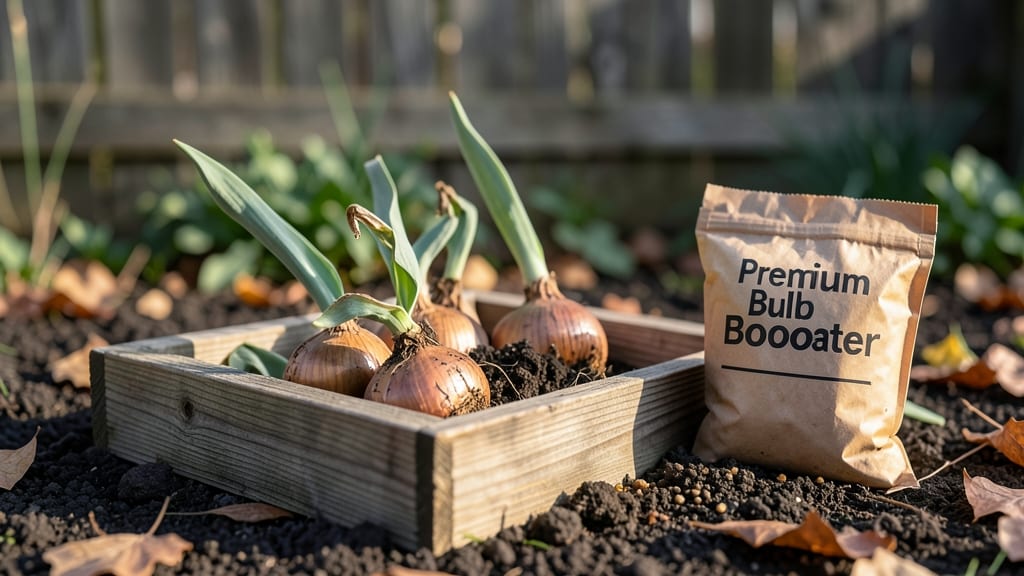
To plant bulbs in Zone 5, aim for late September through November for fall bloomers or March to early April for spring varieties—timing this right is the difference between a garden full of color and a missed opportunity.
Zone 5 gardeners know timing is everything—plant bulbs too early, and they’ll rot; too late, and you’ll miss peak blooms. But mastering the perfect window ensures vibrant spring displays year after year.
Fall planting gives bulbs a head start, while spring varieties need to avoid frost. Soil temperature and last-frost dates shift deadlines by weeks, so knowing your microclimate is key.
Below, I break down the exact months for tulips, daffodils, and more, plus soil prep tips to guarantee blooms that steal the show.

Zone 5 bulb planting calendar: exact months by flower type
Mastering the perfect planting window for Zone 5 bulbs means vibrant blooms instead of wasted effort. Fall is the golden season for most varieties, but spring planting works for tender types. The key? Soil temperatures below 60°F and 6-8 weeks before frost—or you risk rot or stunted growth.
I’ve planted daffodils in October for years, but tulips need to go in September to establish roots before winter. Summer bloomers like dahlias wait until after last frost (usually mid-May in Zone 5). Let’s break it down by flower type so you never miss a bloom.
| Bulb Type | Best Planting Month | Soil Temp Threshold | Frost Risk Factor | Notes |
|---|---|---|---|---|
| Daffodils | September-October | Below 60°F | Low (hardy to Zone 3) | Plant 6-8 inches deep. Deer-resistant! |
| Tulips | September-October | Below 55°F | Moderate (Zone 4) | Add bone meal for stronger stems. |
| Hyacinths | September-October | Below 50°F | High (Zone 5) | Plant in partial shade to prevent flopping. |
| Crocuses | September-October | Below 50°F | Very Low (Zone 3) | Early bloomers—plant shallow (3-4 inches). |
| Dahlias | May-June (after frost) | Above 60°F | High (Zone 7) | Tender bulbs—dig up after frost. |
| Lilies | April-May | Above 50°F | Moderate (Zone 4) | Plant 3-4 inches deep in full sun. |
Spring planting (March-April) works for tender bulbs like dahlias and lilies, but fall planting gives hardy types like daffodils a head start. My Zone 5 garden gets first frost around October 15, so I aim to finish by mid-October.
Use a soil thermometer—bulbs need cool soil to trigger root growth.
Pro tip: Mulch after planting with 2-3 inches of straw to insulate bulbs through winter. This keeps soil temps stable and prevents heaving (bulbs pushing out of the ground). I’ve seen tulips double their bloom count just from proper mulching!
For summer-blooming bulbs, wait until after last frost (usually mid-May in Zone 5). Dahlias and lilies hate cold soil, so plant them last. If you’re in northern Zone 5, push planting to June—just be ready to protect them if an early frost sneaks in.
Don’t forget soil prep! Work in compost and a slow-release fertilizer (like 5-10-10) before planting. Bulbs need well-draining soil—amend heavy clay with sand or perlite if needed. I test my soil every 2-3 years to keep pH between 6.0-7.0.
One common mistake? Planting too shallow. Use this rule: depth = 2-3x bulb height. A 2-inch daffodil bulb goes 4-6 inches deep. Mark your rows with stakes if you’re planting in layers (like tulips over crocuses for sequential blooms).
Finally, water deeply after planting to settle soil around bulbs, but reduce watering in winter. Overwatering in fall can rot bulbs before they’ve hardened off. My Zone 5 garden gets 10-12
Critical factors that determine your Zone 5 planting window
Planting bulbs in Zone 5 isn't just about picking a month—it's about understanding how soil temperature, frost dates, and microclimates interact. One week too early or late can mean the difference between vibrant blooms and wasted effort.
For example, tulips planted in early November may rot if the ground stays above 50°F, while daffodils planted in late October might not establish roots before frost. These nuances shift your planting window by 2-4 weeks depending on your location.
Your last frost date (typically April 15 in Zone 5) is the anchor point, but soil temperature is the real game-changer. Most bulbs need the ground to be below 60°F for root development before winter dormancy.
Use a soil thermometer—if it hovers around 55-60°F for more than a week, delay planting. In northern Zone 5 (like Minneapolis), this could mean waiting until mid-October, while southern Zone 5 (like St. Louis) might allow planting as early as late September.
- 🌡️ Soil Temperature: Aim for 50-60°F—plant too early when soil is warm, and bulbs rot; too late when soil cools, and roots won’t establish.
- ❄️ Last Frost Date: Fall planting should finish 6 weeks before the first hard frost (usually October 15 in Zone 5).
- 🌱 Bulb Hardiness: Daffodils (Zone 3-9) tolerate colder soils longer than tulips (Zone 3-8), extending their window by 1-2 weeks.
- ☀️ Microclimates: South-facing beds warm faster—plant 2 weeks earlier there. North-facing spots may need a 2-week delay.
- 🌧️ Rainfall Patterns: Wet soils delay planting—wait until 2-3 dry days post-rain to avoid compacted soil.
Don’t overlook microclimates—your garden isn’t uniform. A south-facing slope might warm enough for early September planting, while a shady woodland edge could require waiting until mid-October. Test your spots: Bury a thermometer in a 6-inch-deep hole for 3 days to gauge real conditions.
If your shade garden stays above 60°F in October, opt for late-blooming bulbs like alliums or fritillaries, which handle cooler soils better.
Bulb hardiness ratings also dictate your window. Tulips and hyacinths (Zone 3-8) need cooler soils to trigger dormancy, so plant them 4-6 weeks before frost. Daffodils (Zone 3-9) are more flexible—their roots can handle warmer soils longer, giving you a 2-week extension.
For summer-blooming bulbs like dahlias (Zone 7-10), wait until after the last frost (mid-May in Zone 5) when soil reaches 60°F consistently.
Pro tip: Use mulch to fine-tune your window. A 3-inch layer of straw insulates soil, letting you plant tulips 1 week earlier in fall or dahlias 1 week later in spring. Remove it in early spring to prevent rot from excess moisture.
Pair this with well-draining soil—amend clay with compost or sand to avoid waterlogged bulbs, which is a Zone 5 pitfall.
When in doubt, plant early—bulbs won’t sprout until spring, so they’re safe in the ground through winter. But if you’re late, focus on spring-planting bulbs like crocuses or snowdrops, which tolerate cooler soils and can go in as late as November.
For tulips, a December planting might still work if your soil stays below 40°F—just cover with mulch to protect them.