
Plants
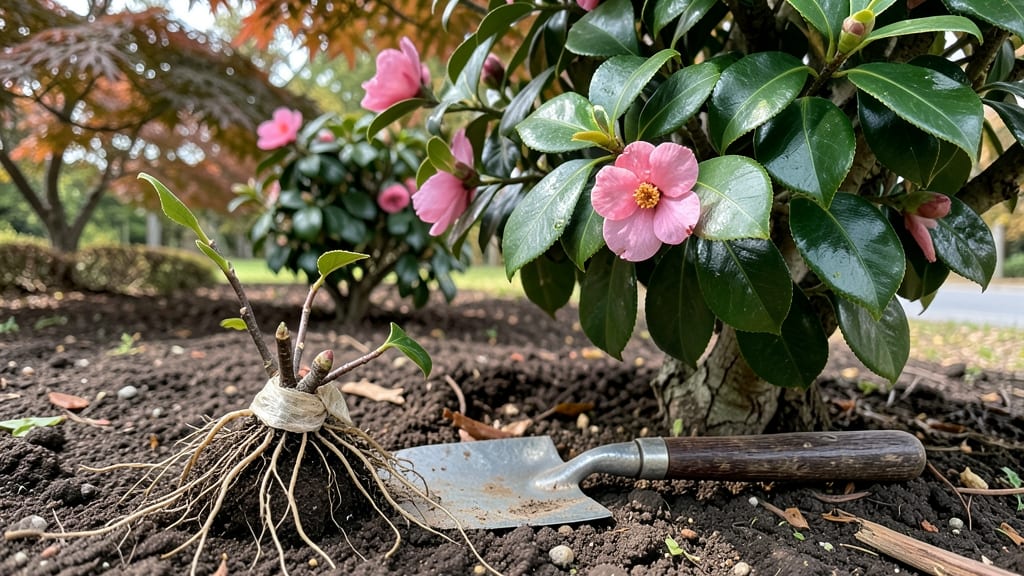
Planting camellias in Zone 7 at the right time means the difference between a showstopping display of 🌸 blooms and a struggling shrub that never quite thrives.
Zone 7 gardeners know timing is everything when planting camellias—get it wrong, and your stunning blooms may never appear. But with the right schedule, you’ll enjoy vibrant flowers for years, even in humid summers.
Fall is the best window for planting, between October and November, when soil stays warm but frost hasn’t arrived yet. This gives roots time to establish before winter dormancy, setting the stage for next year’s blooms.
In this guide, I’ll break down the exact months to plant, how to prep your soil for success, and the critical care steps to keep your camellias thriving through Zone 7’s climate quirks.

Optimal planting months for camellias in Zone 7: fall vs spring breakdown
Choosing the right time to plant camellias in Zone 7 can mean the difference between vibrant blooms and struggling shrubs. While both fall and spring work, each season offers unique advantages—and drawbacks—that directly impact your plant’s long-term health and flowering potential.
Fall planting (late October to early November) is my top recommendation for Zone 7 gardeners. The cooler temperatures and increased rainfall help roots establish before winter dormancy, setting your camellia up for stronger growth in spring.
However, spring planting (February to early March) can also succeed if done carefully, especially in milder microclimates.
Soil temperature and moisture levels are critical factors. In fall, aim for soil temps between 50°F and 60°F—ideal for root growth without stress. Spring planting requires waiting until after the last frost (mid-April in most of Zone 7) to avoid cold damage to tender new shoots.
One key difference is how each season affects bloom timing. Fall-planted camellias typically flower the following year, while spring-planted shrubs may produce blooms in their first season—if planted early enough. However, spring planting carries drought risks in Zone 7’s dry spells, so consistent watering is critical.
For bare-root camellias, fall is ideal because the lack of foliage reduces water loss. Container-grown plants, however, can handle spring planting better since their roots are already established. Always inspect roots before planting—healthy roots should be white or light tan, never dark or mushy.
Zone 7’s microclimates also play a role. Coastal areas with milder winters can plant slightly later in fall (up to mid-November), while inland regions should aim for early November to avoid early frosts. Spring plantings in inland areas should wait until late March to ensure soil warmth.
If you’re unsure which season suits your garden, consider your local frost dates and soil type. Sandy soils warm up faster in spring, while clay holds moisture longer—both factors influence planting success. For acid-loving camellias, a pH test (5.0–6.0) is essential before planting, regardless of season.
Remember, mulching is non-negotiable in both seasons. Apply 2–3 inches of organic mulch (like pine bark) to retain moisture and regulate soil temperature. This simple step can make the difference between a thriving camellia and one struggling to establish.
No matter which season you choose, prioritize well-draining, acidic soil and partial shade to protect delicate blooms from harsh afternoon sun. With the right timing and care, your camellias will reward you with stunning flowers for decades.
How to prepare your Zone 7 garden for camellia planting success
Camellias thrive in Zone 7’s mild winters and humid summers, but their success hinges on pre-planting prep. Unlike hardy shrubs, camellias demand acidic soil and proper drainage—two critical factors often overlooked by gardeners.
If you skip these steps, your plants may struggle with root rot or nutrient deficiencies, stunting growth and reducing blooms.
Start by selecting a partially shaded spot with 4–6 hours of morning sun. Zone 7’s intense afternoon heat can scorch delicate leaves, especially for Japonica varieties. Test your soil’s pH level—camellias crave acidity between 5.0 and 6.0.
If your soil tests higher, amend it with sulfur or peat moss months before planting to avoid shocking the roots.
🌱 Key Takeaway: When to Plant Camellias in Zone 7
Why? Fall planting lets roots establish before winter, while spring planting avoids transplant shock during Zone 7’s heat waves. Bare-root plants thrive in fall; container-grown plants adapt better to spring.
Pro Tip: For coastal Zone 7 (milder winters), extend planting to December. Inland areas should plant by November 15 to avoid early frosts.
Before planting, loosen the soil to a depth of 12–18 inches to encourage root penetration. Mix in 3–4 inches of organic matter, like compost or pine bark, to improve drainage and retain moisture.
Camellias hate soggy roots, so avoid heavy clay soils unless amended. If your yard drains poorly, consider a raised bed or mound planting to elevate roots.
Mulching is non-negotiable in Zone 7’s climate. Apply a 3-inch layer of pine straw or wood chips around the base of your camellia, keeping it 6 inches away from the trunk.
Mulch conserves moisture, regulates soil temperature, and slowly releases nutrients. Replenish it annually, as it breaks down over time. This step is especially critical during summer droughts, which can stress young plants.
Finally, water deeply after planting to settle the soil and eliminate air pockets. Use a soaker hose or drip irrigation to deliver moisture slowly, avoiding surface puddles.
In Zone 7’s humidity, overhead watering can promote fungal diseases like anthracnose. Stick to morning watering to let foliage dry before evening, reducing disease risk.
With these prep steps, your camellias will survive Zone 7’s extremes and reward you with lush foliage and stunning blooms for decades. The key? Acidic soil, proper drainage, and smart mulching—all tailored to your local microclimate. 🌸