
Plants
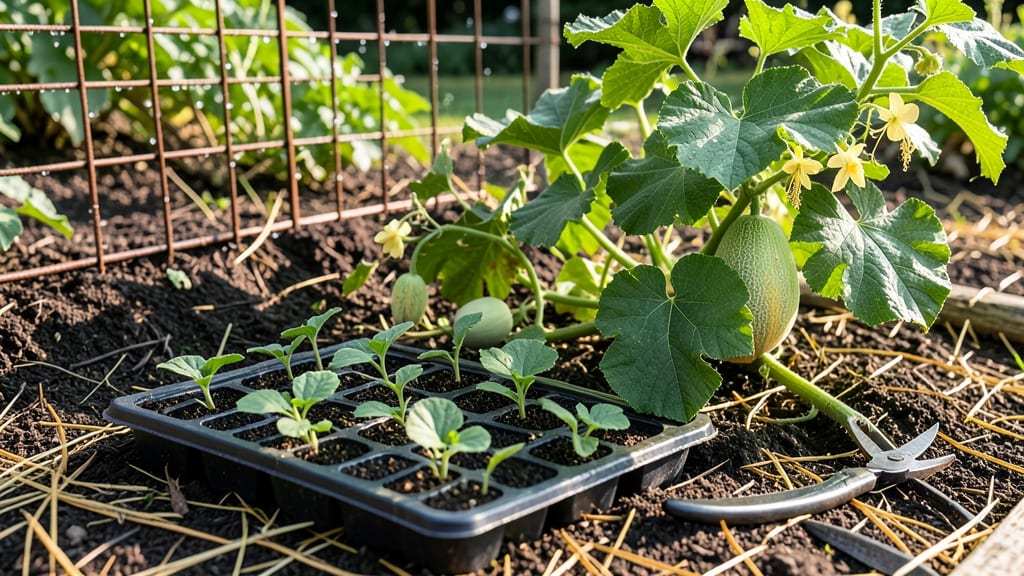
Plant cantaloupe in Zone 8b only after soil temperatures hit 70°F and all frost risk has passed — that’s usually late May for most of the region.
Skipping this rule means your vines will wilt or your fruit will rot before ripening, and I’ve seen it happen more times than I’d like to admit. The key is patience: cantaloupes 🍈 demand heat, and rushing them is a one-way ticket to disappointment.
In Zone 8b, where frost-free days stretch to 240, you’ve got a narrow window to get seeds in the ground or transplants set. Start too early, and a late cold snap will set you back weeks. Too late, and summer’s heat arrives before the fruit sets.
Below, I’ll walk you through the exact dates to plant, how to prep your soil for success, and the 3 critical care steps that keep your cantaloupes thriving from seed to harvest.

Optimal planting dates for cantaloupe in Zone 8b: soil temps and frost risks
Cantaloupes love heat but despise cold—planting them in Zone 8b requires precision to avoid frost damage or stunted growth. The key is waiting for soil temperatures to hit 70°F+ consistently, which typically aligns with late spring in this zone.
For most of Zone 8b, this means aiming for mid-April to early May for direct sowing, but your exact timeline depends on your last frost date.
First, check your average last frost date, which in Zone 8b usually falls around February 15, though microclimates can shift this by 2-3 weeks. Count back 2-3 months from your first expected frost in fall (typically November 15) to determine your frost-free window.
Cantaloupes need 80-100 days to mature, so plant seeds 70-80 days before frost for a reliable harvest.
For seeds vs. transplants, Zone 8b gardeners have two options: direct-sow seeds after the last frost when soil is warm, or start transplants indoors 3-4 weeks before your target outdoor planting date.
Transplants give you a 2-week head start, but cantaloupes hate root disturbance, so handle seedlings gently when transplanting.
| Planting Method | Optimal Zone 8b Window | Soil Temp Requirement | Frost Risk Level |
|---|---|---|---|
| Direct-Sown Seeds | Mid-April to early May | 70°F+ (minimum) | Low (after last frost) |
| Transplants (start indoors) | Late March to early April | 60°F+ (for seedlings) | Moderate (transplant after frost) |
| Succession Planting (2nd batch) | Late May to early June | 70°F+ (consistent) | None (summer heat) |
🌱 Pro Tip: Use a soil thermometer to confirm temps before planting—cantaloupes won't germinate below 65°F.
Not all cantaloupe varieties handle Zone 8b's heat equally. Heat-tolerant varieties like 'Athena' or 'Hale's Best' thrive in late-season plantings, while 'Ambrosia' or 'Minnesota Midget' prefer cooler early springs.
If you're planting in late May or June, choose heat-resistant types to avoid blossom drop or poor fruit set during summer heatwaves.
To calculate your exact planting window, use this formula: Last Frost Date - 80 Days = Safe Planting Window.
For example, if your last frost is March 1, subtract 80 days to land on December 15—but since cantaloupes can't survive winter, this confirms you should plant in mid-April or later. Adjust for early varieties (60-day harvest) or late varieties (90-day harvest).
For extended growing seasons, consider using black plastic mulch to warm soil faster or row covers for early starts. These tricks can push your planting window 1-2 weeks earlier, but remove covers once flowers appear to prevent overheating.
Always monitor nighttime temperatures—cantaloupes struggle below 55°F, even in Zone 8b.
One common mistake in Zone 8b is planting too early to "beat the heat." Cantaloupes grow slowly in cool soil and are prone to powdery mildew if nights stay chilly.
Wait until daytime highs consistently exceed 75°F before planting. If you're unsure, err on the side of late planting—cantaloupes will still produce a harvest if given enough summer heat.
After planting, focus on consistent moisture and mulching to keep roots cool. Water deeply once a week (or more in extreme heat) and avoid wetting leaves to prevent disease.
In Zone 8b, July and August are prime months for cantaloupe growth—this is when you'll see the fastest vine expansion and fruit development.
Remember, cantaloupes are annuals that thrive on short-term heat bursts. If your Zone 8b summer cools unexpectedly, opt for fast-maturing varieties or plan a second planting in late May for a staggered harvest.
With the right timing, you can enjoy homegrown cantaloupes from July through September—just don't rush the process! 🍈
How to extend your cantaloupe growing season in Zone 8b: row covers and succession planting
Zone 8b gardeners know cantaloupes love heat, but our cooler early springs and late-season heat waves can limit harvests. The secret to longer harvest windows lies in strategic timing and protective tools.
With row covers and succession planting, you can push your cantaloupe season by 4-6 weeks in both directions.
I’ve found that heat-tolerant varieties like 'Athena' and 'Hale’s Best' thrive even when temperatures climb above 95°F. These varieties also resist common Zone 8b pests like cucumber beetles, giving you more reliable yields. Combine them with the right techniques, and you’ll enjoy cantaloupes from late June through September.
🌱 Numbered Highlights: Extending Your Cantaloupe Season
- 📅 Early Start: Use row covers to plant seeds 4-6 weeks before your last frost date (typically mid-February in Zone 8b). Remove covers when vines reach 12 inches tall.
- 🌡️ Soil Warmth: Wait until soil temps hit 70°F+ (use a soil thermometer) before planting. In Zone 8b, this usually means late April to early May for direct sowing.
- 🔄 Succession Plant: Sow new seeds every 2 weeks from May through June. This ensures a continuous harvest as early melons ripen.
- 🌿 Heat Protection: For late-season plantings, use shade cloth (30%) during 100°F+ days to prevent blossom drop and fruit scorch.
- 🍈 Variety Choice: Prioritize 'Athena' (disease-resistant) or 'Hale’s Best' (heat-tolerant) for extended harvests in Zone 8b’s hot summers.
Row covers are my go-to for early-season protection. I use floating row covers to create a microclimate that warms the soil faster and shields seedlings from late frosts. For Zone 8b, I start seeds under covers in late February, then remove them once true leaves appear.
This gives me a 2-week head start on the standard planting schedule.
Succession planting is equally powerful. Instead of one big planting, I stagger seeds every 10-14 days from May through June. This ensures that as one batch of cantaloupes ripens, another is just starting to flower.
For example, my first planting goes in late April, the second in mid-May, and the third in early June. By late July, I’m harvesting from the first batch while the third is still setting fruit.
Don’t overlook late-season strategies either. When temperatures soar in August and September, I switch to shade cloth for afternoon protection. This prevents fruit sunscald and keeps bees active for pollination.
I’ve also had success with drip irrigation timed for early morning, which keeps roots cool and reduces stress on the vines during heatwaves.
Pro tip: Keep a planting journal to track which varieties perform best in your specific Zone 8b microclimate. Note soil temps, rainfall patterns, and any unexpected pests. Over time, you’ll refine your timing to match your local conditions perfectly.
With these techniques, you’ll turn Zone 8b’s short growing window into a long, productive cantaloupe season.