
Plants
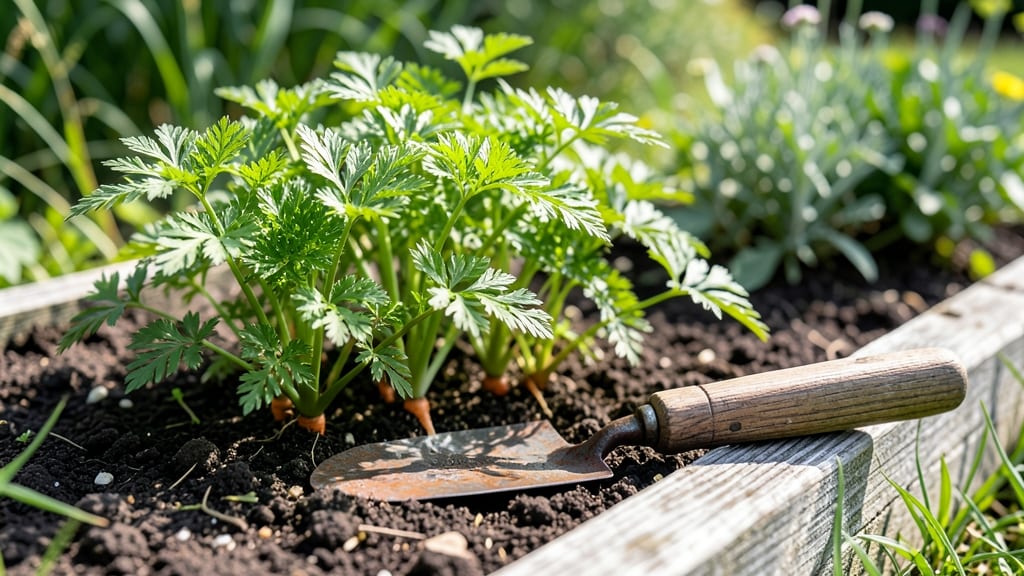
Planting carrots in Zone 6 at the right time means the difference between sweet, straight roots and bitter, misshapen ones.
Too early, and frost will turn your seeds to mush. Too late, and the heat will make them woody before you can harvest. I’ve made both mistakes—here’s how to nail the timing every time.
Zone 6’s short growing season demands precision: aim for early spring (March–April) or late summer (July–August) for your best harvests. The key is soil temperature—wait until the ground warms to at least 50°F for seeds to germinate reliably.
Below, I’ll break down the exact weeks to plant, how to extend your season with simple tricks, and the one mistake that ruins carrot shape—even for experienced gardeners.

Best planting weeks for carrots in Zone 6 by season
Timing is everything when growing carrots in Zone 6. Plant too early, and frost will damage tender seedlings. Plant too late, and you’ll end up with woody, bitter roots.
The key is understanding your frost-free window and soil temperature requirements. In Zone 6, we have two perfect planting seasons: early spring and late summer.
Carrots thrive when soil temperatures reach 50°F (10°C)—too cold, and germination slows dramatically. Too hot, and seeds may rot before sprouting. Zone 6 gardeners must work within mid-March to early April for spring planting and mid-July to early August for fall harvests.
Let’s break down the exact weeks for each season to maximize your yield.
| Season | Best Planting Weeks | Soil Temp (°F) | Harvest Window | Key Notes |
|---|---|---|---|---|
| Early Spring | Week 2-4 of March | 50-60°F | Late June - August | Use row covers for frost protection |
| Late Spring | Week 1-2 of April | 55-65°F | July - September | Best for long-season varieties |
| Summer | Week 3-4 of July | 60-70°F | October - November | Choose shorter-day varieties |
| Late Summer | Week 1-2 of August | 55-65°F | November - December | Use shade cloth if temps exceed 85°F |
For spring planting, aim for week 2-4 of March when soil temperatures stabilize above 50°F (10°C). This gives carrots enough time to mature before summer heat sets in. If you’re in a colder microclimate within Zone 6, wait until week 1 of April to avoid frost damage.
Use row covers or cold frames to extend your growing season by 2-3 weeks if needed.
Summer planting is trickier in Zone 6 because high temperatures can cause bolting (premature flowering) or poor germination. Plant short-day varieties like ‘Paris Market’ or ‘Little Finger’ in week 3-4 of July when soil temps drop slightly after peak summer heat.
Always water deeply in the morning to keep soil cool and moist for sprouting seeds.
Fall planting offers a second chance for harvests. Sow seeds in week 1-2 of August for a late fall crop. Choose fast-maturing varieties like ‘Early Nantes’ (55 days) to ensure harvest before first frost in mid-October.
If your soil stays warm into September, consider using shade cloth to protect seedlings from scorching.
Pro tip: Test your soil temperature with a soil thermometer before planting. Carrot seeds won’t germinate well below 50°F (10°C) or above 85°F (29°C). In Zone 6, morning soil temps in March can fluctuate wildly—wait for consistency.
For successive plantings, sow seeds every 2-3 weeks until mid-July to stagger harvests and avoid glut.
One common mistake Zone 6 gardeners make is planting carrots too close to summer’s end. If you sow seeds after early August, they may not mature before frost. Instead, focus on short-season varieties and prioritize fall harvests over winter storage.
Carrots stored in the ground often develop woodiness in Zone 6’s cold winters, so plan for fresh eating only.
To maximize your carrot yield, pair these planting weeks with loose, well-draining soil. Zone 6’s clay-heavy soils can cause forked or stunted roots. Amend beds with compost or sand before planting.
Also, thin seedlings to 2-3 inches apart once they’re 2 inches tall—this prevents overcrowding and ensures straight, sweet roots.
Remember, Zone 6’s frost-free window is roughly 165 days. With careful planning, you can enjoy fresh carrots from June through November. Start with early spring plantings, follow up with summer succession sowings, and cap off
How to extend carrot growing season in Zone 6
Zone 6 gardeners know the struggle—short growing seasons and unpredictable frosts can cut carrot harvests short. But with the right techniques, you can enjoy fresh, homegrown carrots from early spring to late fall.
The secret lies in succession planting, protective covers, and smart timing to avoid woody roots or frost damage.
Start by planning your planting windows carefully. In Zone 6, carrots thrive when soil temperatures stay between 50°F and 85°F.
This means your first planting should happen as soon as the ground is workable—typically late March to early April—while your last succession should go in by mid-July to harvest before frost.
⚠️ CAUTION: Common Mistake Alert! ⚠️
⚠️ Skipping succession plantings leaves gaps in your harvest.
⚠️ Using row covers too late in the season traps heat and stresses roots.
Solution: Test soil temperature with a soil thermometer before planting. Aim for 50°F+ for germination. For late-season extensions, use lightweight row covers only until mid-September to avoid overheating.
For early spring extensions, use cold frames or low tunnels to warm the soil. These structures can raise soil temps by 10-15°F, allowing you to plant 4-6 weeks earlier than usual.
Just remove the cover once seedlings emerge to prevent overheating. I’ve had success with Natoo cold frames—they’re affordable and easy to assemble.
Succession planting is your best friend for continuous harvests. Sow seeds every 2-3 weeks from spring through early summer. For fall harvests, plant again in mid-July to enjoy carrots until first frost.
Choose fast-maturing varieties like ‘Early Nantes’ (55 days) or ‘Paris Market’ (50 days) for shorter seasons.
Protect your late-season crops with floating row covers or agricultural fabric. These barriers shield carrots from light frosts (28°F) and pests like carrot rust flies. Just remember to secure the edges tightly—gaps let in cold air.
I’ve seen gardeners double up on covers for hard frosts (20°F), but remove them during the day to prevent heat buildup.
Finally, avoid overcrowding—thin seedlings to 2-3 inches apart as they grow. Crowded carrots compete for nutrients, leading to small, misshapen roots. Mulch with straw or shredded leaves to retain moisture and suppress weeds, which can stunt growth.
With these techniques, you’ll enjoy homegrown carrots for 6+ months in Zone 6!