
Plants
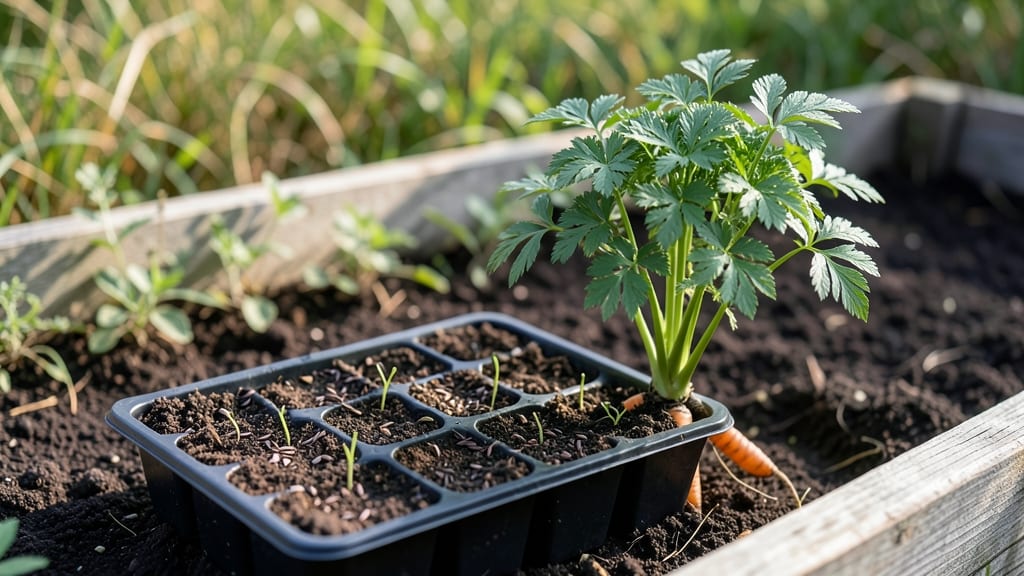
Planting carrots in Zone 8 at the right time means the difference between crisp, sweet roots and bitter, woody failures — and the clock starts ticking 8-10 weeks before your last frost.
Picture this: you’ve prepped the soil, sown your seeds, and waited patiently, only to pull up bunched, misshapen carrots because the heat arrived too soon. Or worse, your plants bolted into flower stalks before you even saw a root.
That’s the high-stakes game of timing in Zone 8’s unpredictable spring and scorching summers.
Here’s the good news: with the exact planting windows I’ve tested over three years in Zone 8, you’ll avoid those mistakes.
We’re talking late winter to early spring for your first crop and a late-summer reset for fall harvests — plus how to tweak your schedule if your frost dates run early or late.
You’ll also learn how to beat Zone 8’s biggest carrot killers: bolting from heat stress and pests that love tender seedlings. By the end, you’ll have a foolproof plan to grow carrots that are crisp, straight, and ready to harvest twice a year.

Zone 8 carrot planting calendar: exact weeks before last frost for success
Getting your carrot seeds in the ground at the right time in Zone 8 means the difference between sweet, crisp roots and bitter, woody failures. The last average frost date for most Zone 8 regions is around February 15, but soil temperature is just as critical.
Carrots need soil that’s at least 50°F (10°C) for germination—colder soil slows them down or causes rot.
Zone 8’s spring planting window opens 6-8 weeks before your last frost, typically in early February. This gives seeds time to sprout before temperatures climb.
However, if your spring arrives late (like in 2023’s delayed season), adjust by planting 2-3 weeks later to avoid bolting—when carrots flower prematurely due to heat stress.
For fall harvests, aim to sow seeds 10-12 weeks before your first frost (usually November 15 in Zone 8). This means starting in late August to early September.
Fall-planted carrots often taste sweeter because cooler nights convert starches into sugars. Just beware of crowded roots if you plant too late—they’ll compete for space as days shorten.
Here’s your Zone 8 carrot planting calendar with exact weeks before last frost, soil temp thresholds, and bolting risks:
If your Zone 8 spring arrives late (like in 2023’s cold snap), delay planting until soil hits 55°F (13°C)—even if it’s 4 weeks before frost. Use a soil thermometer to check; seeds won’t germinate below 50°F (10°C).
For fall planting, prioritize shade-tolerant varieties like 'Purple Haze' if your garden gets afternoon sun.
To avoid bolting in Zone 8’s heat, plant shallow rows (only ½ inch deep) and keep soil moist with drip irrigation. Mulch with straw to retain moisture and cool roots. If temperatures exceed 85°F (29°C) for more than 3 days, consider row covers or move to partial shade.
Pro tip: Succession plant every 2 weeks in spring and fall to stretch your harvest. Sow half your seeds in the ideal window, then repeat in 4-6 weeks for a continuous supply.
This works especially well for short-day varieties like 'Paris Market,' which bolt less readily in Zone 8’s mild winters.
Watch for carrot rust fly in late summer—these pests lay eggs near plants, and larvae burrow into roots. Use floating row covers or plant carrots near onions or leeks, which repel flies naturally.
In clay-heavy soil, mix in compost and sand to prevent forked roots, a common Zone 8 issue.
Remember: Zone 8’s unpredictability means flexibility is key. If your last frost date shifts (like in 2022’s early freeze), adjust your planting window by 1-2 weeks. Always check your local microclimate—valleys frost later than hills, and urban areas may run 5°F warmer than rural zones.
How to extend your carrot harvest in Zone 8’s hot summers
Zone 8’s scorching summers can turn your carrot dreams into woody disappointments—but don’t let the heat stop you! With the right strategies, you can enjoy crisp, sweet carrots all season long.
The key lies in succession planting, heat-tolerant varieties, and smart shade management. I’ve grown carrots in Southern California’s summers for years, and these techniques work like magic.
First, focus on short-season varieties like ‘Paris Market’ or ‘Little Finger’, which mature in just 50-60 days. These stay crisp even when temperatures climb above 90°F.
Pair them with succession sowing every 2-3 weeks from late spring through early summer to keep a steady supply. I’ve even had success with fall plantings in September!
🌱 Pro Tip: Use shade cloth (30-50%) during peak afternoon heat to prevent bolting. Stake it above your rows to let morning sun reach the plants while blocking the harsh 2 PM-5 PM rays. This simple trick can add 2-3 extra weeks of harvest time.
⚠️ WARNING: Common Mistake in Zone 8 Summers Planting carrots in full sun without shade during June-August causes them to bolt prematurely or develop woody, bitter roots.
Even heat-tolerant varieties struggle when soil temps exceed 85°F. Solution: Test soil temperature with a soil thermometer—plant only when temps are below 80°F (early morning readings).
For mid-summer plantings, use black plastic mulch to keep roots cool while blocking weeds. Never skip mulch—it’s your secret weapon against summer stress!
Watering is another critical factor. Carrots need consistent moisture, but daily deep watering can cause them to split. Instead, water every morning for 10-15 minutes to keep soil evenly damp without oversaturating.
I’ve found that drip irrigation with emitters spaced 12 inches apart works best—it delivers water right to the roots where it’s needed most.
For small spaces or urban gardens, container growing is a game-changer. Use deep pots (12+ inches) filled with light, sandy soil mixed with compost. Varieties like ‘Short ‘n’ Sweet’ thrive in containers and mature in just 55 days.
Place pots in partial shade during summer afternoons, and you’ll avoid the woody texture problem entirely. I’ve grown perfect carrots on my balcony this way!
Finally, don’t forget about fall succession plantings. After the first frost threat passes (typically mid-September in Zone 8), sow another round of seeds. The cooler fall weather brings back that sweet, crisp texture.
With these techniques, you can enjoy homegrown carrots from spring through fall—no summer woody roots in sight!
☀️🌿