
Plants
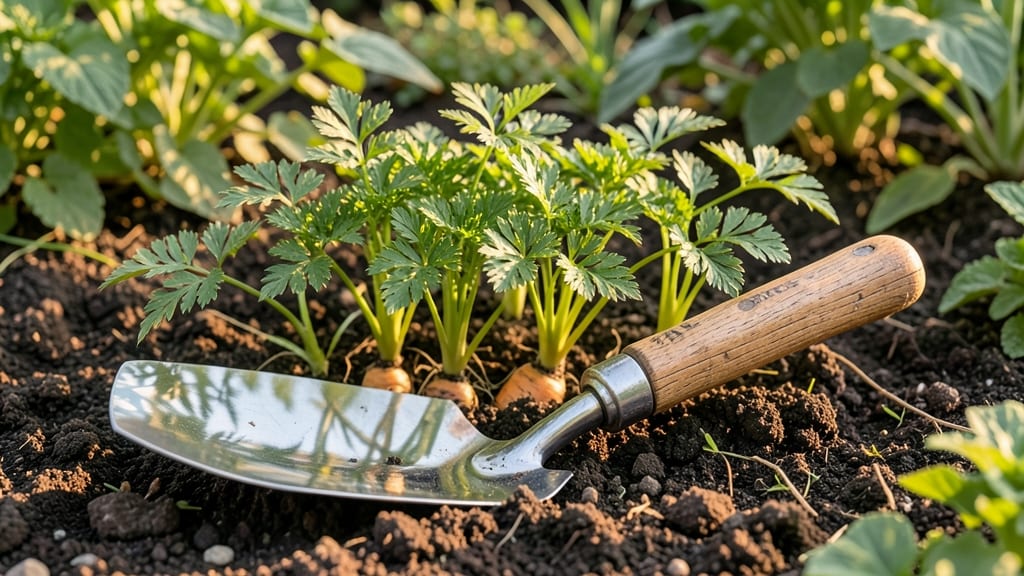
You can plant carrots in Zone 6 as soon as the soil warms to 50°F in early spring, or again in late summer for a fall harvest—just 8-10 weeks before your first frost.
Getting this wrong means either stunted roots from cold soil or bitter, stringy carrots from bolting heat. The key is reading your local frost dates and soil temperature, not just the calendar.
In Zone 6, that’s typically late March to early April for spring plantings, with a second chance in mid-to-late July for a fall crop. I’ll walk you through how to time it perfectly for straight, sweet carrots every time.
You’ll also learn how to stretch your harvest season with succession planting and which varieties handle Zone 6’s unpredictable swings best—no more wasted seeds or disappointing yields.

Zone 6 carrot planting calendar: exact weeks for success
Timing your carrot harvest in Zone 6 starts with understanding the frost-free window—typically April 15 to October 15. Carrots thrive when soil temperatures reach 45°F and stay above 50°F consistently.
Plant too early, and cold soil slows germination; too late, and summer heat causes bolting (bitter roots). Here’s your precise schedule to avoid these pitfalls.
The key to continuous harvests lies in succession planting—sowing seeds every 2-3 weeks during the growing season.
In Zone 6, this means starting in early spring, continuing through summer, and finishing in early fall. Early varieties like 'Paris Market' mature in 60 days, while late varieties like 'Chantenay' take 80 days. The goal? Stagger plantings so you’re harvesting fresh carrots from June through November.
For spring plantings, aim to sow seeds as soon as the soil is workable—typically 2-4 weeks before your last frost date. In Zone 6, this usually means mid-March to early April. Use a soil thermometer to confirm temperatures are above 45°F. If your soil stays cold, try black plastic mulch or a cold frame to accelerate warming. Early varieties like 'Paris Market' are perfect for spring because they mature quickly and tolerate cooler soils.
Summer plantings require more caution. Carrots planted in June or July face bolting risks from long daylight hours and heat. To mitigate this, choose bolting-resistant varieties like 'Rainbow' or 'Chantenay' and provide afternoon shade with shade cloth.
Plant these 8-10 weeks before your first frost (typically early August) to ensure a fall harvest before temperatures drop.
Fall plantings in Zone 6 can extend your harvest into November. Sow seeds 8-10 weeks before your first frost (usually early September) for a late-season crop. Short-day varieties like 'Golden Harvest' perform best in cooler fall temperatures.
Avoid planting too late—carrots need time to mature before frost sets in, or they’ll develop woody, bitter roots.
To maximize your harvest, practice succession planting every 2-3 weeks from spring through early summer. This ensures a steady supply of fresh carrots instead of a single overwhelming harvest.
For example, plant your first batch in mid-March, then follow up with sowings in early April, late April, and early May. Each batch will mature at different times, giving you a continuous supply.
One of my favorite tricks for Zone 6 gardeners is using row covers to extend the growing season. Lightweight fabric can protect young seedlings from unexpected late spring frosts or shield summer crops from bolt-inducing heat.
Remove covers during the day to allow pollination (if applicable) and reapply at night for extra protection. This simple hack can add 2-3 extra weeks to your
How to adjust your planting schedule for perfect carrots
Zone 6’s cool springs and unpredictable frosts make timing critical for carrots. The key is balancing soil warmth with frost dates—plant too early and seedlings rot; too late and heat triggers bolting. Here’s how to finesse your schedule for flawless harvests every season.
Start by testing your soil temperature—carrots need at least 50°F (10°C) to germinate. Use a soil thermometer or press your finger into the soil: if it’s easily workable, it’s ready.
In Zone 6, this usually means late March to early April, but cooler microclimates may need a 2-3 week delay.
🌱 5 Key Adjustments for Zone 6 Carrots
- 1. Warm soil first: Use black plastic mulch or straw blankets 1-2 weeks before planting to raise soil temps by 5-10°F.
- 2. Stagger plantings: Sow seeds every 2 weeks from April to July for a continuous harvest.
- 3. Choose heat-tolerant varieties: Opt for 'Danvers Half Long' or 'Nantes'—they handle warm stretches better than standard types.
- 4. Late-summer rescue: Plant 8-10 weeks before first frost (early September in Zone 6) for fall carrots.
- 5. Protect seedlings: Use floating row covers if nights drop below 40°F (4°C) after planting.
For succession planting, divide your garden into 3 planting blocks. Start the first block when soil is workable, then add new rows every 2-3 weeks.
This ensures you’re always harvesting mature carrots while younger batches grow. In my garden, this method gives me carrots from June through October—no gaps!
If your spring is especially wet and cold, try container growing with heat mats under pots. Fill containers with a sandy loam mix (carrots hate compacted soil) and place them in a sunny, sheltered spot.
This buys you 2-3 extra weeks of planting time before moving to the ground.
Don’t overlook fall planting—it’s often more reliable than spring in Zone 6. Aim for early September sowings to harvest before hard frosts. Use short-day varieties like 'Paris Market' (they mature in 50 days) to beat the clock.
Just remember: water consistently in fall to prevent woody roots as temps drop.
Pro tip: Mark your last frost date on your calendar, then count backward 80 days for your final planting. In Zone 6, this lands around mid-July. For extra insurance, cover seedlings with lightweight row fabric if a late frost sneaks in—your roots will thank you.