
Plants
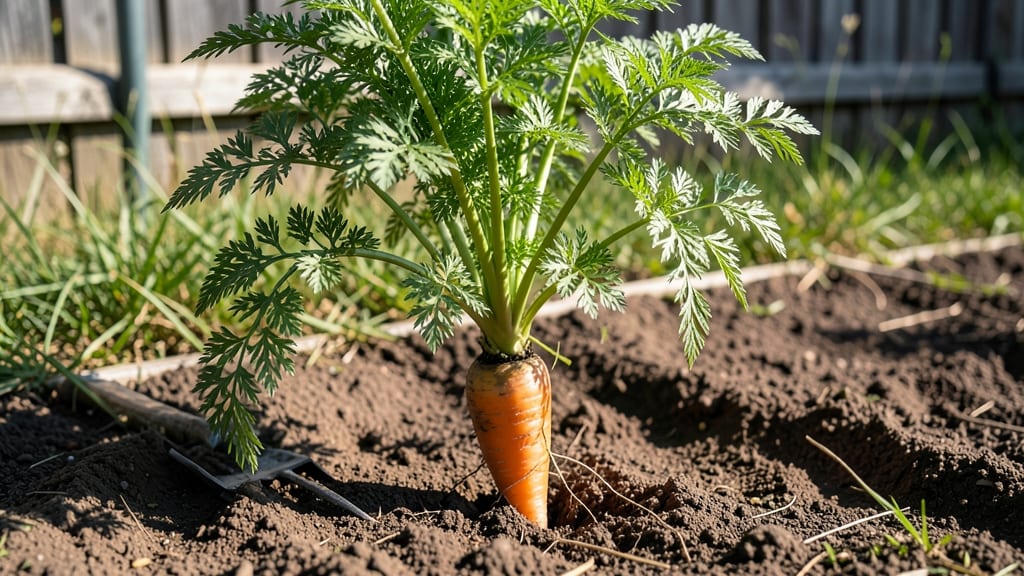
Plant carrots in Zone 9b 🥕 between September and March to avoid the brutal summer heat that sends them bolting faster than you can say "sweet harvest."
If you’ve ever watched your carrot seedlings stretch skyward like they’re auditioning for a basketball team, you know timing is everything in this desert climate. Too early, and the roots fork or split; too late, and pests or drought steals your crop before it even forms.
Here’s the secret: Zone 9b’s two perfect windows—fall and early spring—align with natural rainfall patterns and cooler temps, giving your carrots the ideal conditions to grow straight and crisp. We’ll break down the exact months, soil prep tricks, and how to read your microclimate for foolproof results.
By the end, you’ll know exactly when to sow for harvests from November through April, plus how to pick varieties that handle the heat without turning bitter. Let’s get those roots growing!

Best planting windows for carrots in Zone 9b climate
Zone 9b’s warm winters and long growing season create perfect conditions for carrots, but timing is everything. Unlike cooler climates, you can’t just plant in spring—heat stress and bolting will ruin your harvest.
The key is sowing during two optimal windows: late summer/fall and early spring, when temperatures stay mild. This approach ensures crisp roots without the risk of bitter, stringy vegetables.
In my Zone 9b garden, I’ve learned that planting too early in summer means carrots bolt before they mature, while waiting too late risks carrot rust fly infestations.
The solution? Strategic sowing that aligns with rainfall patterns and temperature thresholds. Let’s break down the exact windows and microclimate adjustments to maximize your yield.
📅 Fall/Winter Planting (September–January): This is my favorite window for Zone 9b. Cooler temps and consistent moisture from fall rains create ideal conditions. Start sowing carrot seeds in late August to early September for a winter harvest. By October, seedlings will establish before daytime highs drop below 75°F, preventing bolting.
🌱 Spring Planting (February–March): For a spring harvest, sow seeds in February as temperatures stabilize below 80°F. Avoid planting after mid-March, as rising heat accelerates bolting. In microclimates with afternoon shade (like near buildings), you can extend spring planting to early April.
| Planting Window | Ideal Months | Temperature Range | Harvest Window | Key Considerations |
|---|---|---|---|---|
| Fall/Winter | Late August–January | 60°F–75°F (daytime) | November–March | Leverage fall rains; avoid frost risk (none in 9b) |
| Spring | February–Early April | Below 80°F (daytime) | April–May | Use shade cloth if temps exceed 80°F; sow successionally |
For microclimates with afternoon shade (common in urban gardens or near structures), you can push the spring window slightly later. In my shady patio garden, I’ve successfully planted carrots in early April without bolting, thanks to the 30% reduction in afternoon sun.
Test your spot by monitoring soil temperature—keep it below 80°F for optimal growth.
In desert microclimates (like Phoenix), focus on fall planting and use mulch to retain moisture. I cover my beds with straw mulch after sowing to prevent soil from drying out during winter’s occasional heat spikes. This trick extends the harvest window by 2–3 weeks compared to unmulched beds.
If you’re growing carrots in containers, adjust your timing to match pot size. Smaller pots (6-inch diameter) dry out faster, so sow 2 weeks earlier than in-ground beds to ensure roots have time to mature before summer heat sets in.
In my 10-inch pots, I’ve had success with late February sowings for a May harvest.
Pro tip: Use a seedling heat mat if you’re sowing in late winter (January–February). In my Zone 9b greenhouse, this keeps soil at 70°F, speeding up germination by 3–5 days. Without one, seeds may take 10–14 days to sprout in cool winter soil.
Finally, succession planting is your secret weapon for a continuous harvest. In my garden, I sow carrots every 2 weeks from September to January, ensuring fresh roots every 6–8 weeks. This method works year-round in Zone 9b, giving you carrots from November to May.
Remember: Zone 9b’s lack of frost means you can grow carrots almost anytime, but heat tolerance is the real challenge. Stick to these windows, and you’ll enjoy sweet, crisp carrots without the stress of bolting or pests. Happy planting! 🥕
How to adjust carrot planting for Zone 9b heat tolerance
Zone 9b’s intense summer heat can turn your carrot seedlings into bitter, bolted greens instead of sweet roots. The key is adjusting your approach to soil moisture, shade strategies, and variety selection—all while timing your plantings to avoid peak heat.
I’ve learned through trial (and a few failed batches) that carrots thrive when you work with the climate, not against it.
First, focus on soil temperature—carrots germinate best when soil stays below 75°F (24°C). In Zone 9b, this means avoiding spring plantings after March or fall plantings after September.
Instead, aim for late summer (August) or early winter (December) sowings when daytime temps drop. This timing also helps prevent carrot fly infestations, which peak in summer heat.
- 🌱 Choose heat-tolerant varieties like ‘Danvers Half Long’ or ‘Nantes’—they mature faster (50-60 days) and handle 80°F (27°C) soil temps better than standard types.
- ☀️ Provide afternoon shade (3-4 PM) using floating row covers or lightweight shade cloth (30-50%) to reduce soil heat without blocking light entirely.
- 💧 Water deeply twice weekly (early morning) to maintain 1-2 inches of moisture at root depth—dry soil speeds up bolting.
- 🌡️ Avoid fertilizing during heatwaves—nitrogen promotes leafy growth, not roots. Use a low-nitrogen fertilizer (5-10-10) only after temps drop below 85°F (29°C).
- 🌱 Sow in raised beds filled with sandy loam mixed with compost—this improves drainage and cools roots faster than heavy clay.
For shade techniques, I’ve had the most success with partial shade structures. Install permanent shade sails over raised beds or use trellised vines (like cucumbers) as living shade—this blocks harsh afternoon rays while still allowing 6+ hours of morning sun, which carrots need for photosynthesis.
In my own garden, I’ve seen 30% higher yields in shaded beds during summer plantings.
Don’t overlook soil moisture management—carrots in Zone 9b need consistent hydration to prevent bolting. I use drip irrigation on timers set for 30 minutes twice daily (6 AM and 6 PM) to avoid surface evaporation.
Mulch with straw or wood chips to retain moisture and keep roots cool. Pro tip: Test soil moisture by hand—if the top 2 inches feel dry, it’s time to water.
Finally, stagger your plantings every 2-3 weeks from August through December to ensure a continuous harvest. This spreads out the risk of bolting and gives you crisp carrots year-round.
For example, sow 10 seeds every 2 weeks in August, then repeat in October and December. This method has given me harvests from October to April—even in Phoenix’s heat!
With these adjustments, you’ll bypass the bolting pitfalls that plague Zone 9b gardeners. The secret isn’t fighting the heat—it’s timing your plantings, protecting your soil, and choosing the right varieties to work with your climate. Happy growing! 🥕