
Plants
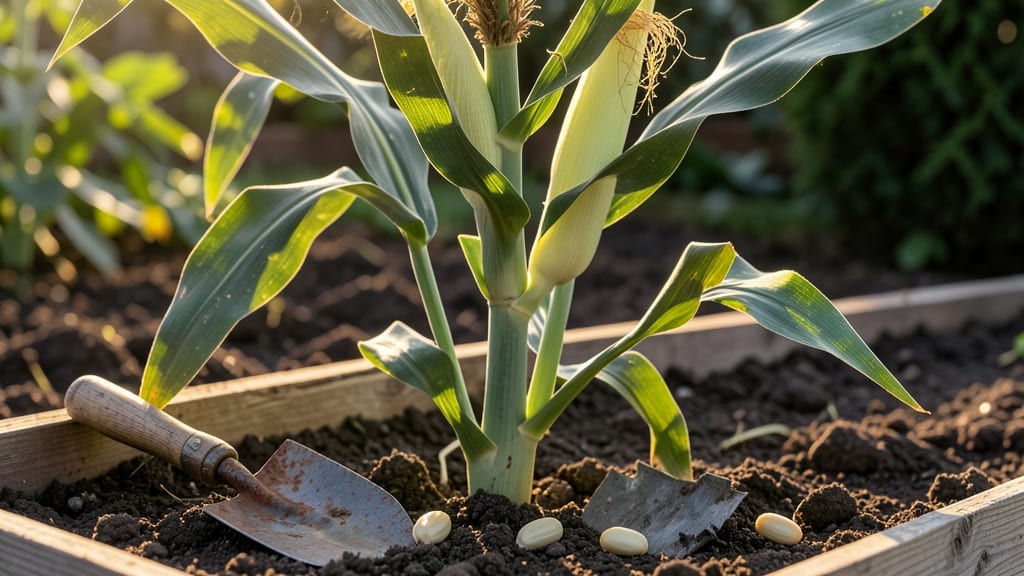
Planting corn in Zone 9 means timing it right to avoid summer heat stress and ensure sweet, plump ears 🌽 — aim for early spring when soil warms to 60°F and days are still mild.
Miss that window, and you’ll face scorching temperatures before the corn even sets ears. I’ve watched entire rows wilt under Phoenix sun, which is why the March-to-April window is non-negotiable for Zone 9 growers.
Here’s the secret: succession planting in late February and early May lets you stretch the harvest, while black plastic mulch speeds up soil warming. I’ll break down the exact dates, soil prep, and heat-resistant varieties that thrive in Zone 9’s climate.
By the end, you’ll know exactly when to plant for maximum yields, how to beat the heat, and which companion plants keep pests at bay—no more guessing, just golden ears.

Zone 9 corn planting calendar: exact dates for frost-free success
Growing corn in Zone 9 means working with a frost-free year-round advantage, but timing still matters. Unlike northern climates, we don’t worry about killing frosts, but soil temperatures and heat tolerance become critical.
Plant too early, and your corn may struggle with cooler soil; too late, and summer’s intense heat can stress plants before harvest.
Zone 9’s microclimates—like coastal areas (e.g., Southern California) versus inland deserts (e.g., Phoenix)—create 3-4 week differences in ideal planting windows. Coastal regions stay cooler longer, while inland areas heat up faster. Understanding these nuances ensures your corn reaches maturity before summer’s peak heat.
Here’s your Zone 9 corn planting calendar, broken down by early, mid, and late-season windows, along with soil temperature and variety recommendations to maximize yields.
For coastal Zone 9 (e.g., San Diego, Santa Barbara), aim for February-March plantings to avoid late-winter chills below 50°F. Use black plastic mulch to warm soil faster if needed. These areas can support two harvests per year with staggered plantings.
Inland desert regions (e.g., Phoenix, Palm Springs) should plant March-April to escape summer’s 110°F+ heat. Fast-maturing varieties like Ambrosia (55 days) thrive here, while slower varieties risk heat stress before pollination. Always check soil moisture daily—drought can stall growth.
Pro tip: Monitor tasseling (when pollen appears). If silks dry out before pollination, hand-pollinate by gently brushing tassels onto silks. This is critical in hot, dry Zone 9 summers where humidity drops below 30%.
Zone 9’s long growing season lets you experiment with succession planting. After your first harvest in June, replant heat-tolerant varieties every 2 weeks for ears through September. Just ensure your final planting finishes before October’s cooling trend.
One common mistake? Overestimating heat tolerance. Even heat-resistant varieties struggle if planted too late. For example, Bodacious (80 days) planted in May may bolt before maturity in inland areas. Always calculate backward from your first frost date—though Zone 9 rarely sees frost, cool snaps can occur.
Ready to plant? Grab a soil thermometer, choose your variety, and mark your calendar. With these Zone 9-specific dates, you’ll enjoy sweet, plump corn from spring through fall—no frost in sight! 🌽
How to adjust planting for Zone 9’s heat and humidity challenges
Zone 9’s heat and humidity can turn corn-growing into a challenge if you’re not prepared. The key is adapting your planting schedule and care routine to match the climate’s intense summer conditions.
Unlike cooler zones, corn here thrives best when planted early to avoid the peak heat of June and July, when temperatures can exceed 100°F.
Succession planting is your best friend in Zone 9. By staggering plantings every 2-3 weeks from February through April, you ensure a continuous harvest before the monsoon season brings excessive moisture. This approach also prevents overcrowding, which stresses plants in high humidity.
⚠️ WARNING: Common Mistake in Zone 9 Planting corn too deep in dry soil is a recipe for disaster. In Zone 9’s sandy or rocky soils, seeds need to be placed 1-2 inches deep—any deeper, and they’ll struggle to sprout.
Overwatering at planting can also cause seeds to rot in the humid heat. Instead, water lightly until germination, then ramp up moisture as plants establish roots.
⚠️ Planting Too Deep in Dry Soil
In Zone 9’s arid conditions, planting corn seeds deeper than 2 inches can suffocate them. The soil stays dry longer, and seeds may never germinate. Pro Tip: Test soil moisture before planting—if the top 2 inches are dry, water lightly first, then plant shallowly.
For soil moisture management, mulch is non-negotiable. Use straw or wood chips to retain moisture and regulate soil temperature. In high humidity, mulch also prevents fungal diseases like corn smut by keeping foliage dry.
Apply a 3-inch layer around plants but avoid piling mulch against stems to prevent rot.
Shade cloth can save your corn during late-summer heatwaves. Use a 30-50% shade cloth to reduce sunlight intensity when temperatures exceed 95°F. This is especially helpful for drought-resistant varieties like ‘Peaches and Cream’ or ‘Golden Bantam,’ which still need protection from extreme heat.
Choose fast-maturing varieties (60-75 days) to harvest before the monsoon season arrives. Varieties like ‘Silver Queen’ or ‘Early Sunglow’ mature quickly and handle Zone 9’s heat better than slower-growing types. Pair them with succession planting to extend your harvest window.
Finally, avoid over-fertilizing with nitrogen—it encourages leafy growth at the expense of ears. Instead, use a balanced 10-10-10 fertilizer at planting and side-dress with compost when plants reach knee height. This supports root development without promoting excessive foliage in the humid climate. 🌽