
Plants
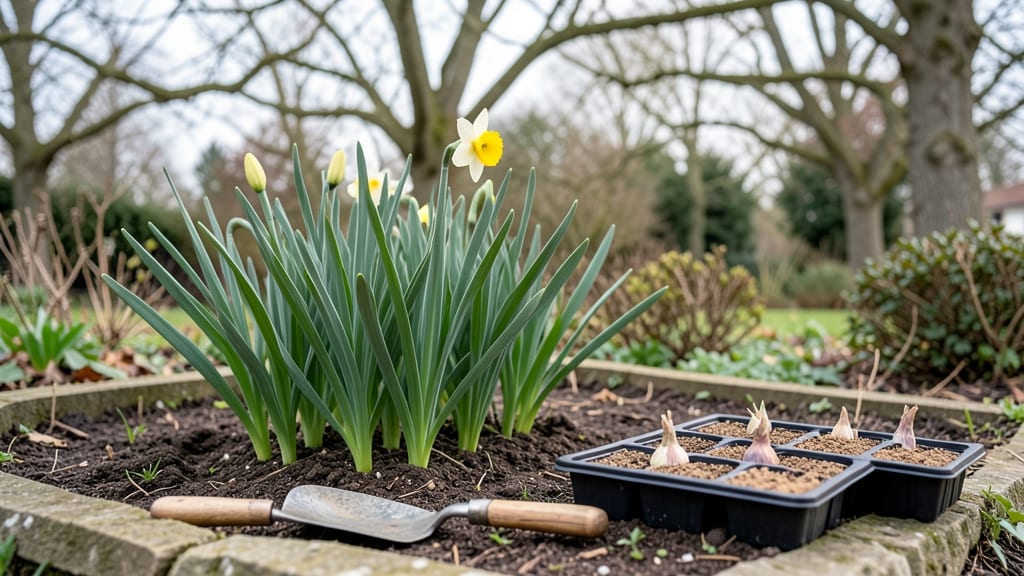
Planting daffodils in Zone 9b during October through December is the key to vibrant blooms without summer heat stress.
If you’ve ever planted bulbs too early and watched them rot in the heat, or too late and missed the winter rains, you know timing is everything. Zone 9b’s warm winters make daffodils tricky—get it wrong, and your 🌼 may never bloom.
But with the right strategy, you can enjoy those cheerful spring flowers year after year.
The secret lies in soil temperature and seasonal cues. Bulbs need 6-8 weeks to establish roots before summer heat arrives, which means planting in late fall is critical. Too early, and the bulbs may sprout prematurely; too late, and they won’t have time to anchor before the dry season hits.
Below, I’ll walk you through the best months for planting, soil prep tips to prevent rot, and alternative methods if you miss the ideal window. By the end, you’ll know exactly when to plant for healthy, thriving daffodils in your desert or coastal garden.

Best planting months for daffodils in Zone 9b to avoid heat stress
In Zone 9b, where winters are mild and summers scorching, planting daffodils at the wrong time can spell disaster. Unlike cooler climates, these bulbs need 6-8 weeks of cooler soil temperatures to establish roots before summer heat arrives.
Plant too early, and they’ll rot; too late, and they may not bloom. My ideal window is October through November, when soil temps drop below 70°F but before heavy rains arrive.
Daffodils thrive when planted in late fall because they rely on cool soil to trigger root growth. In Zone 9b, summer heat can cause bulbs to prematurely sprout or even cook in the ground.
By planting in October or November, you give roots time to anchor before the spring heatwave hits. This timing also aligns with natural rainfall patterns in many Zone 9b regions, reducing irrigation needs.
Here’s why timing matters so much in Zone 9b: daffodil bulbs need consistent moisture but hate soggy soil. Planting too early (like September) risks bulb rot from lingering summer heat, while planting too late (December+) may leave them vulnerable to drought stress before roots establish.
The 6-8 week rule ensures bulbs get just enough cool weather to wake up without facing summer’s intensity.
| Planting Window | Soil Temp Threshold | Key Seasonal Cue | Risk if Timing is Off |
|---|---|---|---|
| October | 65–70°F | First winter rains arrive | Bulb rot from residual heat |
| November | 60–65°F | Daylight shortens significantly | Weak root growth before summer |
| December | 55–60°F | Holiday rains begin | Drought stress if dry spell follows |
| January | 50–55°F | Wildflowers start blooming | Missed spring bloom season |
🌱 Best Months: October–November
To check if your soil is ready, use a soil thermometer—aim for 60–70°F at 6 inches deep. In Zone 9b, this usually happens in late October. If your soil stays above 75°F in fall, plant in shaded areas or use mulch to cool the ground.
I’ve found that dwarf varieties like ‘Tête-à-Tête’ handle heat slightly better than standard types, but timing still matters most.
Another key cue is rainfall patterns. In Southern California, for example, October rains signal it’s time to plant. If your area gets winter rains, wait until those arrive to ensure moisture without overwatering. Drip irrigation on a timer can help if natural rains are unreliable.
Remember: daffodils need moist but not soggy soil—too much water in summer will kill them.
If you miss the October–November window, don’t panic—you can still plant in December, but success depends on consistent moisture. I’ve had luck with December plantings in cooler microclimates (like near shade trees), but they’re riskier.
Avoid planting in January or later unless you’re in a high-elevation Zone 9b spot, as bulbs may not get enough cooling period before summer.
Pro tip: Pre-chill bulbs for 4–6 weeks in the fridge if planting in December. Place them in a paper bag in the crispier drawer (not the freezer) to simulate winter.
This mimics the cool soil temps they’d get in an ideal October planting. I’ve used this trick in Phoenix with great results—even in January!
Finally, mulch heavily after planting to insulate bulbs from summer heat. Use 3–
How to prepare Zone 9b soil for daffodil bulbs before planting
Daffodils thrive in Zone 9b when planted in well-prepared soil that balances drainage and moisture retention. Unlike cooler climates, our warm winters demand extra care to prevent bulb rot from excess moisture while ensuring roots establish before summer heat arrives.
Start by testing your soil's drainage—daffodils hate soggy conditions. If water pools after 30 minutes, amend the area with coarse sand or perlite (20% of the soil mix). This mimics their native Mediterranean environment where bulbs need airflow to prevent fungal issues.
⚠️ callout warning ⚠️
While October–November is ideal for planting in Zone 9b, soil prep must happen 4–6 weeks beforehand. If you wait until December, your amended soil won't have time to settle, risking compaction and poor root growth. Test soil pH (target: 6.0–7.0) and adjust with lime if too acidic—daffodils struggle below pH 5.5.
Next, enrich the soil with organic matter. Work in 3–4 inches of compost or well-rotted manure to the top 12 inches of soil. This improves moisture retention while keeping the soil loose and aerated.
For sandy soils common in Zone 9b (like Phoenix or Riverside), add peat moss to help retain moisture without suffocating roots.
Create planting pockets by digging holes 3x wider than the bulb and 6–8 inches deep. Space bulbs 4–6 inches apart to allow airflow—critical in humid Zone 9b summers.
At the bottom of each hole, mix in a handful of bone meal (high in phosphorus) to jumpstart root growth before the first rains arrive.
After planting, mulch with 2–3 inches of straw or shredded leaves to regulate soil temperature and reduce evaporation. Avoid thick mulch layers, which can trap moisture and promote rot. In December–January, water lightly every 2–3 weeks unless we have consistent rains—daffodils need moisture to root but hate waterlogged soil.
Finally, monitor for pests like squirrels or rodents, which love fresh daffodil bulbs. Scatter gravel or crushed eggshells around planting areas as a natural deterrent.
With these soil prep steps, your Zone 9b daffodils will establish strong roots and bloom beautifully next spring—without the rot risk common in our warm climate.