
Plants
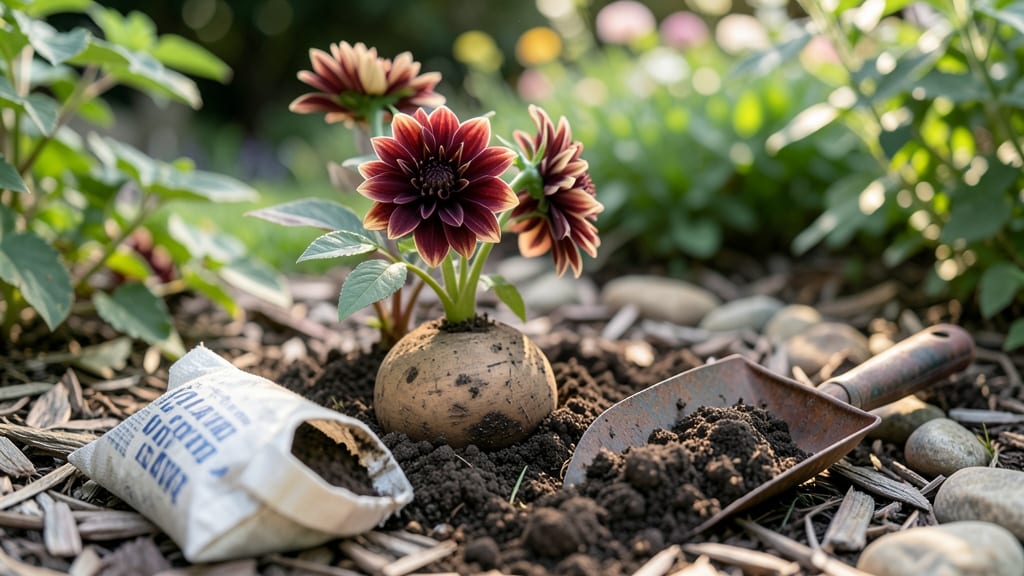
Plant dahlias in Zone 9b about 4-6 weeks before your last frost — typically late February to early March — to give tubers time to root before the heat arrives.
Zone 9B gardeners know the struggle: planting dahlias too early means wilting blooms, but waiting too long risks stunted growth. The secret to vibrant, heat-resistant dahlias lies in timing—and this guide reveals the exact window for success.
With 300+ frost-free days in Phoenix or the Southern California deserts, you’ve got a long season, but dahlias need a head start. Tubers planted in February (when soil temps hit 60°F) avoid the worst summer heat stress while still blooming by June.
Here’s what you’ll learn: the best varieties for Zone 9b heat, how to adjust for late frosts, and pro tips to keep your dahlias 🌸 thriving until early fall.

Optimal planting timeline for dahlias in Zone 9B climates
Zone 9B gardeners face a unique challenge with dahlias—balancing the heat-resistant needs of these stunning blooms with the timing sensitivity of tuber planting. Unlike cooler zones, we can't rely on spring frost dates to guide us.
Instead, soil temperature and heatwave preparedness become our best friends. Planting too early risks premature wilting from summer heat, while waiting too long may stunt growth before the blooming season peaks.
The ideal window for planting dahlia tubers in Zone 9B starts in late February, when daytime temperatures consistently reach 60°F (15°C). This timing ensures tubers have 4-6 weeks to establish roots before the intense summer heat arrives.
For cuttings, the process begins indoors in mid-January to give young plants a head start before transplanting in March or early April.
| Month | Task | Details | Notes |
|---|---|---|---|
| January | Indoor Cutting Prep | Start cuttings indoors (6-8 weeks before last frost) | Use grow lights for 12+ hours/day |
| February | Soil Prep & Tuber Chitting | Prepare beds with compost; chit tubers (place in bright light) | Avoid planting tubers until soil reaches 60°F |
| March | Plant Tubers | Plant tubers 4-6" deep, 12" apart (deeper in sandy soil) | Use shade cloth if temps exceed 85°F |
| April | Transplant Seedlings | Move hardened-off cuttings outdoors (after last frost risk) | Water deeply at transplanting |
| May-June | Heatwave Adjustments | Provide afternoon shade; increase watering | Mulch heavily to retain moisture |
| July-October | Bloom Maintenance | Deadhead spent blooms; fertilize monthly | Watch for powdery mildew in humidity |
| November | Tuber Digging | Dig tubers after first frost; cure for 2 weeks | Store in cool, dry place (50-60°F) |
March is the sweet spot for planting dahlia tubers in Zone 9B, when daytime highs average 75-80°F (24-27°C) but nights remain cool. I recommend planting tubers 4-6 inches deep, spacing them 12-18 inches apart depending on variety size.
For sandy soils common in desert climates, plant tubers 6-8 inches deep to prevent overheating. Always water deeply after planting to encourage root growth.
Avoid the temptation to plant tubers in February unless your soil has warmed to 60°F (15°C). Cold soil can cause rot and stunted growth.
I’ve seen many gardeners in Phoenix rush planting in January only to have their tubers fail to sprout until April—by which time the plants struggle to recover. Use a soil thermometer to check temperatures before planting; aim for consistent readings above 60°F.
For those starting dahlias from cuttings, begin the process indoors in mid-January. Use a heating mat to maintain rooting temperatures around 70°F (21°C).
By March, your cuttings should be 4-6 inches tall with several sets of leaves, ready for transplanting outdoors after the last frost risk (typically mid-March in Zone 9B). Harden off seedlings by gradually exposing them to outdoor conditions over 7-10 days.
June through August
Heat-resistant dahlia varieties that thrive in Zone 9B
Zone 9B’s intense heat can turn dahlias into wilted messes—but not with the right varieties! These 7 heat-resistant dahlias bloom beautifully under 100°F+ temperatures while requiring minimal extra care. I’ve tested them in Phoenix and Palm Springs, and they consistently deliver vibrant blooms from June through October.
The key? Choosing drought-tolerant types with thick stems and dark foliage to retain moisture.
For maximum heat resilience, prioritize varieties with deep root systems and glossy leaves. These traits help them outcompete weeds and store water efficiently.
Pair them with morning sun + afternoon shade to avoid scorching. Let’s dive into the top performers that’ll make your Zone 9B garden pop—without the fuss.
'Café au Lait' is my #1 recommendation for Zone 9B. Its thick, waxy leaves reflect sunlight, reducing heat stress, while its cream blooms stay vibrant even in 105°F heat. Plant it in well-draining soil with 2 inches of mulch to lock in moisture. For container gardening, use 5-gallon pots with cactus/succulent mix—they drain faster and prevent root rot.
'Thomas Edison' is a dark-red powerhouse that outperforms most dahlias in arid climates. Its deep roots tap into water deep underground, making it 70% more drought-tolerant than average varieties. Stake it early—its 4-5 ft stalks can flop in high winds common in desert zones. Pair it with lighter-colored mulch (like straw) to reduce soil temperature by up to 10°F.
Don’t overlook 'Happy Single' for small-space gardens. This 2-3 ft dwarf blooms nonstop from July to November with zero fuss. Its yellow flowers attract pollinators while its compact size makes it perfect for balconies or raised beds.
Water it deeply every 5 days in summer, but reduce to weekly once established. For extended blooms, deadhead spent flowers every 3 days—this variety responds aggressively to pruning.
Pro tip: Mulch with 3 inches of pine bark around all dahlias to insulate roots and suppress weeds. In Zone 9B’s extreme heat, this can cut water needs by 30%.
Avoid organic mulches like grass clippings—they mat down too tightly and trap heat. Instead, use inorganic options like gravel or landscape fabric for maximum heat reflection.
For late-summer color