
Plants
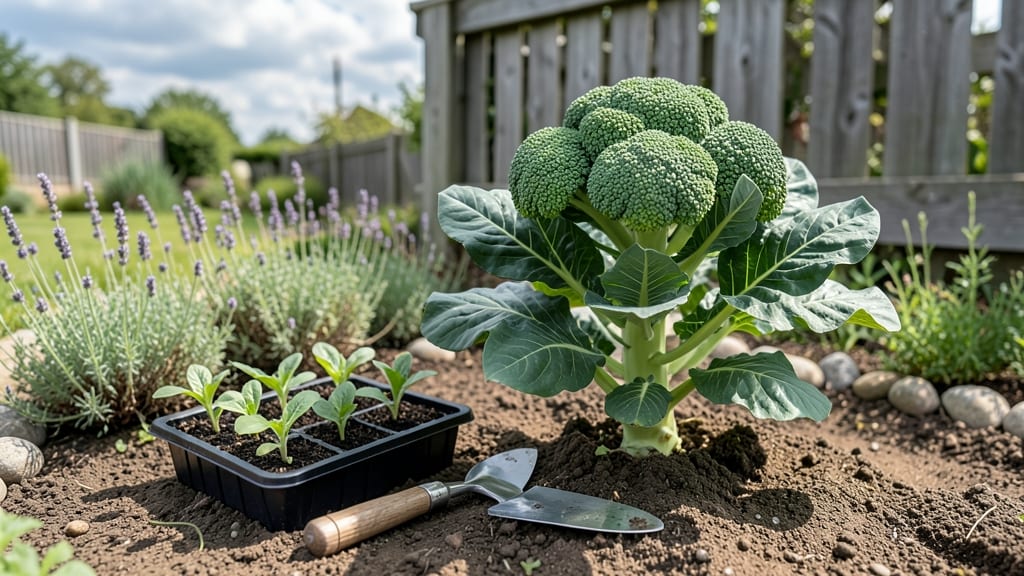
Planting fall crops in Zone 7 between mid-August and early October ensures a bountiful harvest before the first frost hits.
Miss that window, and you’re either staring at stunted seedlings or watching your hard work turn to mush overnight. The difference between a thriving garden and a frost-killed disappointment often comes down to a few weeks of precision timing.
Zone 7’s 180 frost-free days mean you’ve got a narrow but actionable window to get seeds in the ground—whether you’re growing leafy greens, root crops, or brassicas.
Below, I’ll break down the exact weeks before frost to plant each crop, plus how to tweak your schedule based on your local microclimate.
You’ll also discover the top 5 fall crops that perform best in Zone 7, from cold-hardy kale to sweet carrots, and how to stretch your harvest right up to December.

Exact weeks before first frost to plant key fall crops in Zone 7
In Zone 7, where the first frost typically arrives around mid-October, timing your fall crops correctly means the difference between a bountiful harvest and wasted effort. Most gardeners here aim to plant 4-8 weeks before frost, but the exact window depends on the crop's maturity rate.
For example, fast growers like radishes can handle a late start, while slower brassicas need early planting.
To simplify, I’ve broken down planting windows by weeks before frost, using October 15 as the average first frost date. Adjust slightly if your area has an earlier or later frost history.
The key is to ensure crops mature before hard frost (28°F or lower), which can ruin tender plants overnight.
| Crop Type | Weeks Before Frost | Best Planting Window (Zone 7) | Notes |
|---|---|---|---|
| Leafy Greens (Spinach, Lettuce, Kale) | 6-8 weeks | Early August - Mid-September | Sow directly; prefers cooler temps |
| Root Crops (Carrots, Beets, Radishes) | 8-10 weeks | Late July - Early September | Direct sow; avoid late planting (woody roots) |
| Brassicas (Broccoli, Cabbage, Brussels Sprouts) | 10-12 weeks | Late June - Early August | Start indoors; transplant before heat stress |
| Green Onions & Lettuce | 3-4 weeks | Late August - Early October | Fast growers; great for late-season harvests |
| Peas & Fava Beans | 8-10 weeks | Late July - Early September | Sow directly; tolerates light frost |
| Turnips & Collard Greens | 7-9 weeks | Early August - Mid-September | Direct sow; cold-hardy and versatile |
| Garlic & Onions (Sets) | 10-12 weeks | Late September - Early October | Plant sets; overwinters for spring harvest |
For brassicas like broccoli and cabbage, start seeds indoors 8-10 weeks before frost (around late June) and transplant seedlings outdoors 4-6 weeks before frost. These crops need time to establish roots before cooler weather slows growth.
If you miss the window, opt for fast-maturing varieties or extend the season with row covers.
If summer lingers into late August, don’t panic—you can still plant cool-season crops like spinach and radishes. These thrive in 50-60°F soil, so wait until nighttime temperatures drop below 80°F to avoid bolting.
For root crops, prioritize smaller varieties (e.g., Paris Market carrots) that mature in 50-60 days.
One of my favorite tricks for late-season planting is using straw mulch to regulate soil temperature. Spread a 2-inch layer around newly planted seeds to keep roots cool in hot soil and prevent bolting. This works especially well for leafy greens and radishes planted in September.
For Zone 7 gardeners in higher elevations (e.g., mountains), frost can arrive 2-3 weeks earlier. Monitor local frost dates and adjust planting by 1-2 weeks earlier. Conversely, urban areas with heat islands may delay frost by 1 week, giving you a slightly longer window for late crops.
Don’t forget to harden off seedlings before transplanting, especially if you’re starting brassicas indoors. Acclimate them to outdoor conditions over 7-10 days by gradually increasing sunlight exposure. This step is critical for transplant shock prevention and ensures stronger plants ready for fall’s cooler temps.
If you’re unsure about your exact frost date, check the National Weather Service or use a soil thermometer to track temperatures. Aim to plant when soil temps are below 80°F but above 50
How to adjust planting dates based on your Zone 7 microclimate
Zone 7 spans a wide range of microclimates, and your exact location can shift planting dates by 2-4 weeks. Urban areas, mountain slopes, and even south-facing gardens create local variations that matter.
For example, a 1,000-foot elevation gain can delay your first frost by 10-14 days, while pavement in cities traps heat and extends growing seasons.
Don’t rely solely on average frost dates—they’re just starting points. Instead, track soil temperatures and local weather patterns for the past 3 years. I’ve learned that my urban backyard stays warmer than the rural farm 5 miles away, letting me plant broccoli 2 weeks later without risking frost damage.
🌱
If you wait until mid-September to plant spinach or kale, even a light frost can ruin your crop. These cool-season crops need 4-6 weeks to mature—plant them by late August in cooler microclimates or early September in urban heat islands.
Use a soil thermometer to confirm temps are 50-60°F before sowing. If your soil is still warm from summer, delay planting until it cools naturally.
Start by checking your local frost history from sources like Almanac.com or your state agricultural extension. Then adjust for your microclimate:
- Urban areas: Plant 1-2 weeks later due to heat retention.
- Mountain slopes: Plant 1-3 weeks earlier (cooler air settles in valleys).
- South-facing gardens: Extend planting by 1 week (more sunlight warms soil).
For precision, use a soil thermometer—not just air temperature. Most fall crops thrive when soil temps are between 50-60°F. If your soil is still 70°F+ in early September, wait 10-14 days before planting. I test my soil at 6 AM (coolest time) to get the most accurate reading.
Pro tip: Mulch heavily after planting to slow soil warming. A 2-inch layer of straw can keep roots 5-10°F cooler than bare soil, buying you extra days before frost. This is especially critical for leafy greens like lettuce, which bolt in warm soil.
Finally, monitor your local weather forecasts for 10-day outlooks. A sudden cold snap can turn a safe planting window into a disaster. I set a reminder for 2 weeks before my target frost date to check forecasts and adjust if needed.
When in doubt, plant earlier—you can always thin seedlings later.
🌿