
Plants
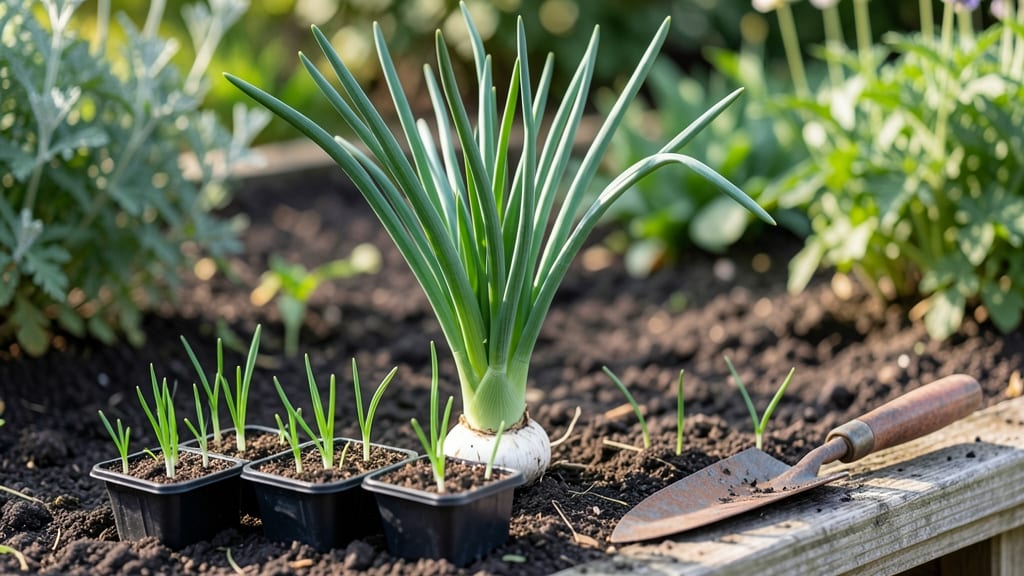
Planting fall onions in Zone 7 between late August and early September is the key to harvesting sweet, full-sized bulbs before winter sets in.
You’ve got about a 6-week window to get this right, and missing it means either tiny green onions or bitter, underdeveloped bulbs. The difference between success and frustration often comes down to soil temperature, frost dates, and whether you’re planting from seed or sets.
In Zone 7, where frost typically arrives by mid-November, timing matters more than you might think. Plant too early, and your onions bolt before forming bulbs. Too late, and they won’t mature before the ground freezes.
The good news? With the right approach, you can adjust for your local microclimate and still pull off a reliable harvest.
Below, I’ll break down the exact planting schedule, soil prep tips, and companion plants that help maximize your yield—so you can enjoy homegrown 🧅 from October through December.

Optimal planting windows for fall onions in Zone 7
In Zone 7, fall onions thrive when planted during two distinct windows: late summer and early fall. The key is aligning your planting with soil temperatures and frost dates to ensure bulbs mature before winter.
For most of Zone 7, this means starting as early as late July or as late as mid-September, depending on your exact microclimate.
Zone 7’s average last frost date falls around November 15, giving you a 120-day growing season for onions. This means you’ll need to plant 8-10 weeks before frost for mature bulbs or 4-6 weeks before frost for smaller green onions.
Missing this window can leave you with stunted bulbs or bitter flavors.
Soil temperatures play a critical role—fall onions prefer soil temps between 50°F and 70°F. If your soil is too hot (above 80°F), seeds may rot or fail to germinate. Conversely, planting too late when soil cools below 50°F slows growth and reduces bulb size.
Here’s the exact breakdown for Zone 7’s two planting windows, including month-by-month guidance:
| Planting Window | Ideal Months | Soil Temp Range | Days to Harvest | Notes |
|---|---|---|---|---|
| Late Summer Window | Late July - Early August | 60°F - 75°F | 90-120 days | Best for large bulbs; plant sets or seeds. |
| Early Fall Window | Mid-August - Mid-September | 50°F - 65°F | 60-90 days | Ideal for green onions; use faster varieties. |
| Critical Deadline | No later than September 20 | Above 50°F | N/A | Planting after this risks small bulbs or frost damage. |
The late summer window (July-August) is ideal for growing large, mature bulbs. Plant onion sets or seeds when soil temperatures are between 60°F and 75°F.
This gives onions enough time to develop before winter sets in. Varieties like ‘Yellow Sweet Spanish’ or ‘Red Baron’ perform well in this window.
For the early fall window (August-September), focus on green onions or smaller bulbs. Soil temperatures should be 50°F to 65°F, and you’ll want to choose faster-maturing varieties like ‘White Sweet Spanish’.
This window is perfect if you missed the late summer planting or want a quick harvest before frost.
If you’re unsure about your soil temperature, use a soil thermometer to check before planting. Aim for 60°F or warmer for seeds and 55°F or warmer for sets. In cooler microclimates within Zone 7, like higher elevations, start planting as early as late June to extend the growing season.
Pro tip: Mulch heavily after planting to retain soil warmth and moisture. Use straw or leaves to protect seedlings from temperature swings. This is especially critical in Zone 7b, where nights can get chilly earlier than in Zone 7a.
Harvest your fall onions before the ground freezes, typically by mid-December in most of Zone 7. Look for yellowing tops or bulbs 1-2 inches wide. Leaving them in the ground too long can lead to bolting or frost damage, ruining your harvest.
🌱
How to adjust planting time for your Zone 7 microclimate
Zone 7 isn’t one-size-fits-all—your urban heat island might feel like Zone 8, while a mountain garden could behave like Zone 6. These microclimates demand precision adjustments to nail your fall onion harvest. Let’s break down how to fine-tune your planting schedule based on your specific conditions.
Start by calculating your frost-free date—not the average, but the real last frost date from your local weather records. Subtract 8-10 weeks for mature bulbs or 4-6 weeks for green onions.
For example, if frost hits November 15, plant by September 15 for bulbs or October 15 for greens. Use a soil thermometer to confirm the ground is 50-60°F before planting.
- 🏙️ Urban Heat Islands: Plant 2 weeks earlier (late July) to avoid summer heat stress. Use shade cloth if temps exceed 90°F.
- ⛰️ High-Altitude Areas: Delay planting by 1-2 weeks (early September) due to cooler soils. Extend season with row covers.
- 🌊 Coastal Regions: Plant 1 week later (mid-September) to avoid salt spray damage. Test soil for pH 6.0-7.0.
- 🌿 Companion Planting: Pair with carrots or lettuce to shade soil and retain moisture. Avoid planting near beans (compete for nutrients).
- ⏰ Soil Temperature Test: Wait until soil reaches 50°F+ at 4" depth. Use a moisture meter to avoid soggy soil.
For urban gardens, the asphalt and concrete create a heat dome that can push your microclimate into Zone 8. Plant late July instead of August to avoid bolting. If your soil stays too hot, mulch with straw to cool roots and retain moisture.
In high-altitude areas, cooler nights slow growth—delay planting until early September and use black plastic mulch to warm the soil.
Coastal gardeners face unique challenges like salt spray and foggy mornings, which can delay soil warming. Test your soil’s pH—coastal areas often have alkaline soil (pH 7.5+), which stunts onion growth.
Amend with sulfur or peat moss to lower pH to 6.0-7.0. Plant mid-September to avoid late-season salt damage from storms.
Extend your harvest by using companion planting. Pair onions with carrots or spinach—their deep roots improve soil aeration, while onions deter pests like carrot flies. Avoid planting near beans or peas, as they compete for nitrogen.
If frost threatens early, cover plants with frost cloth to protect tender tops while allowing bulbs to mature.
Pro tip: Keep a planting journal for 2-3 years to track your microclimate’s quirks. Note when soil hits 50°F, your local frost dates, and how companion plants perform. With these adjustments, you’ll turn Zone 7’s variability into your fall onion advantage. 🧅