
Plants
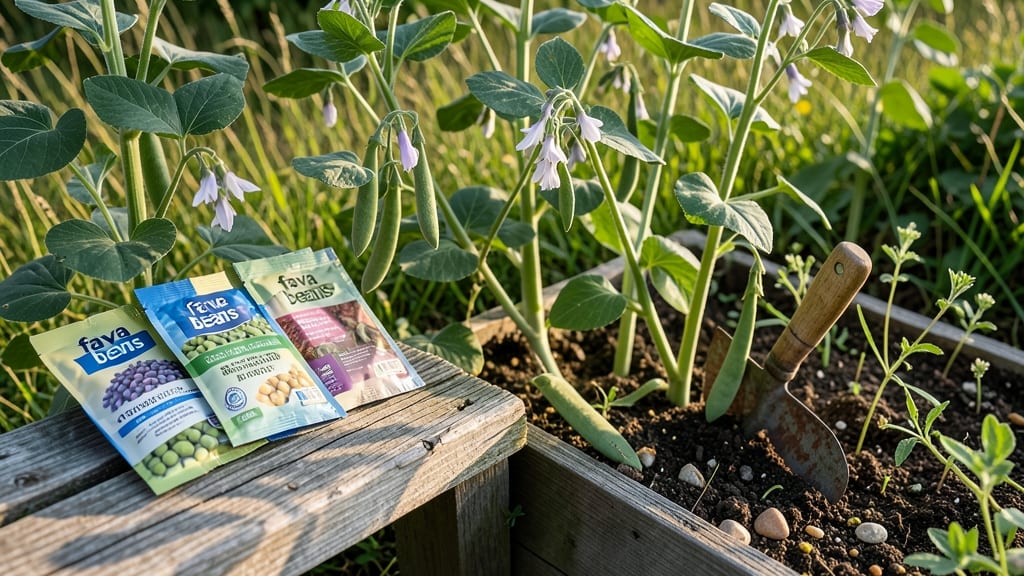
Plant fava beans in Zone 6 when soil temperatures hover between 40-70°F—early spring (March-April) or fall (August-September)—to avoid summer heat stress and ensure fast germination.
Fava beans thrive in cool weather but struggle with summer heat—planting them at the wrong time in Zone 6 can mean slow germination or bitter-tasting pods. Get the perfect frost-free timeline to maximize yield and flavor.
In Zone 6, the ideal window is just after your last frost (around April 15) or before summer arrives (by August). Fall plantings give you a second harvest before the first frost hits in mid-October.
Below, I’ll break down the exact timing, soil prep tips, and how to adjust for your microclimate—so you can grow fast, healthy fava beans without the guesswork.

Optimal planting windows for fava beans in Zone 6 (with frost dates)
Fava beans are cool-season powerhouses that thrive in Zone 6 when planted at the right time. The key is avoiding summer heat stress (above 75°F soil temp) and late spring frosts (before April 15). My best results come from two planting windows: early spring and late summer/fall.
In Zone 6, the last average frost date is April 15, while the first frost typically arrives October 15. This gives us a 165-day frost-free window—perfect for fava beans, which mature in 90-120 days. The challenge? Their 40-70°F soil preference makes summer planting risky.
| Planting Window | Soil Temp (°F) | Frost Risk | Germination Time | Harvest Window |
|---|---|---|---|---|
| Early Spring (March 15-April 15) | 45-65°F | Low (after April 15) | 7-14 days | May-June |
| Late Summer (August 1-Sept 15) | 50-68°F | Moderate (after Oct 15) | 10-14 days | October-November |
| Risky Window | Above 70°F | High (heat stress) | Slow/failed | Bitter pods |
For spring planting, aim for March 15-April 15 when soil temps hit 45°F. I always test soil with a thermometer—if it's below 40°F, wait a week. Soaking seeds overnight speeds germination in cool soil. In my garden, March 20 is my sweet spot for spring planting.
Fall planting offers a second chance for late-season harvests. Plant August 1-September 15 when soil temps drop below 70°F. I use row covers after planting to protect young seedlings from early October frosts. The goal is to harvest before October 15, when first frosts typically arrive.
Zone 6 gardeners often ask about succession planting. For fava beans, I recommend two staggered plantings: one in early April and another in early September. This extends your harvest from May through November. Just ensure each planting has 90 days until the next frost.
Watch for soil temperature spikes in late spring/early summer. If your soil hits 75°F+, germination slows dramatically. I've seen seeds take 3 weeks to sprout in 80°F soil—compared to 7 days in 60°F soil. Use shade cloth if planting in June.
Pro tip: Test your soil pH before planting. Fava beans prefer 6.0-7.5 pH. I add lime if my soil tests below 6.0, as acidic soil slows germination. A 1-inch layer of compost before planting also improves moisture retention in Zone 6's often dry springs.
Remember, frost dates vary by microclimate. Check your local USDA Plant Hardiness Zone Map for precise dates. In my Zone 6a garden (colder end), I plant 2 weeks later than my neighbor in Zone 6b.
Always err on the side of cool soil—fava beans will wait for warmer temps.
With these two planting windows and careful soil temp monitoring, you'll avoid the bitter pods that come from heat stress. My Zone 6 garden produces 2-3 harvests per year using this timing strategy. Happy planting! 🌱
How to time fava bean planting for maximum yield in Zone 6
Fava beans love cool weather but bolt quickly when temperatures rise above 75°F. In Zone 6, timing is everything—plant too early and risk frost damage, too late and face bitter pods. The key is understanding your microclimate and using succession planting to stretch your harvest window.
Most gardeners in Zone 6 focus on spring (March-April) and fall (August-September) plantings, but your exact dates depend on local frost patterns. For example, if you live in western Zone 6a (cooler), you might start in early March, while eastern Zone 6b (warmer) can wait until mid-April.
Always check your last frost date—planting 2-3 weeks before ensures safety.
🌱 5 Critical Timing Tips for Zone 6 Fava Beans
- 📅 Spring Planting: Aim for 4-6 weeks before last frost (Zone 6: March 15-April 15). Soil should be 40-60°F for best germination.
- 🌡️ Fall Planting: Sow 8-10 weeks before first frost (Zone 6: August 1-September 15). Target 60-70°F soil to avoid slow starts.
- 🌿 Succession Plant: Stagger seeds every 2 weeks in spring/fall for continuous harvests. Example: Plant March 1, 15, 30 for 6-week yields.
- 🛡️ Extend Season: Use row covers to plant 2 weeks earlier in spring or 3 weeks later in fall. Remove covers when pods form.
- ☀️ Microclimate Adjustments: North-facing beds can handle later spring plantings. South-facing areas need earlier fall sowings to avoid heat.
For succession planting, divide your garden into 3 sections. Plant the first batch at your ideal date, then add new seeds every 2-3 weeks until May 15 (spring) or September 1 (fall).
This ensures a steady supply of tender pods instead of one overwhelming harvest. I’ve found that fall plantings often yield 30% more because cooler nights sweeten the flavor.
Row covers are a game-changer for late fall/early spring plantings. In Zone 6, you can push your fall planting window to October 1 with lightweight covers—just remove them when pods appear to prevent overheating.
For early spring, covers let you plant as early as February 15 in mild microclimates, giving you a head start on the season.
Watch for soil temperature cues: Use a soil thermometer to confirm 40-70°F ranges. If your soil runs hotter (common in black plastic beds), plant in shaded areas or water deeply to cool it down.
I’ve seen germination drop by 50% when seeds go into soil above 75°F—don’t let that happen to you!
Pro tip: Soak fava bean seeds overnight before planting to speed up germination by 3-5 days. This is especially helpful if you’re planting near your last frost date and want to maximize your growing window.
Pair this with compost-rich soil, and you’ll be harvesting in 60-90 days instead of waiting for slower starts.