
Flowers
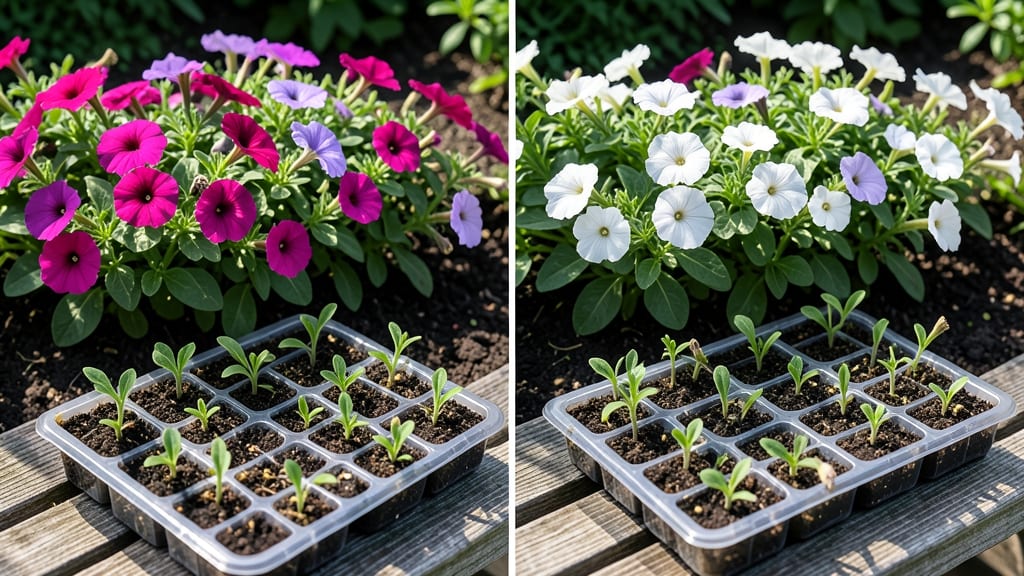
Planting flowers in Zone 8 at the right time means the difference between vibrant blooms all season and wilted disappointment.
Timing is everything in gardening—especially in Zone 8, where warm winters and long summers create a narrow window for planting 🌸 without risking frost damage or stunted growth.
Get it wrong, and you’ll end up with leggy seedlings or flowers that bolt before they even open. But nail the schedule, and you’ll enjoy a garden that bursts into color from spring through fall.
Below, I’ll break down the exact planting windows for annuals, perennials, and bulbs, plus regional tweaks for Southern California vs. Tennessee, so you can start strong and keep blooming all season.

Zone 8 frost dates and ideal planting months for annual flowers
In Zone 8, where winters are mild and summers stretch long, understanding your last frost date (typically around January 15) and first frost date (usually December 15) is critical for planting annual flowers successfully.
These dates create a 210-day frost-free window, offering a unique opportunity to grow vibrant blooms year-round with the right timing.
Annual flowers in Zone 8 fall into two broad categories: cool-season bloomers and warm-season favorites. Each group thrives in different temperature ranges, so planting them at the wrong time can lead to stunted growth, poor flowering, or even death.
For example, pansies and snapdragons love cooler weather, while marigolds and petunias crave warmth. Let’s break down the best planting windows for each.
Here’s a quick reference for your Zone 8 planting calendar, tailored to maximize bloom potential while avoiding frost damage or heat stress. Use this as your guide to plan your garden layout and succession plantings for continuous color.
| Flower Type | Ideal Planting Window | Last Frost Risk | Bloom Season | Notes |
|---|---|---|---|---|
| Cool-Season Annuals | September–October (fall) or February–March (spring) | Low (fall) / None (spring) | Winter–early spring | Plant 6–8 weeks before first frost for fall blooms. |
| Warm-Season Annuals | April–May (after last frost) | None (spring/summer) | Summer–fall | Wait until soil temps reach 60°F for best germination. |
| Heat-Tolerant Annuals | March–April or August–September | Low (fall) / None (spring) | Late spring–fall | Examples: Zinnias, Sunflowers, Portulaca. |
| Biennial Flowers | August–September (for spring blooms) | Moderate (fall) | Spring of next year | Plant seeds in late summer for overwintering. |
| Tender Perennials | March–April or September–October | Low (fall) / None (spring) | Spring–fall | Examples: Lantana, Salvia, Gaillardia. |
For cool-season annuals like pansies, sweet peas, and calendulas, aim to plant in late summer (August–September) for fall blooms or February–March for spring color. These flowers thrive in cooler temperatures and can often handle light frosts, making them ideal for Zone 8’s transitional seasons.
Start seeds indoors 4–6 weeks before your target planting date to give them a head start.
When it comes to warm-season annuals, such as petunias, geraniums, and marigolds, patience is key. These plants won’t tolerate frost, so wait until after your last frost date (mid-March to early April) to plant them outdoors.
If you’re eager to get a jumpstart, sow seeds indoors in February and transplant seedlings once temperatures stabilize. Always harden off seedlings for 7–10 days before moving them outside to avoid shock.
Don’t overlook heat-tolerant annuals like zinnias, sunflowers, and portulaca, which can handle Zone 8’s intense summer heat. These can be planted as early as March or even in late summer (August–September) for a second flush of blooms before winter.
They’re perfect for extending your garden’s season and attracting pollinators like bees and butterflies.
If you’re growing biennial flowers like
Best flowers to plant in Zone 8 by seasonal timeline
Zone 8 offers gardeners a unique advantage with its mild winters and extended growing season, but knowing when to plant flowers is key to avoiding frost damage and maximizing blooms. Unlike colder zones, you can plant both spring and fall flowers, but timing matters—especially for heat-sensitive varieties.
I’ve curated this seasonal guide to help you plant the right flowers at the right time for a year-round garden.
Spring is prime time for cool-season annuals like pansies and snapdragons, while summer thrives with heat-lovers such as zinnias and sunflowers. Fall planting lets you sneak in bulbs and perennials before the first frost.
Let’s break down the best flowers for each season, including their sunlight needs, planting windows, and care tips to keep them thriving.
Cool-season flowers like pansies, snapdragons, and calendulas thrive when planted 4–6 weeks before last frost. Aim for full sun to partial shade and keep soil moist until established.
Heat-loving zinnias, marigolds, and cosmos should go in after the last frost. Plant in full sun and water deeply 2–3 times per week during dry spells.
Plant bulbs like tulips, perennials, and cool-season veggie flowers 6–8 weeks before first frost. Choose partial shade spots to protect from late-season heat.
Lavender, salvia, and Russian sage handle Zone 8’s climate year-round. Plant in full sun and prune lightly in early spring to encourage new growth.
For spring bloomers, start seeds indoors in late winter or direct-sow pansies and violas as soon as soil temperatures rise above 40°F. These flowers tolerate light frosts and will reward you with early color.
In contrast, summer annuals like geraniums and portulaca need warm soil—wait until mid-April to avoid cold snaps that can stunt growth.
Fall is my favorite time to plant bulbs for spring blooms. Tulips and daffodils need 6–8 weeks of chill time, so aim for late September to early October.
Pair them with fall-blooming asters and chrysanthemums for seasonal interest. Mulch heavily after planting to insulate roots from winter temperature swings.
Don’t overlook succession planting—a simple trick to extend your bloom time. After harvesting early zinnias in June, replant more seeds in late summer for a second flush of color before frost. The same goes for cosmos and sunflowers, which self-seed easily if left to dry on the stem.
Pro tip: Use shade cloth for summer plantings in hotter microclimates (like Southern California) to protect delicate blooms. And always check your local frost dates—they can vary by 2–4 weeks even within Zone 8. Happy planting! 🌸