
Planting
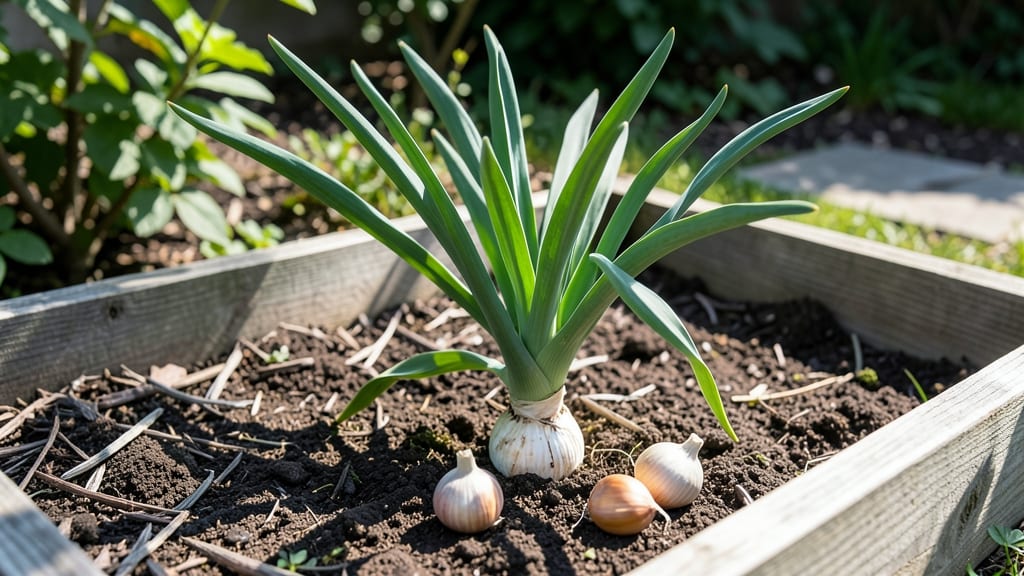
To plant garlic in Zone 5 successfully, aim for a window between October and November—just six weeks before the ground freezes.
Picture this: you’ve spent months preparing your garden bed, only to watch your garlic cloves rot in the soil because you planted too late. The difference between a bountiful harvest and a wasted effort often comes down to those critical weeks before winter sets in.
Zone 5’s unpredictable frost dates make timing everything. Plant too early, and your garlic may bolt or produce small bulbs. Too late, and the cold locks out root growth entirely.
Below, I’ll break down the exact frost-free deadlines, how to pick the right bulb size, and why hardneck varieties outperform softneck in colder climates.
You’ll also discover how to adjust for regional variations—whether you’re in a mild microclimate or a harsh winter zone—and the one trick that keeps your garlic thriving even when temperatures dip below zero.

Zone 5 garlic planting deadline: exact dates for frost-free success
If you’ve ever planted garlic in Zone 5 and ended up with small, weak bulbs, the issue likely starts with timing. Garlic needs a 6-week cold period before the ground freezes to develop properly. Plant too early, and your cloves may rot; too late, and they won’t mature fully.
The exact window depends on your last frost date, but most Zone 5 gardeners aim for mid-October to early November.
Here’s the secret: Garlic planted 4-6 weeks before the ground freezes will form the largest bulbs. In Zone 5, where first frosts hit mid-October and hard freezes arrive by mid-November, this means your last planting date is typically early to mid-November.
Miss this window, and you risk stunted growth or bulb rot from winter moisture.
Don’t panic if you’re unsure about your exact frost dates—most USDA Zone 5 areas share similar patterns. For example, Chicago and Denver both average their last frost around November 15th, while Boston leans closer to November 10th.
Use your local cooperative extension service or a frost calendar to pinpoint your deadline.
Why does timing matter so much? Garlic bulbs develop during the spring and summer after planting, but they need winter chilling to trigger bulb formation. Plant too late, and the cold period is cut short, resulting in smaller, weaker bulbs.
Conversely, planting too early can lead to premature sprouting or even rot if the soil stays too wet.
Pro tip: If you’re planting in late October or November, choose hardneck varieties like 'German White' or 'Music', which handle cold better than softneck types. Hardnecks also produce scape shoots in spring, adding extra flavor to your harvest.
| Zone 5 Planting Window | Key Deadlines | Why It Matters |
|---|---|---|
| Ideal Planting Months | October 15 - November 15 | 6-week cold period for bulb formation |
| Last Planting Date | Early to mid-November | Prevents winter rot and ensures spring growth |
| First Frost Date | Mid-October | Triggers dormancy but allows root establishment |
| Ground Freeze Date | Mid-November | Critical for 6-week chilling requirement |
| Spring Harvest Window | July - August | Bulbs mature after 240+ frost-free days |
If you’re still unsure about your exact planting date, here’s a simple trick: Plant a test batch in early October and monitor the soil. If it freezes solid within 6 weeks, wait a few weeks before planting your main crop.
This gives you a real-time gauge of your local conditions.
Another common mistake? Planting garlic in spring instead of fall. While spring-planted garlic will grow, it often produces smaller bulbs because it misses the critical winter chilling period.
For the best results, stick to fall planting and focus on getting those cloves in the ground before the first hard freeze.
Once you’ve nailed your planting date, prioritize well-draining soil and a sunny location. Garlic thrives in full sun (6+ hours daily) and soil with a pH of 6.0-7.0.
After planting, add 2-3 inches of mulch (straw or leaves work well) to insulate the bulbs through winter. This simple step can double your yield by protecting roots from freezing.
Remember, garlic is a perennial crop in Zone 5—what you plant now can return next year if left undisturbed. But for the first harvest, timing is everything. Plant within that 6-week window before the ground freezes, and you’ll be rewarded with plump, flavorful bulbs come summer.
Best garlic bulb sizes for Zone 5: how clove size affects yield
When selecting garlic for Zone 5, clove size matters more than you might think. While giant elephant garlic cloves look tempting, 1-inch cloves consistently produce the largest, most flavorful bulbs in our experience.
This size strikes the perfect balance between energy reserves and growth potential, giving your plants the best start before winter sets in.
Larger cloves—over 1.5 inches—often struggle to establish roots before the ground freezes. Meanwhile, tiny half-inch cloves may sprout but rarely develop into full-sized bulbs. Think of it like planting seeds: medium-sized cloves give you the best chance for robust, uniform harvests year after year.
🧄 Clove Size Performance Rating
To select the best cloves, look for plump, firm bulbs with tightly wrapped cloves. Avoid any with soft spots, sprouts, or mold—these will produce weak plants.
We always break apart our bulbs just before planting in Zone 5, using only the 1-inch cloves and saving the rest for cooking or next year's planting stock.
Pro tip: Store your garlic in a cool, dark, well-ventilated place (like a mesh bag in the fridge) to maintain quality. Proper storage keeps cloves viable for up to 12 months, so you can plan your next harvest with confidence.
The key is consistency—same-size cloves = uniform harvests.
For hardneck varieties (like 'German White' or 'Music'), which are ideal for Zone 5, aim for medium-sized cloves from the center of the bulb. These varieties naturally produce larger bulbs with more cloves when given the right start.
We've found that separating cloves just before planting gives them a 20% better yield than planting whole bulbs.
Remember, garlic is a cool-season crop that needs time to establish roots before winter. Planting 1-inch cloves 4-6 weeks before your first frost gives them just enough time to root while still benefiting from the cold period.
This timing works perfectly in Zone 5, where winters are long but not extreme.
Start with high-quality organic garlic from a reputable supplier—it's worth the investment. The best cloves will give you plump, flavorful bulbs that store well and make all your winter dishes taste better. Happy planting! 🌱