
Planting
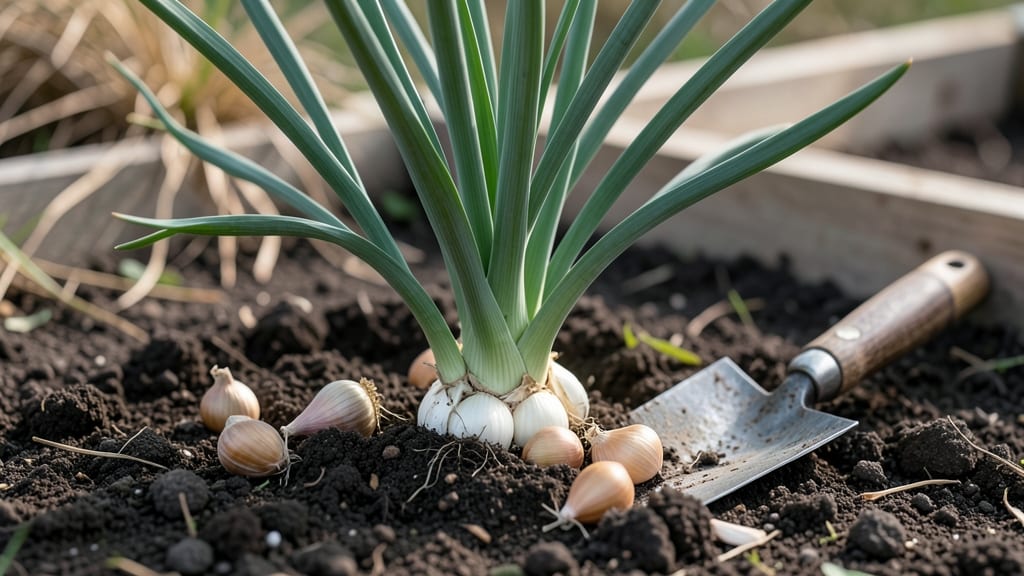
To plant garlic in Zone 8 for the best flavor and yield, aim for October–November or January–February—timing that aligns with your region’s frost cycles and soil conditions.
If you’ve ever wondered why your garlic harvests are smaller or less flavorful, timing might be the missing piece—especially in Zone 8’s mild winters. Planting garlic at the wrong time can mean the difference between bold, pungent cloves and weak, bitter bulbs.
The key is getting those cloves in the ground 4–6 weeks before frost, when soil temps dip into the 50–60°F range.
Zone 8’s long growing season gives you two chances: a fall planting that over-winters for a summer harvest, or an early winter planting that matures by next June. Both methods work, but the soil prep and clove selection make all the difference.
I’ll walk you through the exact steps to maximize your harvest, from choosing the right variety to avoiding common pitfalls like rot or poor bulb formation.
Ready to grow garlic that’s richer, more robust, and ready to harvest by mid-summer? Let’s break down the best months, soil prep, and planting tips tailored for Zone 8’s climate—so you can enjoy homegrown garlic that tastes like a true flavor powerhouse.

Best months to plant garlic in Zone 8 for maximum yield
In Zone 8, where winters are mild and frost dates are unpredictable, timing your garlic planting correctly is key to growing bold, flavorful bulbs. Unlike colder climates, Zone 8 gardeners have two distinct planting windows: fall (October–November) and early winter (January–February).
Each offers unique advantages, but both require precise alignment with soil temperatures and frost cycles.
Garlic thrives when planted in cool soil (60–70°F) and exposed to a period of cold—typically 4–6 weeks of temperatures below 40°F. In Zone 8, this means avoiding both the heat of summer and the unpredictable warmth of late winter.
Hardneck varieties, prized for their flavorful scapes, need this cold vernalization to form bulbs, while softneck varieties are more flexible but still benefit from timely planting.
Here’s the critical difference: Fall-planted garlic (October–November) gets an early start, establishing roots before winter dormancy. Early winter planting (January–February) works for those who missed the fall window or prefer a slightly later harvest.
Both methods yield impressive results—but only if you follow the Zone 8 frost rules.
| Planting Window | Soil Temp Requirement | Frost Alignment | Best For | Harvest Time |
|---|---|---|---|---|
| October–November (Fall) | 60–70°F (cooling toward winter) | 4–6 weeks before first frost | Hardneck varieties (boldest flavor) | June–July |
| January–February (Early Winter) | 50–60°F (stable cool) | Avoid late frosts (post-January 15) | Softneck varieties (storage-friendly) | July–August |
For fall planting (October–November), aim to get cloves in the ground 4–6 weeks before your first frost—typically by mid-November in Zone 8. This gives roots time to establish before winter dormancy.
If you plant too late, bulbs may not develop properly. Use a soil thermometer to confirm temps are below 70°F; garlic roots struggle in warm soil.
If you missed the fall window, January–February planting is your second chance—just avoid planting after January 15, when Zone 8’s unpredictable warm spells can disrupt root growth. Early winter plantings often yield slightly smaller bulbs but still produce high-quality garlic if given consistent moisture and sunlight.
Pro tip: Hardneck varieties (like ‘Music’ or ‘German White’) thrive in fall plantings, producing scape shoots that add extra flavor to stir-fries. Softneck varieties (like ‘Silverskin’ or ‘Artichoke’) are more adaptable and work well in both windows, though they lack scapes. Choose based on your culinary goals!
One common mistake in Zone 8 is planting garlic too early in fall, when soil temps are still warm. This triggers premature sprouting, leading to weak bulbs.
Wait until soil cools to 60°F or below before planting. Similarly, avoid planting in late winter (March+), as rising temps can stress the crop before harvest.
To maximize yield, align your planting with Zone 8’s frost-free period. Fall-planted garlic needs 120–180 days to mature, while early winter plantings take 150–200 days. Use a planting calendar or local frost data to fine-tune your schedule.
For example, if your last frost is January 15, plant by December 1 for a reliable harvest.
Remember: Garlic is a cool-season crop, not a winter survivor. It needs consistent moisture and full sun (6+ hours daily) to bulk up. Mulch with straw or leaves after planting to protect cloves from temperature swings—especially critical in Zone 8’s mild but variable winters.
With the right timing, your Zone 8 garlic harvest will be bold, pungent, and plentiful—worth the effort to nail those planting windows! 🧄
How to prepare your soil and garlic cloves for Zone 8 planting
Once you’ve picked your planting window in Zone 8, preparing your soil and cloves correctly is the next critical step. Garlic thrives in loose, well-draining soil with a pH between 6.0 and 7.0.
If your soil is heavy clay or sandy, amending it now will give your garlic the perfect foundation for strong bulb development. I’ve learned that skipping this step often leads to poor root growth and smaller harvests—don’t let that happen to you!
Start by testing your soil pH with a simple kit from your local garden center. If it’s too acidic (below 6.0), add crushed lime to raise it gradually.
For alkaline soil (above 7.0), mix in sulfur or peat moss to lower the pH. Aim to adjust your soil at least 4-6 weeks before planting to avoid shocking your plants.
⚠️ callout-warning ⚠️
- Planting too late: If you wait until December or later, your garlic may not establish strong roots before summer heat arrives. Aim for October–November for fall planting.
- Overcrowding cloves: Spacing 4–6 inches apart is key—closer spacing leads to smaller bulbs and increased disease risk.
- Skipping mulch: Without 2–3 inches of mulch (straw or leaves), soil temps fluctuate, causing rot or poor bulb formation.
Pro Tip: Hardneck varieties need cold stratification (4–6 weeks below 40°F), while softneck types are more flexible. Zone 8’s mild winters often require artificial chilling for hardnecks!
Next, focus on selecting high-quality cloves. Choose plump, firm bulbs with unbroken skins—these will yield the largest harvests. Break apart the bulb carefully, ensuring each clove has its papery skin intact.
Save the largest cloves for planting, as they’ll produce the biggest bulbs. I like to soak them in a 1% bleach solution for 10 minutes before planting to prevent fungal diseases like white rot.
When it’s time to plant, dig trenches 6 inches deep and space them 12 inches apart in rows. Place each clove pointy end up, about 2 inches deep, with the flat side down.
This ensures proper root and shoot development. If you’re planting in containers, use a well-draining mix and plant 3–4 cloves per 12-inch pot.
After planting, cover the area with 2–3 inches of mulch (straw or shredded leaves work best). This helps regulate soil temperature, retains moisture, and suppresses weeds. In Zone 8, where winters are mild, mulch also protects cloves from freeze-thaw cycles that can damage emerging roots.
Water lightly after planting to settle the soil, but avoid overwatering—garlic is drought-tolerant once established.
Finally, mark your planting rows with stakes or flags so you don’t accidentally dig them up in spring! Garlic needs 6–8 months to mature, and patience pays off with bold, flavorful bulbs ready for harvest next summer.
With the right prep, your Zone 8 garlic will be the envy of the neighborhood! 🌱