
Plants
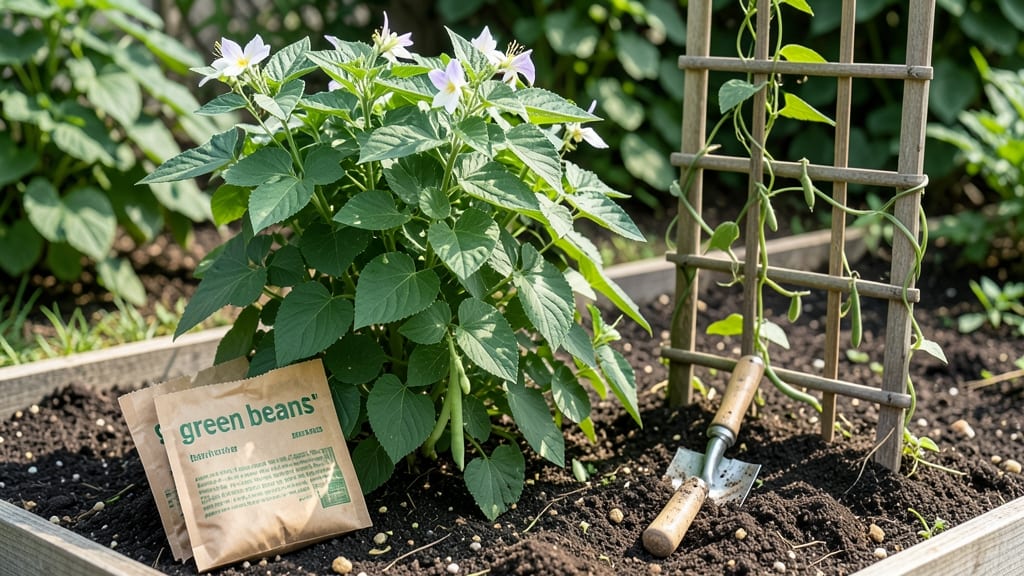
To plant green beans in Zone 9, aim for late winter through early spring or late summer for a fall harvest—timing avoids summer’s brutal heat while aligning with your area’s frost-free growing window.
I’ve learned the hard way that planting too early in Zone 9’s mild winters can leave your 🌱 green beans struggling in the heat before they even mature. The key? Start seeds indoors in late February or direct-sow in March, then repeat in August for a second crop.
This isn’t just about avoiding heat stress—it’s about maximizing flavor and yield. Zone 9’s long growing season means you can stretch harvests from spring through fall, but only if you plant at the right moment when soil temps hit 60°F and stay there.
Below, I’ll break down the exact planting windows by variety, how to adjust for microclimates, and pro tips to keep your beans producing all season long—no guesswork, just bountiful harvests.

Optimal green bean planting windows in Zone 9 by variety type
In Zone 9, where frost is rare but summer heat can be intense, timing your green bean planting is key to avoiding stress and maximizing yields. Unlike cooler zones, you have two prime windows—early summer and late summer—to grow both bush beans and pole beans.
Each variety thrives in different conditions, so let’s break down the best times to plant for a continuous harvest.
Bush beans (Phaseolus vulgaris) are perfect for early summer planting, while pole beans (Phaseolus coccineus or Phaseolus vulgaris varieties) excel in late summer when temperatures cool slightly.
The goal? Stagger your plantings to enjoy fresh beans from June through October without gaps. Let’s dive into the exact frost-free schedule tailored for Zone 9’s unique climate.
| Variety Type | Best Planting Window | Soil Temp Requirement | Days to Harvest | Notes |
|---|---|---|---|---|
| Bush Beans | Late February - Early April | 60°F+ | 50-60 days | Compact, great for small gardens |
| Pole Beans | Late July - Early September | 65°F+ | 60-70 days | Vining, needs trellis |
| Bush Beans | Late August - Early October | 60°F+ | 50-60 days | Fall harvest before heat returns |
| Pole Beans | Mid-March - Early April | 55°F+ | 60-70 days | Early harvest before summer heat |
For bush beans, your first planting should happen in late February to early April when soil temperatures consistently reach 60°F. This timing ensures your plants mature before summer’s peak heat arrives.
If you’re growing ‘Blue Lake’ or ‘Contender’ varieties, aim for March 15th as your target date—this gives them 60 days to produce before temperatures climb above 90°F, which stresses plants.
Pole beans, on the other hand, are more forgiving with heat and thrive when planted in late July to early September. Varieties like ‘Kentucky Wonder’ or ‘Rattlesnake’ can handle the Zone 9 summer better than bush beans, producing pods well into October.
The key is to plant them after the monsoon rains (if applicable) or when you’ve established a drip irrigation system to maintain moisture.
Don’t stop there! A second planting of bush beans in late August to early October will give you a fall harvest just as the weather cools. This strategy extends your harvest window by 3-4 months, ensuring you enjoy fresh green beans long after summer’s end.
Just be sure to choose heat-tolerant varieties like ‘Provider’ or ‘Tendergreen’, which handle the transition from summer to fall better than others.
If you’re new to growing pole beans, start them in mid-March for an early harvest. While this might seem counterintuitive (planting in spring for a summer crop), it works because pole beans grow faster in cooler weather and establish strong roots before the heat sets in.
Use a trellis or sturdy fence to support their vines, which can reach 6-8 feet tall, maximizing your garden space.
Pro tip: Monitor your soil temperature with a soil thermometer—green beans won’t germinate well below 60°F. In Zone 9
How to adjust planting dates for Zone 9’s microclimates and soil temps
Zone 9’s warm climate makes green beans a fantastic choice, but heat stress and microclimates can turn your dream harvest into a struggle. Unlike cooler zones, summer’s extreme heat (often exceeding 95°F) can shock young plants, slowing growth or causing bolt.
The key? Adjust planting dates based on soil temperatures and local heat patterns—not just calendar months.
Most gardeners in Zone 9 focus on spring planting (February-March), but this misses the fall harvest window (September-October). The trick is planting when soil temps stay between 60-70°F—ideal for germination.
Use a soil thermometer to confirm: if temps dip below 60°F, wait 1-2 weeks. This small adjustment prevents slow germination or seed rot.
⚠️ callout warning ⚠️
⚠️ Avoid Summer Planting Without Shade!
Planting green beans in June-August without shade cloth (30-50% coverage) risks heat stress. Young plants wilt, pods develop bitter flavors, and yields drop by 40-60%. If you must summer-plant, use black plastic mulch to raise soil temps 5-10°F and provide afternoon shade.
Microclimates in Zone 9 can shift planting windows by 2-4 weeks. For example, coastal areas (like San Diego) stay cooler longer, allowing earlier spring plantings (late January). Meanwhile, inland valleys (e.g., Phoenix) may need delayed plantings until mid-March to escape late-winter heatwaves.
Observe your garden’s sun exposure: south-facing beds warm faster than north-facing ones.
For pole beans, which take 60+ days to mature, aim to plant in early September for a fall harvest before temps drop below 55°F. Bush beans (ready in 50-55 days) can handle slightly later plantings—try mid-Septemberdaylength.
Shorter days trigger earlier flowering, so succession plant every 2 weeks for continuous pods.
Pro tip: Use shade cloth or row covers to protect seedlings during heatwaves (common in Zone 9’s May-June). Even 30% shade reduces soil temps by 10°F, improving germination rates.
Pair this with drip irrigation (set to run early morning) to keep roots cool. Avoid overhead watering—it increases fungal risks in humid Zone 9 summers.
Test your soil’s moisture retention before planting. Sandy soils dry out faster, so add 2-3 inches of compost to hold moisture. In clay-heavy areas, mix in perlite to improve drainage.
Mulch with straw to maintain even soil temps and reduce watering needs. With these adjustments, you’ll beat Zone 9’s heat and enjoy sweet, tender beans from spring through fall. 🌱