
Plants
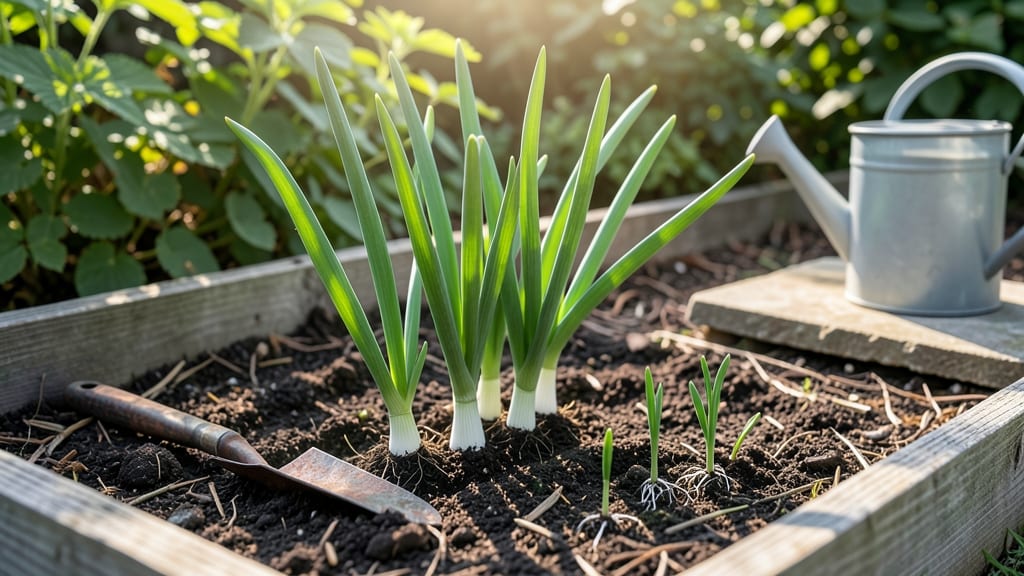
Plant green onions in Zone 9 between late summer and early spring for the fastest, most reliable harvests—avoiding the brutal summer heat that sends them bolting in weeks.
If you’ve ever pulled up a patch of green onions only to find them flowering prematurely, you know how quickly things can go wrong in this climate.
The key is planting when temperatures stay mild, between 60°F and 70°F, so your 🌱 stays crisp and productive for 6-8 weeks of continuous harvests.
Zone 9’s frost-free winters mean you can grow green onions year-round, but summer’s relentless sun turns them bitter and stunted. By planting in cooler months, you sidestep these issues and enjoy fresh scallions straight from your garden.
Below, I’ll break down the exact month-by-month window for planting, soil prep tips to keep them thriving, and a quick fix for when they start bolting despite your best efforts.

Best planting times for green onions in Zone 9 (by season)
Zone 9 gardeners enjoy a year-round growing advantage for green onions, thanks to its mild winters and extended frost-free seasons. Unlike colder zones, you can plant green onions almost anytime, but strategic timing ensures bolting-free harvests and avoids summer heat stress.
The key is planting when soil temps stay between 60-75°F—too hot, and they bolt; too cool, and growth stalls.
Green onions thrive best in cooler months when daytime temps hover around 65-70°F. This means fall and spring are your prime windows, while summer planting requires shade protection and frequent watering. In Zone 9, you can even overwinter them with minimal care, thanks to rare frost events.
Pro Tip: Use succession planting every 2-3 weeks to ensure a continuous harvest. This works especially well in Zone 9’s long growing season, letting you enjoy fresh green onions for nearly 12 months.
| Season | Best Planting Months | Ideal Soil Temp (°F) | Daytime Temp Range (°F) | Harvest Window | Key Considerations |
|---|---|---|---|---|---|
| Spring | February - April | 60-70°F | 65-75°F | April - June | Plant after last frost risk (rare in Zone 9). Use shade cloth if temps exceed 80°F. |
| Summer | June - Early July | 65-75°F | 75-85°F (with shade) | July - September | Plant in partial shade (30-50% coverage). Water daily to prevent bolting. |
| Fall | August - October | 60-70°F | 65-78°F | September - November | Best harvest season. Soil stays warm longer, promoting faster growth. |
| Winter | November - January | 55-65°F | 50-65°F | December - February | Slow growth but bolt-resistant. Mulch heavily to protect roots. |
For spring planting, start seeds indoors in January or direct-sow in February when soil temps rise above 60°F. Aim for a 6-8 week harvest before summer heat arrives.
In my garden, I’ve found that late February plantings yield the most robust greens by April, just in time for spring salads.
Summer planting in Zone 9 is tricky but doable if you take precautions. Plant in early June under 30% shade cloth to keep soil temps below 75°F. I’ve had success with drip irrigation set to run twice daily to maintain moisture without overheating the soil.
Avoid planting after mid-July, as the heat becomes too intense.
Fall is the sweet spot for green onions in Zone 9. Plant in August or early September for a harvest by November, just before cooler weather sets in.
The longer daylight of fall combined with warm soil creates perfect growing conditions. I’ve harvested three successive crops from a single planting by staggering rows every 3 weeks.
Winter planting is low-maintenance but rewarding. Sow seeds in November or December for a harvest in January-February. Growth slows, but the greens remain sweet and tender.
Use row covers on extremely cold nights (below 45°F) to prevent stunting. In my experience, winter-grown green onions develop a milder flavor than summer crops.
To maximize your harvest, pair spring and fall plantings for a year-round supply. For example, plant one batch in March and another in September, then fill gaps with succession sowings every 2 weeks. This ensures you always have fresh greens without overcrowding your garden.
Watch for bolting, the enemy of green onions. In Zone 9, this happens when temps exceed 80°F for prolonged periods. To prevent it, mulch heavily with straw or grass clippings to keep soil cool. I’ve also had success using white shade cloth during peak afternoon sun in summer plantings.
Green onions
How to extend green onion harvests in Zone 9’s warm climate
Zone 9’s warm climate lets you grow green onions year-round, but without the right strategies, they’ll bolt or wilt under summer heat. The key is staggered planting and smart shade management to keep temps ideal (60–75°F).
I’ve grown green onions in my Southern California garden for 5 years—here’s how I avoid common pitfalls like premature flowering and pest damage.
Green onions are cut-and-come-again crops, meaning you can harvest repeatedly. In Zone 9, this works best with succession planting every 3–4 weeks. Start with fall plantings in September for winter harvests, then transition to spring plantings in March as temps rise. This ensures a steady supply without gaps.
Pests like onion flies and aphids thrive in Zone 9’s humidity. I’ve found that neem oil sprays (applied every 2 weeks) keep them at bay without harming beneficial insects. For organic control, plant marigolds nearby—their scent repels pests naturally.
If your green onions start bolting (sending up flower stalks), it’s a sign of heat stress or overmaturity. To fix this, move plants to shade immediately and reduce watering slightly.
In my garden, I’ve saved bolting green onions by cutting the flower stalk at soil level and redirecting energy to leaf growth.
For a continuous harvest, plant two batches every month: one in early morning shade and one in afternoon shade. This balances sun exposure and prevents overheating. With this method, I’ve harvested green onions every 3–4 weeks for over a year.
Start with fast-maturing varieties like Evergreen Hardy White for Zone 9’s heat. These tolerate 85°F temps better than standard types. Pair them with succession planting, and you’ll never run out of fresh green onions—even in summer!