
Plants
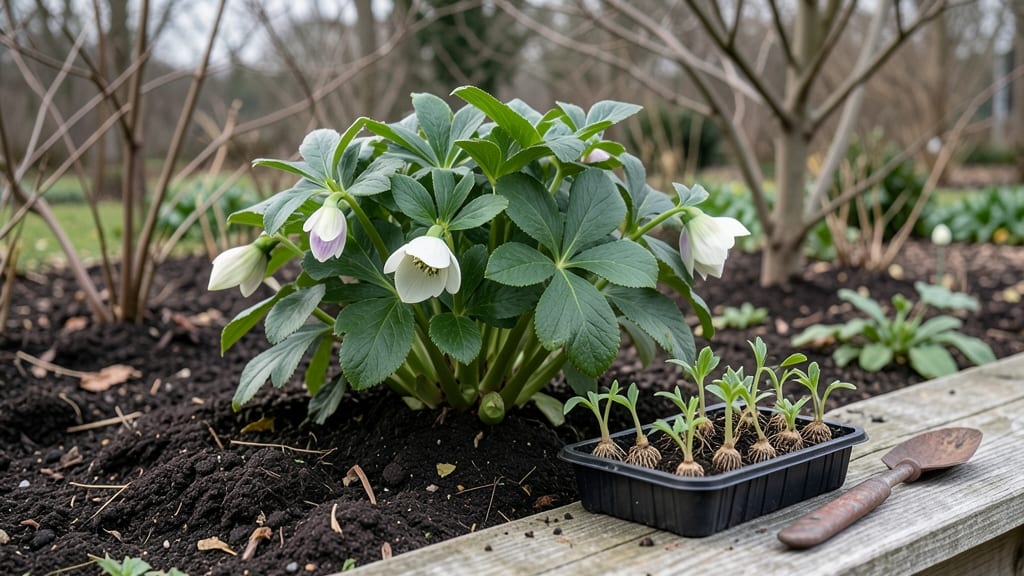
Planting hellebores in Zone 5 during fall or early spring unlocks their full frost-resistant beauty, ensuring those 🌸 blooms arrive before spring rivals even stir.
You’ve probably heard hellebores are "easy," but timing matters—plant too early, and frost can damage tender roots; too late, and they struggle to establish before winter. The sweet spot in Zone 5 is a narrow window where soil stays workable but temperatures stay mild.
Fall planting (September–October) gives roots time to settle before winter, while spring (March–April) works if you act fast—before the last frost. Either way, the soil prep and microclimate tweaks make all the difference.
Below, I’ll break down the exact months, soil secrets, and how to protect your hellebores through Zone 5’s harsh winters—so you’re left with bold, early blooms year after year.

Optimal planting windows for hellebores in Zone 5: fall vs spring breakdown
When planting hellebores in Zone 5, timing is everything—especially since these winter bloomers thrive in cool conditions. Fall planting gives your hellebores a head start, allowing roots to establish before winter dormancy.
Spring planting is possible but riskier due to Zone 5’s unpredictable frost dates and shorter growing season. Let’s break down the best approach for your climate.
In Zone 5, late summer to early fall (August through October) is the ideal window for planting hellebores. This timing lets roots settle before winter, ensuring robust growth when spring arrives.
Spring planting (March-April) works but may stress plants if frost lingers. The key is avoiding late spring frosts, which can damage tender new growth.
For fall planting success, aim for soil temperatures between 50°F and 60°F. This range allows roots to grow without the risk of winter freeze. In Zone 5, this typically means planting between mid-September and mid-October, depending on your local frost date.
Early planting (August) is risky if summer heat persists.
Spring planting should occur as soon as the ground is workable—usually late March to early April—but only after the last frost date. In Zone 5, this often means waiting until after April 15th to avoid frost damage. Spring-planted hellebores may bloom later or produce fewer flowers their first year.
To prepare your Zone 5 garden for hellebores, focus on well-draining soil with a slightly acidic pH (6.0–7.0). Amend heavy clay soils with compost or sand to prevent root rot. Hellebores prefer partial shade, so choose a spot with morning sun and afternoon shade to avoid leaf scorch.
When planting, place the crown at soil level—burying it too deep can cause rot, while planting too shallow may expose it to frost. Mulch with 2–3 inches of organic mulch (like shredded bark) to insulate roots in winter and retain moisture.
This is especially critical in Zone 5’s cold winters.
If you opt for spring planting, harden off nursery plants by gradually exposing them to outdoor conditions for 7–10 days before transplanting. Water deeply after planting to encourage root growth, and avoid fertilizing until early spring to prevent stress. Spring-planted hellebores may take 1–2 years to establish fully.
For fall planting, prioritize root establishment over top growth. Water thoroughly after planting, then reduce watering as temperatures drop. Fall-planted hellebores often bloom earlier and more vigorously because they’ve had time to settle in before winter. This is why fall is the preferred method for Zone 5 gardeners.
Monitor your Zone 5 microclimate—urban areas may experience warmer microclimates than rural zones, affecting frost dates. Use a frost calendar or local gardening group for precise timing. If you’re unsure, err on the side of planting later in fall to avoid summer heat stress.
Remember, hellebores are perennials, so proper planting pays off for years. With the right timing and care, your hellebores will reward you with stunning winter blooms that brighten even the coldest days.
Start with fall planting for the best results, and you’ll enjoy hellebores that thrive in Zone 5’s unique climate. 🌸
Zone 5-Specific hellebore varieties and their unique planting needs
Zone 5 gardeners have a goldmine of hellebore options that thrive in cold climates. The two most popular varieties, Helleborus niger (Christmas rose) and Helleborus orientalis (Lenten rose), each have distinct needs that determine their planting timing and success.
Understanding these differences ensures your hellebores bloom reliably year after year.
Urban gardeners with limited space often prefer dwarf varieties like 'Mini Purple' (H. orientalis), while rural areas can accommodate taller, hardier types like 'Jacob' (H. niger).
The key difference lies in their cold tolerance and shade requirements, which directly impact when and how you should plant them.
| Variety | Best Planting Time | Soil Needs | Shade Tolerance | Zone 5 Notes |
|---|---|---|---|---|
| H. niger (Christmas Rose) | Late September-October | Well-draining, slightly alkaline | Full to partial shade | Best for urban gardens; blooms winter to early spring |
| H. orientalis (Lenten Rose) | March-April or September | Moist, humus-rich soil | Partial to full shade | Thrives in rural woodlands; blooms late winter |
| 'Jacob' (H. niger) | Late September | Well-draining, sandy loam | Partial shade | Cold-hardy; ideal for borders |
| 'Mini Purple' (H. orientalis) | March or September | Moist, organic soil | Full shade | Perfect for containers; compact |
For urban gardeners with limited sunlight, H. orientalis varieties like 'Mini Purple' are ideal—they thrive in full shade and can even grow in containers. Plant these in early spring (March) to give roots time to establish before summer heat arrives.
Rural gardeners with woodland conditions should prioritize H. niger varieties like 'Jacob', which handle partial shade and cooler microclimates. These varieties bloom earlier, offering winter color when other plants sleep. Plant them in late September to avoid early frost damage.
Adjust planting times based on your local microclimate. Urban areas with heat islands may need to plant earlier in fall to avoid summer stress, while rural gardens can extend fall planting into early October for better root establishment.
Always mulch heavily after planting to protect roots during Zone 5’s freeze-thaw cycles. This simple step ensures your hellebores survive harsh winters and reward you with stunning blooms year after year.