
Flowers
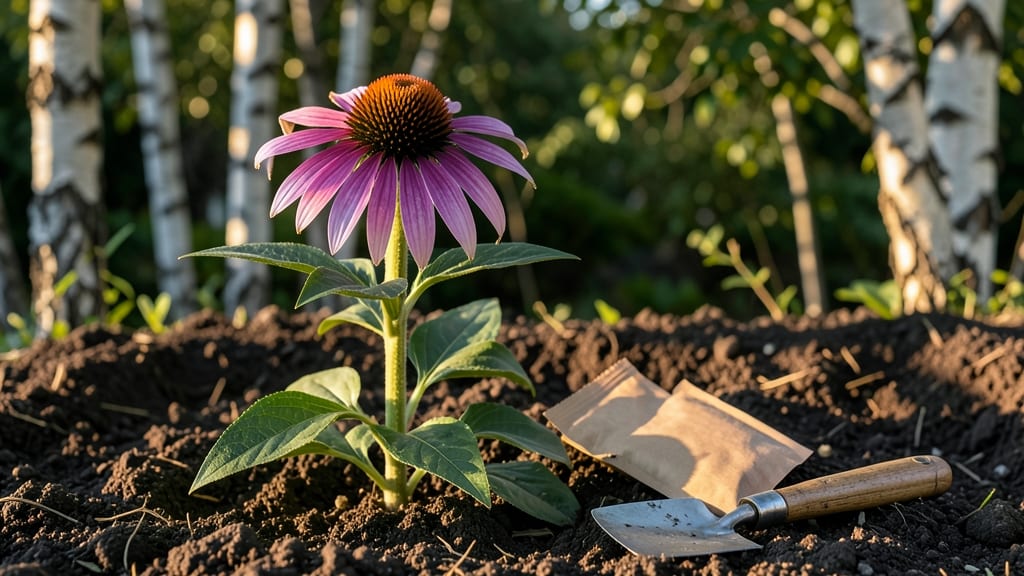
Planting wildflowers in Zone 6 at the right time ensures vibrant blooms all season long—early spring or early fall are your best bets for success.
Timing your wildflower planting in Zone 6 can mean the difference between a thriving meadow and a lackluster display. Miss the window, and you’ll watch your seeds struggle through unpredictable spring frosts or fail to establish before winter sets in.
Zone 6 gardeners have two key planting windows: March-April for spring blooms and September-October for fall color. The trick is preparing the soil right—loosen the top 6 inches and mix in compost to give those delicate seeds the best start.
Below, I’ll break down the exact months for annuals vs. perennials, how to adjust for Zone 6’s microclimates, and the best native varieties to plant for non-stop color. Ready to transform your garden into a wildflower haven?

Zone 6 wildflower planting calendar: exact months for annuals vs. perennials
Timing your wildflower planting in Zone 6 is all about understanding your region's frost dates and soil temperature shifts. The last frost date typically falls around mid-April for most of Zone 6, but this can vary by 5a/5b subregions.
I've planted wildflowers for years in this zone and learned that annuals and perennials have completely different timing needs—getting this wrong can mean waiting an extra year for blooms.
For Zone 6 gardeners, the key is planting cool-season wildflowers in early spring and warm-season varieties in late spring or early fall. This strategy ensures continuous color from May through October.
I'll walk you through the exact months to plant each type, plus how to adjust for your specific subregion's frost patterns.
Comparison Table: Wildflower Planting Times in Zone 6
When planting cool-season annuals like Bluebonnet or Sweet Alyssum, aim for early March in Zone 6b or late February in Zone 6a where frosts linger longer.
These hardy annuals can handle light frosts and often bloom by May if planted correctly. I've found that direct sowing works best—these seeds germinate poorly when transplanted.
For warm-season varieties such as Black-Eyed Susans or Sunflowers, wait until mid-April when nighttime temperatures consistently stay above 50°F. These plants thrive in full sun and need warm soil to germinate properly.
In my garden, I've had the most success planting these after Mother's Day weekend when frost risk is minimal.
The fall planting window for perennials like Coneflower and Bee Balm is crucial for establishing strong roots before winter. I always plant these in September—about 6-8 weeks before first frost.
This timing gives seeds time to germinate and develop roots before Zone 6's first hard freeze in mid-October. For Zone 6a gardeners with earlier frosts, aim for late August planting.
One common mistake I see is trying to transplant wildflower seedlings instead of direct sowing. Most wildflowers have delicate root systems that don't handle transplanting well.
The exception is when starting seeds indoors—this works well for large seeds like Sunflowers or Cosmos, but even then, I recommend hardening off seedlings for 7-10 days before outdoor planting.
For Zone 6 gardeners with <
How to time wildflower planting for non-stop blooms in Zone 6
Zone 6 gardeners know the struggle: one minute you're dreaming of a colorful meadow, the next you're wondering why your wildflowers fizzled out by July. The secret? Strategic succession planting—staggering your sowing times to create a continuous bloom parade from spring through fall.
With Zone 6's 165 frost-free days, we have the perfect window to play this game right.
Think of your wildflower garden like a bloom relay race: early spring starters hand off to summer performers, who then pass the baton to fall beauties. The key is understanding each variety's growth rate and frost tolerance, then timing your plantings so one group always takes center stage.
This isn't just about throwing seeds in the ground—it's about orchestrating a floral symphony that never hits a quiet note.
Plant cool-season wildflowers (like lupine and bluebonnets) in March for spring blooms, then warm-season varieties (such as black-eyed Susans) in May for summer color. Finish with fall-blooming perennials (like goldenrod) in August for late-season shows.
Pair shasta daisies (tall, late summer) with coreopsis (mid-summer) and salvia (early summer) for layered blooms. Add yarrow (spring/fall) and coneflowers (summer) to stretch your season even further.
Use south-facing slopes for earlier spring blooms (warmer microclimate) and north-facing beds for extended fall color (cooler microclimate). Sheltered areas near fences or buildings can add 1-2 weeks to your growing season.
For spring shows, plant in September-October so seeds germinate early. For fall color, sow in July-August—these plants will establish roots before winter and bloom early next spring.
Let me show you how I extend my wildflower season using these techniques. Last year, I planted blue wild indigo in early March for spring blooms, then followed with purple coneflower in May, and topped it off with black-eyed Susans in July.
The result? Blooms from April through October—with zero gaps. The trick is choosing varieties with overlapping bloom times and staggered planting windows.
Don't overlook companion planting either. Tall varieties like Joe Pye weed (6+ feet) should go in the back, while low-growing ajuga (6 inches) can spill over edges. This not only creates visual interest but also prevents seed competition, ensuring each plant gets the sunlight and nutrients it needs.
I always group sun-loving varieties together and partial-shade lovers near trees or structures.
Zone 6's unpredictable springs can throw off even the best-laid plans. That's why I recommend keeping a planting journal to track your local frost dates and bloom timelines. Note which varieties performed best in your specific microclimate—a south-facing bed might support earlier plantings than a north-facing one.
With this data, you'll refine your strategy each year for even more reliable blooms.
Remember, the goal isn't just to have wildflowers—it's to have a garden that never stops showing off. By mastering these succession techniques, you'll transform your Zone 6 space into a year-round floral masterpiece that neighbors will envy.
And the best part? Once established, these plants require minimal maintenance—just sit back and enjoy the show. 🌼