
Plants
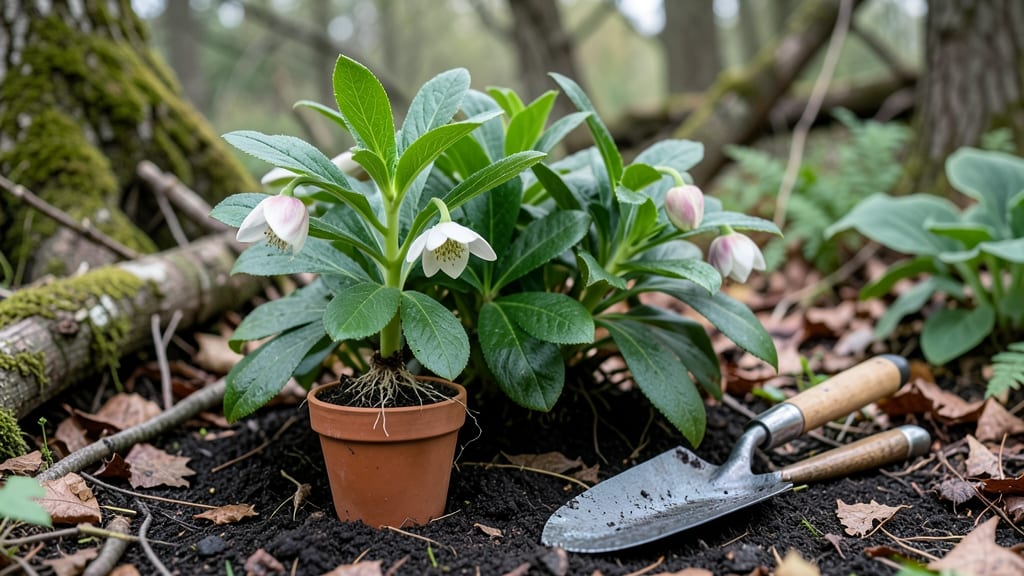
Planting hellebores in Zone 6 during fall or early spring unlocks their full potential for year-round blooms and robust growth.
If you’ve ever watched hellebores struggle to establish after a late spring planting—or worse, rot in soggy soil—you know timing is everything. These shade-loving perennials 🌸 thrive when planted in the cooler months, but Zone 6’s frost dates and microclimates add layers to the decision.
Fall planting gives roots time to settle before winter, while spring offers a second chance—but only if you avoid the risks of late frosts or drought.
Below, I’ll break down the best windows for each season, soil prep secrets, and how to adjust for sheltered vs. exposed spots in your garden.
You’ll leave here with a clear plan: whether to dig in September, wait until March, or tweak your approach for containers. Let’s get those hellebores blooming reliably.

Fall planting of hellebores in Zone 6: ideal timing and benefits
Fall is the best time to plant hellebores in Zone 6 because cooler temperatures and increased rainfall create perfect conditions for root establishment before winter.
Unlike spring planting, fall gives your hellebores a head start—they’ll focus on roots rather than leaves, leading to stronger plants and earlier blooms next spring. This timing also reduces transplant shock, a common issue with spring-planted hellebores.
Hellebores are cold-hardy perennials that naturally enter dormancy as temperatures drop, making them ideal for fall planting. In Zone 6, where first frosts typically arrive by mid-October, you have a 6-8 week window to plant before the ground freezes.
This period allows roots to grow without competing with summer heat stress or early spring’s rapid foliage growth.
🌸
| Planting Window | Zone 6 Timing | Key Benefits | Soil Prep Tip |
|---|---|---|---|
| Early Fall | Late August - Mid-September | Roots establish before frost; minimal transplant shock | Amend soil with compost (2-3 inches) |
| Mid Fall | Late September - Early October | Ideal balance of root growth and dormancy prep | Add mulch (3-4 inches) after planting |
| Late Fall | Mid-October - Early November | Still viable if planted before hard freeze | Use frost cloth for extra protection |
| Spring Alternative | March - Early April | Risk of transplant shock; slower establishment | Water deeply 2x/week for first month |
For Zone 6 gardeners, the ideal fall planting window spans from late August through early November, but the sweet spot is September to mid-October. During this time, soil temperatures remain above 40°F, encouraging root growth while avoiding the stress of summer heat or winter dormancy.
Planting in September gives roots 6-8 weeks to establish before frost, while October plantings still benefit from cooler temps and natural moisture.
Proper soil preparation is critical for fall-planted hellebores. These shade-lovers thrive in well-draining, slightly acidic soil (pH 6.0-7.0). Before planting, amend your soil with 3-4 inches of compost or aged manure to improve fertility.
Hellebores also appreciate a thick layer of organic mulch (3-4 inches) after planting to insulate roots during winter and retain moisture.
🌿
When planting, position the crown 1-2 inches below soil level. This depth provides winter protection for tender roots while preventing crown rot.
Space plants 8-12 inches apart, depending on the variety—dwarf types like 'Annie's Winter Gift' need less space, while larger varieties like 'HGC Double Delight' require more room. Water thoroughly after planting to settle the soil and eliminate air pockets around roots.
One of the biggest benefits of fall planting is the reduced risk of transplant shock. Unlike spring-planted hellebores, which often struggle with rapid foliage growth in warm weather, fall plants focus energy on roots.
This leads to healthier, more established plants by next spring, often blooming earlier and more prolifically than their spring-planted counterparts.
🌱
For container-grown hellebores, fall planting offers similar advantages. Choose containers with drainage holes and use a lightweight potting mix blended with perlite. Water containers deeply every 5-7 days in fall, reducing frequency as temperatures drop.
Move containers to a protected location (like a garage or under eaves) if freezing temperatures are forecasted for more than 24 hours.
If you miss the fall window, don’t despair—early spring planting (March-April) is still viable in Zone 6. However, spring-planted hellebores may take 1-2 years longer to establish and bloom compared to their fall-planted siblings.
The key is to plant as soon as the soil is workable (around 40°F) and keep the soil consistently moist during the first growing season.
Spring planting alternatives: when it works and when to avoid it
Spring planting is a viable option for hellebores in Zone 6, but timing and conditions matter. While fall planting is ideal, spring can work if you act early and prepare properly. The key is understanding your microclimate—especially late frost risks and soil temperature fluctuations.
In Zone 6, spring planting should begin 4-6 weeks before your last frost date, typically around March 15-April 1. This gives roots time to establish before summer heat arrives. However, if you miss this window, hellebores may struggle to bloom in their first year.
- Flexibility: Better for gardeners who miss fall planting
- Immediate blooms: Can flower in first year if planted early
- Soil warmth: Faster root growth in spring soil
- Late frost risk: New plants may suffer damage
- Delayed blooming: May skip first-year flowers
- Heat stress: Struggles if planted too late
Watch for hellebore stress signs after spring planting: yellowing leaves or stunted growth often mean delayed root establishment. If this happens, adjust care by adding 2-3 inches of mulch to retain moisture and protect roots from temperature swings.
For Zone 6 microclimates, consider these adjustments: Plant in sheltered spots first, like near fences or buildings, to delay frost exposure. If your area has high humidity, increase airflow around plants to prevent fungal issues.
If you choose spring planting, water deeply every 7-10 days until roots establish. Avoid overhead watering to prevent disease. For container-grown hellebores, keep soil consistently moist and move pots to shade if temperatures exceed 85°F.
Remember: Spring planting is a second-best option. For the best results, aim for fall planting—but if you must plant in spring, act early and monitor conditions closely. With proper care, your hellebores can still thrive and reward you with year-round blooms.