
Planting
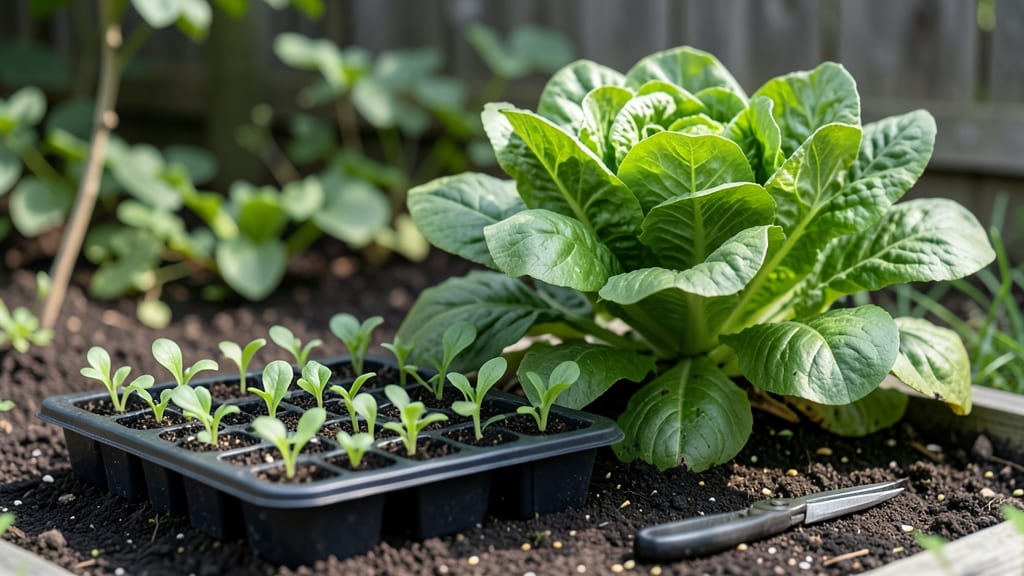
To plant in Zone 9a, time your crops by the season—not the calendar—since frost is rare but summer heat can be brutal for delicate greens.
Zone 9A gardeners know timing is everything—plant too early and face unexpected chill, too late and miss the growing season. But with the right schedule, you can maximize yields and avoid common pitfalls in Southern California’s Mediterranean climate.
Cool-season crops like broccoli and peas thrive in winter and early spring, while tomatoes and peppers demand the heat of late spring through fall. Even evergreens need the right moment to root before summer’s intensity kicks in.
Below, I break down the exact months for each crop, microclimate tweaks for coastal vs. desert edges, and the one mistake that wipes out half your garden if you’re not careful.

Zone 9A planting calendar by month: exact dates for vegetables, flowers, and trees
Zone 9A's Mediterranean climate means year-round gardening with no frost dates to worry about—but timing still matters. Coastal areas like Santa Barbara stay cooler longer, while inland valleys like San Fernando heat up faster. I’ve broken down the best planting windows for vegetables, flowers, and trees to match your microclimate.
For coastal Zone 9A, start cool-season crops like broccoli and peas in January and transition to warm-season plants by March.
Inland areas can plant tomatoes and peppers as early as February without frost risk. Evergreens and drought-tolerant plants can go in anytime, but fall is ideal for root establishment.
Note: Always check soil temperature—warm-season crops need soil above 60°F, while cool-season crops thrive below 75°F. Use a soil thermometer to avoid guessing.
| Month | Cool-Season Crops | Warm-Season Crops | Flowers & Trees | Microclimate Notes | |||||||||||||||||
|---|---|---|---|---|---|---|---|---|---|---|---|---|---|---|---|---|---|---|---|---|---|
| January | Broccoli, Kale, Peas, Spinach | - | Pansies, Snapdragons, Evergreens | Coastal: Ideal for cool crops. Inland: Wait until soil warms. | |||||||||||||||||
| February | Lettuce, Carrots, Radishes | Tomatoes (inland), Peppers | Sweet Peas, Dahlias, Citrus Trees | Inland: Start warm crops early. Coastal: Wait 2 weeks. | |||||||||||||||||
| March | Green Onions, Cabbage | Cucumbers, Beans, Basil | Marigolds, Zinnias, Avocado Trees | Transition month—coastal shifts to warm crops. | |||||||||||||||||
| April | - | Okra, Corn, Eggplant | Sunflowers, Bougainvillea, Olive Trees | Peak planting for heat-lovers; mulch heavily. | |||||||||||||||||
| May | - | Sweet Potatoes, Melons | Lantana, Hibiscus, Figs | Use shade cloth for heat-sensitive plants. | |||||||||||||||||
| June-August | - | Peppers, Tomatoes, Herbs | Sunflowers, Succulents, Palms | Water deeply 2-3x/week; avoid overhead watering. | |||||||||||||||||
| September | Kale, Broccoli, Spinach | Late Tomatoes, Peppers | Cosmos, Asters, Fruit Trees | Perfect for fall planting—soil stays warm. | |||||||||||||||||
| October-November | Lettuce, Radishes, Pe
How microclimates in Zone 9A shift planting times (coastal vs desert)Zone 9A’s diverse landscapes—from foggy coastal Santa Barbara to sunbaked desert Palm Springs—create wildly different growing conditions. A tomato planted in March might thrive in the desert but bolt in coastal gardens. Understanding these microclimates helps you time plantings for success. Coastal areas like Santa Barbara enjoy milder winters and cooler summers due to ocean breezes, while inland valleys (e.g., San Fernando) experience hotter days and colder nights. Desert edges like Palm Springs bake under relentless sun but benefit from fast soil warming. These shifts mean planting windows can differ by 4-6 weeks between regions.
For coastal gardens, start cool-season crops like broccoli and kale in February to avoid summer bolting. Inland valleys can plant tomatoes and peppers as early as March, while desert edges might begin in February. Succulents and cacti thrive in desert microclimates but may struggle in coastal humidity. Adjust for soil temperature: Use a soil thermometer—cool crops need 50-60°F soil, while warm crops like okra prefer 70°F+. Coastal soils stay cooler longer, delaying warm-season plantings by 2-3 weeks compared to inland areas. Mulch with straw or wood chips to regulate soil temps. Watch for microclimate traps: Coastal fog can stunt growth, while desert heat may require shade cloth for heat-sensitive plants. Adjust watering—coastal areas need more frequent light watering, while desert plants prefer deep, infrequent soaks. Drip irrigation works best in all three microclimates. Pro tip: Test your microclimate by planting calendula (coastal-friendly) and black-eyed susans (desert-tolerant) side by side. Their growth rates reveal your local conditions. Zone 9A’s flexibility means you can grow almost anything—but timing is the key to avoiding common pitfalls. |