
Planting
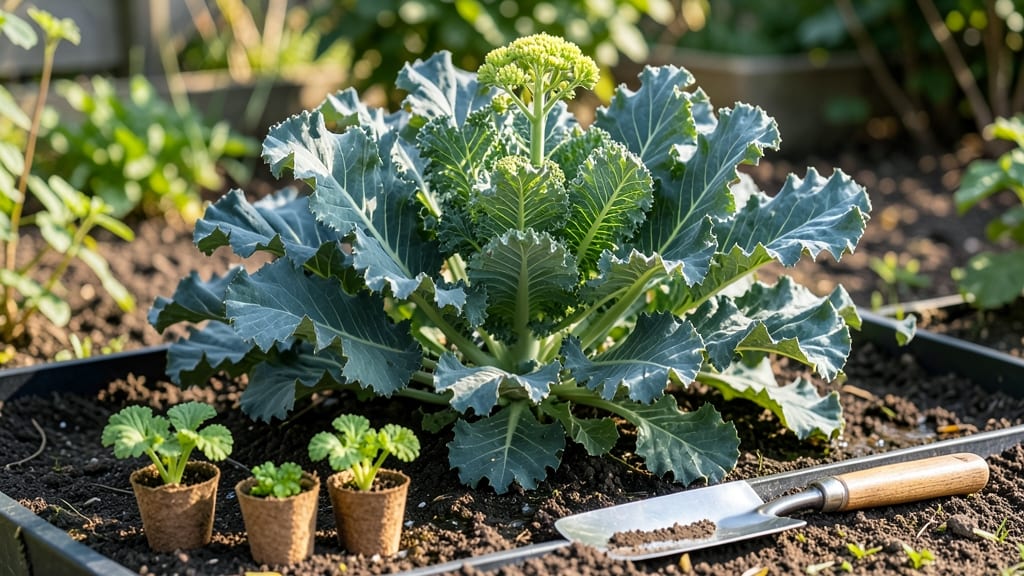
Planting kale in Zone 9b during late summer or early winter avoids the brutal heat and gives your 🥬 the best chance to thrive.
You’ve probably heard kale is a cool-weather crop, but in Zone 9b’s desert-like summers, timing is everything. Miss the window, and you’ll end up with bolting plants or sad, wilted leaves before they even mature.
This guide breaks down the exact months to plant for fall and spring harvests, how to prep your soil for Zone 9b’s unique climate, and smart tricks to keep your kale happy even when temperatures soar.
From shade cloth hacks to succession planting, you’ll learn how to grow kale year-round without the frustration of summer stress.

Best fall planting timeline for kale in Zone 9b
Kale thrives in cool weather, but in Zone 9b, the key to success is planting at the right time to avoid summer heat stress.
Unlike northern climates, Zone 9b rarely experiences frost, so timing focuses on escaping the hottest months (June-August) while maximizing the mild fall and winter temperatures. For me, the ideal window starts in late summer and extends through early fall, with specific actions each month to ensure healthy growth.
In Zone 9b, kale can be planted year-round with the right adjustments, but fall planting is the most reliable strategy. The goal is to establish plants before daytime temperatures drop below 60°F but after the peak summer heat has passed.
This balance ensures your kale grows vigorously without bolting or wilting. Let’s break down the exact month-by-month timeline for fall planting success.
📅 September: This is your first opportunity to plant kale in Zone 9b. Direct sow seeds or transplant 6-week-old seedlings into well-prepared soil. Aim for a soil temperature of 60-70°F—any hotter, and your seedlings may struggle. If your soil is still warm, opt for shade cloth to protect young plants until temperatures cool. Water deeply twice weekly to encourage root development.
📅 October: The sweet spot for kale planting in Zone 9b! By this month, daytime highs typically drop into the 70s°F, making it ideal for both direct sowing and transplanting. If you missed September, October is your last chance for a full-season harvest. Use row covers if nights are chilly (below 50°F) to protect tender leaves. Fertilize lightly with a balanced 10-10-10 mix to boost growth before winter.
| Month | Action | Soil Temp (°F) | Notes |
|---|---|---|---|
| September | Direct sow or transplant seedlings | 60-70°F | Use shade cloth if soil is hotter |
| October | Plant for full-season harvest | 60-75°F | Best month for Zone 9b |
| November | Succession plant for winter | 55-65°F | Use row covers for frost protection |
| December | Harvest established plants | 50-60°F | Reduce watering; mulch heavily |
For direct sowing, scatter seeds ¼ inch deep and space them 12-18 inches apart in rows 2 feet apart. If using starter plants, harden them off for 5-7 days before transplanting to avoid shock.
In Zone 9b, heat-tolerant varieties like 'Red Russian' or 'Winterbor' perform best—they can handle short heat spikes better than standard types.
Once planted, mulch heavily with straw or wood chips to retain moisture and regulate soil temperature. In November, you can still plant kale for a winter harvest, but use row covers if temperatures dip below 40°F at night.
This extends your growing season and protects tender leaves from cold damage. I’ve found that lightweight frost cloth works well even in Zone 9b’s rare chilly spells.
By December, your kale should be well-established and ready for harvest. Focus on outer leaves first to encourage regrowth. Reduce watering slightly but keep the soil consistently moist—kale in Zone 9b can suffer from bolt stress if exposed to sudden cold snaps.
If your plants look stressed, a light application of compost tea can help boost resilience.
One of my biggest tips for Zone 9b gardeners is to plan for succession planting. Even after your initial fall harvest, you can sow new seeds in late November or early December for a spring harvest.
Just be prepared to use row covers or shade cloth to protect young plants from unpredictable winter weather. With the right timing, you can enjoy fresh kale year-round in this warm climate.
If you’re new to growing kale in Zone 9b, start small with 4-6 plants to test your timing. Keep a gardening journal to track soil temperatures, watering needs, and harvest dates—this will help you refine your approach for next season.
Remember, the earlier you plant in fall, the more time your kale has to establish before winter sets in, even if it’s mild.
With these month-by-month guidelines, you’ll avoid the common pitfalls of heat stress and poor growth that plague many Zone 9b gardeners. Whether you’re direct sowing or transplant
Spring planting strategies to avoid summer bolting
Spring planting of kale in Zone 9b requires careful timing to avoid heat stress and premature bolting. Unlike cooler climates, Zone 9b’s microclimates—like coastal areas versus inland deserts—can shift planting windows by weeks.
For example, coastal San Diego may handle early March plantings, while inland Phoenix should wait until late February or even early March to avoid 90°F+ days that trigger bolting.
Bolting occurs when kale senses prolonged warmth and shifts energy from leaf production to flowering. In Zone 9b, this happens faster than in cooler zones. To delay bolting, focus on pre-chilling seedlings for 2–4 weeks in a refrigerator (not the freezer) before transplanting.
This mimics winter conditions and buys you 4–6 extra weeks of harvestable growth before summer heat sets in.
Early vs. Late Spring Planting in Zone 9b
Pros:
- Cooler soil temps (60–65°F) for better germination
- Longer harvest window before summer heat
- Less bolting risk if pre-chilled
Cons:
- Higher bolting risk in inland areas by late March
- Slower growth if soil stays too cool
Pros:
- Faster growth with warming soil
- Lower bolting risk in coastal areas
Cons:
- Higher heat stress by April
- Shorter harvest window before bolting
Companion planting is another key strategy to protect kale from heat stress. Pair it with shade-providing plants like tall sunflowers or bush beans to reduce direct sunlight exposure.
Alternatively, interplant with radishes or lettuce, which mature quickly and create temporary shade. Avoid planting near tomatoes or peppers, which compete for water and increase bolting risk.
For coastal Zone 9b gardens, like those in Santa Barbara, you can push spring plantings slightly earlier (late February) thanks to maritime breezes that moderate temperatures. Inland areas, however, should delay until mid-March or use shade cloth (30–50%) to extend the growing season.
Monitor soil temperatures with a soil thermometer—ideal planting temps hover around 60–65°F.
If you miss the spring window, don’t despair! Zone 9b’s mild winters allow for fall planting (August–September) as a backup. Just ensure seedlings are hardened off and transplanted before October’s heat spikes. With these strategies, you can enjoy year-round kale harvests without the summer bolting blues.
Remember, the goal is to balance timing with microclimate. Coastal areas get a 2–3 week head start, while inland gardens must play it safer. Start with small batches of seedlings to test your local conditions, and adjust future plantings based on what works best.
🌱