
Plants
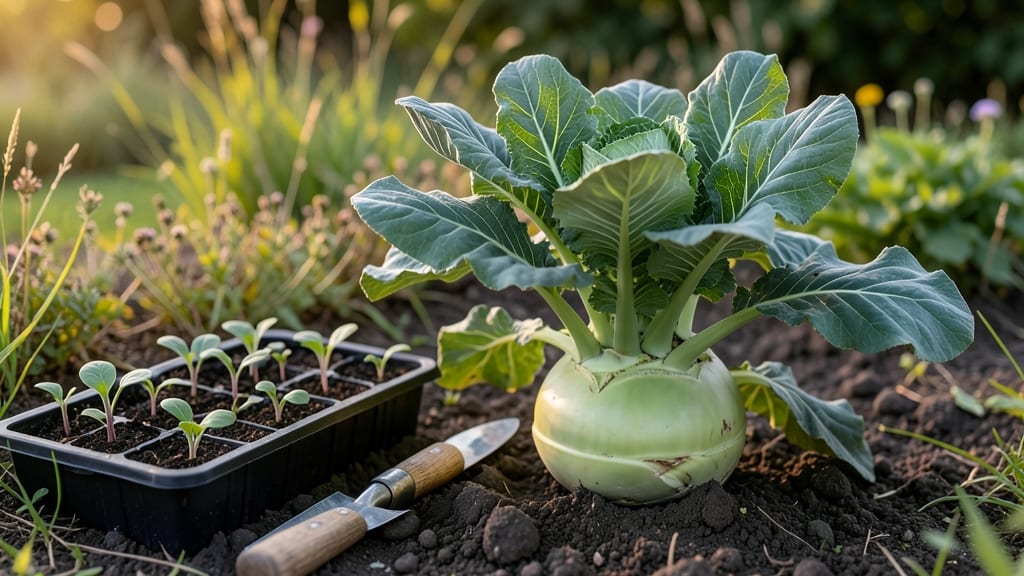
Planting kohlrabi in Zone 5 at the right time means the difference between crisp, sweet harvests and bitter, woody stems.
Picture this: you’ve sown your seeds in early April, only to watch them bolt by June’s heat. Or worse, you planted too late in summer and missed the window entirely. Kohlrabi’s 55-day growing season is short, and timing is everything in Zone 5’s unpredictable climate.
Here’s the secret: start seeds indoors by late February or sow directly in early spring (March–early April) for a June–July harvest. Or, for a fall crop, plant again in late July for a September–October pick.
I’ll break down the exact frost dates, soil temps, and succession planting tricks to lock in success.
By the end, you’ll know not just when to plant, but how to stretch the season, pick the best varieties for your region, and avoid the three biggest mistakes that ruin kohlrabi in Zone 5.

Best planting weeks for kohlrabi in Zone 5 (with frost & heat guidelines)
Kohlrabi thrives in Zone 5’s cool springs and falls, but timing is everything. Plant too early, and frost will damage tender seedlings. Too late, and heat over 75°F triggers bolting—turning your crisp bulbs into bitter, flower-bound stalks.
My exact planting windows below ensure you harvest sweet, tender stems every time.
Zone 5’s last frost date typically falls in mid-May, but your local microclimate may vary by 1-2 weeks. Check your average frost dates (USDA Plant Hardiness Zone Map) and adjust accordingly.
For example, Chicago’s last frost is often April 25-May 10, while Pittsburgh’s can be as late as May 15.
Kohlrabi’s two best planting windows in Zone 5 are:
- Early spring (March 15–April 15) for a June harvest
- Late summer (July 15–August 10) for a September-October harvest
These windows avoid both frost and extreme heat, giving you two chances to grow this fast-growing crop (ready in 55-65 days).
For early spring plantings, start seeds indoors 4–6 weeks before your last frost date. Use biodegradable pots to transplant seedlings outdoors after soil warms to 45°F. Harden off seedlings for 5–7 days by placing them outside during the day and bringing them in at night.
If you miss the spring window, don’t panic—late summer plantings work beautifully in Zone 5. Sow seeds directly into the soil July 15–August 10 for a fall harvest.
Choose shade-tolerant varieties like ‘Purple Vienna’ to reduce stress from late-summer heat. Water deeply every 2–3 days to prevent bolting.
Watch for heat stress signs: yellowing leaves, stunted growth, or flower stalks. If temperatures climb above 75°F for 3+ days, provide 30–50% shade cloth to protect plants. Mulch with straw or grass clippings to keep roots cool and retain moisture.
Harvest kohlrabi when stems reach 2–3 inches in diameter—this usually takes 55–65 days from
How to adjust planting for Zone 5’s short cool season (pro tips)
Zone 5’s short cool season means kohlrabi must work with you—not against you. The key is extending the growing window while avoiding bolting (when plants prematurely flower). With the right strategies, you can enjoy crisp harvests from spring through fall, even in cooler climates.
Your biggest challenges in Zone 5 are late spring frosts and summer heat, which can turn sweet kohlrabi bitter or woody. But by using succession planting, row covers, and companion plants, you can trick the season into giving you more time.
Let’s break down the best ways to maximize your harvest.
- 🌱 Start with succession planting: Sow seeds every 2-3 weeks from March to early May. This ensures a staggered harvest and avoids overwhelming your garden at once.
- 🛡️ Use row covers for late spring: Protect seedlings with floating row covers until soil warms to 50°F. This buys you 2-3 extra weeks of planting before frost risk.
- ☀️ Deploy shade cloth in summer: If planting in late July or August, use 30-50% shade cloth to keep temps below 75°F and prevent bolting.
- 🌿 Plant with companions: Pair kohlrabi with cabbage, lettuce, or radishes to deter pests like cabbage worms. Avoid planting near tomatoes, which compete for nutrients.
For a fall harvest, focus on late summer sowings (July 15–August 10). Choose fast-maturing varieties like ‘Early Purple’ (ready in 50 days) to beat the first frost. Mulch with straw or leaves to insulate roots and extend the season by 3-4 weeks.
If your Zone 5 summers are particularly hot, consider container gardening. Pots warm up faster but also cool down quicker, giving you more control over soil temperature. Place containers in partial shade during peak afternoon heat to keep stems crisp and sweet.
Finally, harvest strategically: Pick kohlrabi when stems reach 2-3 inches in diameter. Larger stems become woody and tough. In Zone 5, this usually means June-July for spring plantings and September-October for fall crops. Don’t wait too long—once the plant bolts, the flavor declines sharply.
With these adjustments, you’ll turn Zone 5’s short season into a kohlrabi powerhouse. Experiment with timing and methods to find what works best for your microclimate—happy growing! 🌱