
Plants
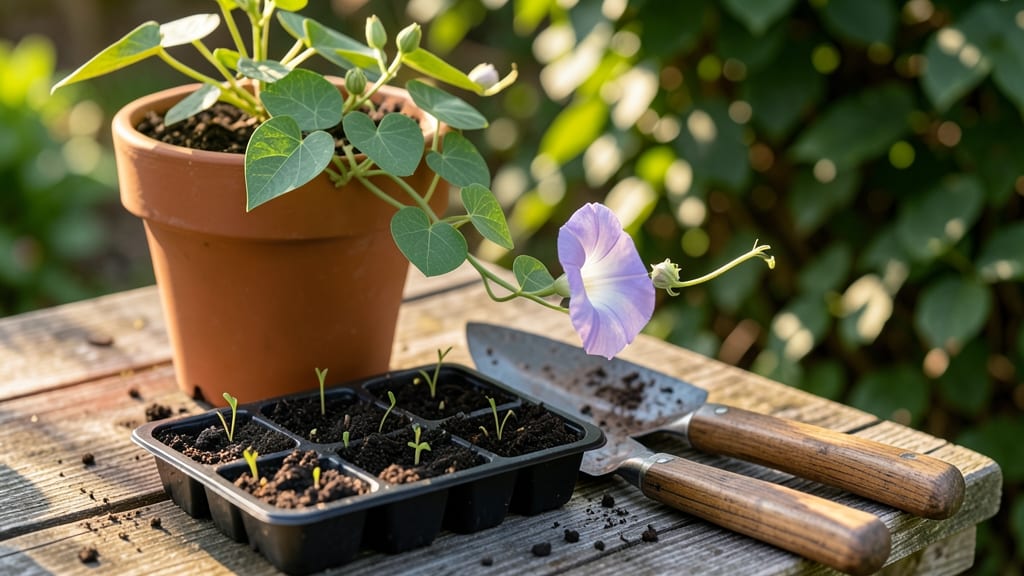
Plant morning glories in Zone 6 after your last frost date — typically late April to early May — when soil temperatures hit at least 60°F for consistent germination.
If you’ve ever watched your 🌸 morning glories wilt overnight after a surprise frost, you know timing is everything. Zone 6’s unpredictable swings mean the difference between a garden bursting with color and a season of missed blooms.
These fast-growing vines thrive when planted directly in the ground, but rushing them can lead to frost damage. Wait until the soil is warm enough, and you’ll unlock 60-90 days of vibrant blooms from July through August.
Below, I’ll break down the exact frost-free timeline for your region, soil temperature tips, and how to stretch your blooming season with smart planting tricks.

Zone 6 morning glory planting timeline: frost dates and soil temperatures
Morning glories thrive in Zone 6’s warm summers but need precise timing to avoid frost damage. The average last frost date ranges from mid-April to early May, depending on your sub-region.
For example, Chicago typically sees its last frost around April 25, while Pittsburgh averages May 5. Always wait until soil temperatures reach 55°F or warmer before planting.
Soil temperature is more critical than air temperature for morning glory seeds. A soil thermometer shows when conditions are ideal—60°F+ ensures fast germination. In cooler microclimates (like valleys), delay planting until late May. Meanwhile, urban heat islands (like city sidewalks) may warm earlier, allowing earlier sowing in May.
Heat waves can also shift your timeline. If a sudden cold snap hits after planting, cover seedlings with frost cloth. Conversely, if summer arrives early, you can extend the blooming season by planting a second batch in late June—morning glories grow quickly and may still flower before frost.
Here’s your hyper-local planting guide for Zone 6 sub-regions, including soil temperature thresholds and frost-free windows:
| Region | Avg. Last Frost | Soil Temp Threshold | Ideal Planting Window | Notes |
|---|---|---|---|---|
| Chicago, IL | April 25 | 58°F+ | May 1–15 | Urban areas warm faster; test soil. |
| Pittsburgh, PA | May 5 | 60°F+ | May 15–30 | Valleys stay cooler; delay if needed. |
| St. Louis, MO | April 15 | 55°F+ | April 30–May 10 | Early spring; monitor for late frosts. |
| Raleigh, NC | April 1 | 57°F+ | April 15–May 5 | Humid climate; ensure good drainage. |
Direct sowing is the easiest method for morning glories—no need for indoor starts. Scatter seeds ½ inch deep in well-draining soil after your region’s frost date.
For faster results, soak seeds overnight in warm water before planting. In cool springs, use black plastic mulch to warm the soil 5–10°F faster.
Morning glories bloom 60–90 days after planting, so aim for a June–July display. If you miss the spring window, try a late-July sowing—vines may still produce flowers before frost. Just ensure they have a trellis or fence to climb by early summer.
Adjust for microclimates: South-facing walls or paved areas warm earlier, while shaded spots may need a 2-week delay. Use a frost calendar (like the Old Farmer’s Almanac) or local CoCoRaHS data for real-time updates.
In Zone 6b (warmer sub-region), you might even squeeze in a second planting in late June.
Pro tip: Mark your garden with bamboo stakes where you plant morning glories. This helps track growth and reminds you to water deeply (1–2 inches per week) during dry spells. Their fast-growing vines can reach 10+ feet in a season, so give them space!
Watch for heat stress in July—morning glories may wilt in 90°F+ temps. Provide afternoon shade if possible, and mulch to retain moisture. With the right timing, you’ll enjoy continuous blooms until frost, turning your garden into a vibrant summer paradise. 🌸
3 Critical factors that determine your exact planting window
Morning glories thrive on speed—60 to 90 days from seed to bloom—but Zone 6’s unpredictable frost dates and short growing season demand precision. The three key factors that dictate your planting window are seed viability, vine growth rate, and bloom timing.
Get these wrong, and you’ll either miss summer blooms or risk frost damage. Let’s break down how to nail the timing for maximum color in your garden.
First, morning glory seeds need warm soil (60°F+) to germinate. In Zone 6, this typically means waiting until mid-to-late May for direct sowing, unless you’re using black plastic mulch to warm the soil earlier.
If you plant too soon, seeds may rot in cold, damp soil. But if you wait too long, your vines won’t have enough time to mature before fall frosts hit in October.
Here’s how these three factors interact to create your perfect planting window:
- 1 Seed Viability: Morning glory seeds lose viability quickly in cold, wet soil. Direct-sow only when soil temps hit 60°F+ (use a soil thermometer!). In Zone 6, this is usually late May, but pre-sprouting indoors 2-3 weeks earlier (by mid-April) gives you a head start.
- 2 Vine Growth Speed: Morning glories grow 1-2 feet per week in ideal conditions. To ensure full blooms before frost, plant 60-90 days before your first frost date (typically early July for Zone 6). Late plantings (after June 15) risk stunted vines and fewer flowers.
- 3 Bloom Timing: Most varieties bloom 60-75 days after germination. For continuous color, use succession planting: Sow a second batch 3-4 weeks after the first to extend blooms into early fall. This works best in Zone 6’s longer summers (e.g., Chicago vs. Pittsburgh).
For direct sowing, aim for late May to early June in Zone 6. Plant seeds ½ inch deep in well-draining soil and provide a trellis or fence for climbing.
If you start seeds indoors, transplant seedlings outdoors after the last frost (mid-May) when they’ve developed 2-3 true leaves. Harden them off for 5-7 days to avoid transplant shock.
Pro tip: Use black plastic mulch or row covers to warm soil earlier and push your planting window 2-3 weeks forward. This is especially helpful in Zone 6a (colder sub-region) where frosts linger longer.
Monitor your local Almanac frost dates and adjust accordingly—err on the side of waiting if temps dip unexpectedly.
Extend your blooming season by succession planting every 2-3 weeks until mid-July. This ensures fresh flowers from early summer through September, even in Zone 6’s shorter growing season. Pair fast-blooming varieties like ‘Heavenly Blue’ with slower varieties like ‘Fountain of Heaven’ for a prolonged display.