
Planting
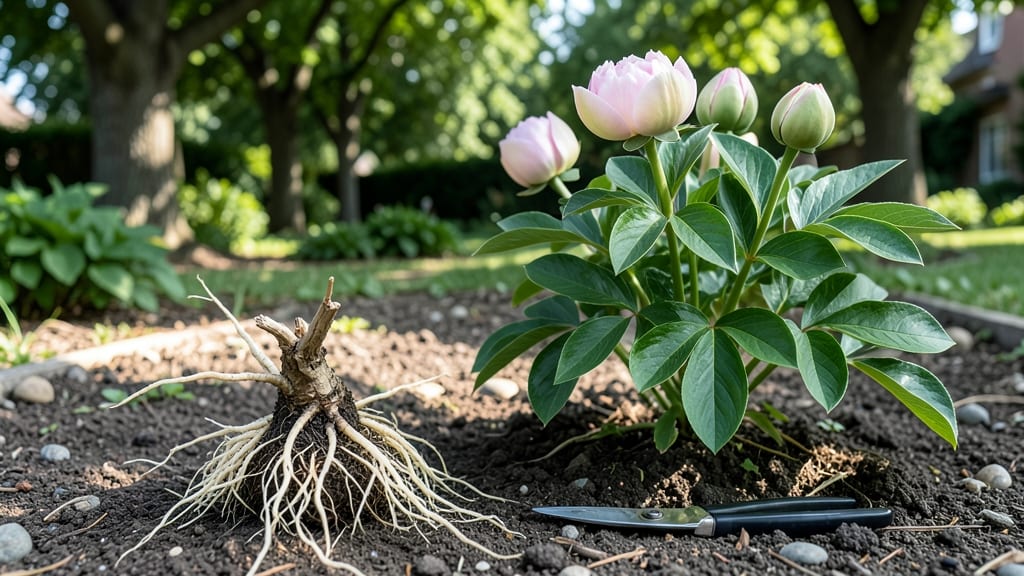
Planting peonies in Zone 6 at the right time ensures decades of lush blooms—and missing the window can leave your garden struggling for years.
Peonies 🌸 in Zone 6 thrive when planted in early to mid-autumn or early spring, but timing isn’t just about the calendar—it’s about soil temperature, frost risk, and root establishment. Too early, and you risk weak roots; too late, and frost can damage tender shoots before they take hold.
Most gardeners in 6a-6b zones focus on fall planting because cooler soil helps roots settle before winter dormancy. But spring planting still works if you act quickly—before the last frost date of April 15th.
The key is preparing the soil right and choosing the right type of peony (bare-root or containerized) for your climate.
Below, I’ll break down the exact months to plant, how to prep your soil, and the three critical mistakes that derail even the best-laid plans. Follow these steps, and your peonies will reward you with bold, fragrant blooms for years to come.

Best planting windows for peonies in Zone 6: fall vs. spring breakdown
Peonies are one of the most rewarding perennial flowers for Zone 6 gardens, but their planting timing directly impacts how quickly—and how well—they establish roots and bloom. In my experience, fall planting gives peonies a head start, while spring planting requires more careful timing to avoid frost damage.
The key difference lies in how peonies respond to soil temperatures and dormancy periods.
Zone 6’s climate—with its last frost around April 15 and first frost near October 15—creates a narrow window for successful peony planting. Fall planting allows roots to acclimate naturally before winter, while spring planting forces rapid root growth during a critical bloom initiation phase.
Let’s break down which method works best for your garden.
Fall planting is the gold standard for peonies in Zone 6 because it aligns with their natural dormancy cycle. When planted in September or early October, peony roots have 6–8 weeks to establish before winter, giving them a 30–50% advantage in root growth compared to spring-planted peers.
The cooler temperatures also reduce transplant shock, a common issue when peonies are forced to grow roots in warm spring soil.
Spring planting, however, is only viable if you act immediately after the last frost (typically March 15–April 15 in Zone 6). The challenge? Peonies planted in spring must initiate root growth while also preparing to bloom—two energy-intensive tasks that can compromise flower quality if soil temperatures rise too quickly.
I’ve seen spring-planted peonies produce smaller blooms the first year because their energy goes into root catch-up rather than flower development.
Another critical factor is soil preparation. For fall planting, focus on amending soil with compost and ensuring drainage—peaty or clay-heavy soils can suffocate peony roots.
In spring, you’ll need to warm the soil (cover with black plastic for 2 weeks if needed) and water deeply to encourage root expansion. Both methods require well-draining soil, but fall planting gives you more time to correct pH imbalances (ideal range: 6.0–7.0).
If you’re planting bare-root peonies, fall is the clear winner. These plants enter dormancy naturally, and their eyes (buds) should sit 1–2 inches below soil level to prevent frost heave. Containerized peonies, however, handle spring planting slightly better because their roots are already established in the pot.
That said, even containerized peonies benefit from fall planting if your soil stays workable until mid-October.
One scientific insight that often surprises gardeners: peonies planted in fall produce more auxin (a root-growth hormone) during their first dormant season. This hormonal advantage translates to larger root systems by spring, which means bigger blooms in their second year.
Spring-planted peonies, meanwhile, must rush root growth while competing with early-season weeds and competing perennials for nutrients.
For Zone 6 gardeners, the fall planting window is your best bet—but don’t dismiss spring entirely. If you miss fall, plant as soon as soil is workable in spring, and mulch heavily to retain moisture.
Just be prepared for smaller blooms the first year and vigilant weed control to give your peonies the energy they need to recover.
Pro tip: If you’re unsure about timing, plant in fall and mark your calendar for next year’s spring mulching (add 2–3 inches of mulch around the base in late winter to protect new shoots). This two-step approach ensures your peonies thrive year after year with minimal fuss. 🌸
Exact month-by-month planting schedule for Zone 6 peonies
Peonies in Zone 6 thrive when planted during two key windows: early fall or early spring. Fall planting gives roots time to establish before winter, while spring planting ensures they wake up with moisture.
The difference between success and failure often comes down to temperature thresholds and soil conditions—details I’ll break down month-by-month.
Zone 6’s last frost date (around April 15) and first frost date (around October 15) create tight deadlines. Missing these windows can stunt root growth or expose peonies to frost damage. Let’s dive into the exact steps for each month to maximize your peonies’ potential.
- August: Soil Prep – Test soil pH (aim for 6.0–7.0). Amend with compost and sand if clay-heavy. Mark planting spots 3–4 feet apart.
- September: Fall Planting Window Opens – Plant bare-root peonies when soil temps drop to 60–70°F (ideal for root growth). Water deeply after planting.
- October: Critical Deadline – Finish planting by October 15 (before first frost). Mulch with 3 inches of straw to insulate roots.
- March: Spring Prep – Remove winter mulch. Water containerized peonies thoroughly before transplanting (soil should be 50–60°F).
- April: Last Chance for Spring – Plant by April 15 (after last frost). Stake tall varieties to prevent wind damage during blooming season.
For bare-root peonies, fall planting is ideal because cooler temps encourage root growth without stressing the plant. If you’re using containerized peonies, spring planting works better—they’re less drought-tolerant when transplanted in fall.
Always plant the crown (eyes) 1–2 inches below soil level; deeper planting can rot the crown.
Adjust for early/late freezes by checking your local frost dates. If frost arrives early, delay fall planting until soil temps drop below 70°F. For late freezes, protect newly planted peonies with row covers or burlap wraps until danger passes. Peonies are hardy, but young roots need protection.
After planting, focus on watering consistency. Deep water every 7–10 days in spring/fall, reducing to bi-weekly in summer. Avoid overhead watering to prevent fungal diseases like botrytis. With this schedule, your peonies will reward you with decades of blooms—starting as early as year two!