
Plants
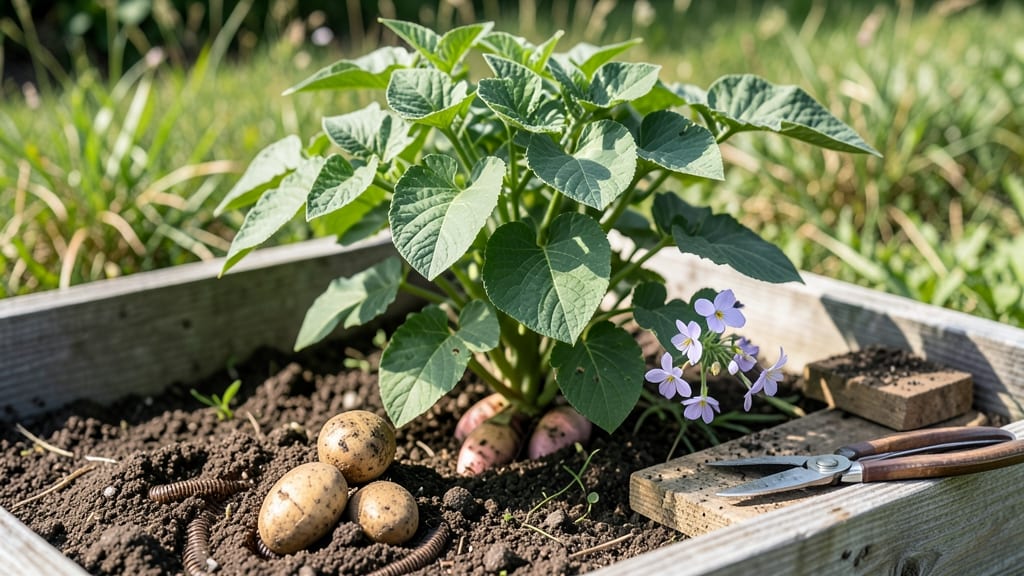
Plant potatoes in Zone 7 when the soil reaches 45–50°F and stays frost-free, typically 4–6 weeks before your last spring frost (around mid-March to early April).
Get this timing wrong, and you’ll either lose your crop to frost or invite pests like the dreaded Colorado potato beetle. But nail it, and you’re looking at a high-yield harvest with minimal effort—and maybe even a second crop in late summer!
Zone 7’s mild winters and warm summers mean you can stretch your planting window further than in colder zones. Early varieties can go in as soon as the ground is workable, while late-season types benefit from a fall planting for a harvest before the first frost.
Below, I’ll break down the exact dates, soil prep tips, and variety choices to maximize your 🥔 harvest—plus how to spot (and avoid) the most common mistakes that ruin potato crops.

Optimal planting windows for potatoes in Zone 7: soil temperatures and frost dates
Timing your potato planting in Zone 7 is all about balancing soil temperatures, frost dates, and your local microclimate. Unlike cooler zones, Zone 7's 45-50°F soil threshold and variable frost patterns create a narrow window for success.
Plant too early, and frost will damage tender sprouts; too late, and pests like Colorado potato beetles will move in. Let's break down the exact timing you need for early, mid-, and late-season varieties.
Most Zone 7 gardeners aim to plant potatoes 4-6 weeks before the last frost date, but this varies by sub-region. For example, Virginia's coastal areas may see frost as late as April 20, while Kansas' inland plains typically hit April 10.
Always check your local frost maps and adjust accordingly. The key is planting when soil temps hit 45°F consistently—this ensures roots establish before summer heat arrives.
Soil temperature is more critical than air temperature for potatoes. Use a soil thermometer to verify readiness—50°F is ideal for planting. If your soil is still cold, wait even if the calendar says spring. Cold soil slows germination and invites rot diseases. Pro tip: Black plastic mulch can warm soil by 5-10°F, giving you an earlier start in cooler microclimates.
| Planting Window | Soil Temp Threshold | Last Frost Date | Variety Type | Regional Adjustment |
|---|---|---|---|---|
| Early March | 45-50°F (with mulch) | Before April 1 | Early (e.g., 'Red Norland') | Coastal Zone 7 (e.g., Norfolk) |
| Mid-March | 50°F+ consistently | April 1-15 | Mid-season (e.g., 'Yukon Gold') | Inland Zone 7 (e.g., Raleigh) |
| Late March | 50°F+ (no mulch) | After April 15 | Late (e.g., 'Russet Burbank') | Dry inland (e.g., Wichita) |
| Early April | 55°F+ (second crop) | N/A (fall planting) | All (e.g., 'Kennebec') | High-altitude Zone 7 (e.g., Denver) |
For early-season varieties, like 'Red Norland', plant in early March if your soil warms quickly.
These potatoes mature in 70-90 days, so you’ll harvest just as summer pests peak. Mid-season types, such as 'Yukon Gold', thrive with mid-March planting and give you a 90-110 day harvest window—perfect for avoiding late-spring frosts. Late-season varieties, like 'Russet Burbank', need late March starts to mature by first frost in October.
Zone 7’s microclimates can shift planting by 2-3 weeks. If you live near large bodies of water (like Virginia’s Chesapeake Bay), expect cooler, delayed springs—wait until mid-March even for early varieties.
Conversely, urban heat islands (e.g., Kansas City) may let you plant 2 weeks earlier. Always observe your garden’s natural patterns for 2-3 years to refine your schedule.
Don’t overlook second-crop potatoes! Plant a second batch in early April for a late-summer harvest. Choose fast-maturing varieties (e.g., 'Early Rose') and hill soil around stems to protect tubers from late-season heat stress.
This strategy extends your harvest into October, beating Colorado potato beetles that thrive in summer’s peak.
To calculate your exact window, note your last frost date and subtract 4-6 weeks. Then, verify soil temps with a thermometer—50°F is non-negotiable. If your soil stays cold, use black plastic mulch or plant
How to avoid common mistakes that ruin potato harvests in Zone 7
Timing is everything when planting potatoes in Zone 7, and even a few weeks off can turn a bountiful harvest into a disappointing one. The biggest mistakes I see are planting too early (risking frost damage) or too late (inviting pests like Colorado potato beetles).
Let’s break down how to spot these pitfalls before they ruin your crop.
One red flag is soft, cold soil when you plant—this means your potatoes won’t sprout properly. Another warning sign is sprouts emerging before the last frost, which will freeze and die. These mistakes aren’t just about timing; they’re about understanding your local microclimate and soil conditions.
Cold soil (below 45°F) – Use a soil thermometer to check
Frost warnings – Avoid planting 4-6 weeks before last frost
Sprouts appearing early – They’ll freeze and rot if frost hits
Slow germination – Takes 2-3 weeks in ideal conditions
If you plant too late, you’ll face another set of problems. Late plantings in Zone 7 often coincide with warmer nighttime temperatures, which attract pests like the Colorado potato beetle.
These beetles thrive in hot, dry conditions, so planting after mid-April increases your risk. Watch for yellowing leaves or chewed foliage—these are classic signs of an infestation.
To avoid these issues, I recommend using a post-planting checklist. First, test your soil pH (aim for 5.0-6.5). Next, add compost to improve drainage and fertility.
Finally, mulch heavily to retain moisture and suppress weeds. These steps create the perfect environment for your potatoes to thrive without inviting pests or frost damage.
Another critical mistake is ignoring soil moisture. Potatoes need consistent watering, especially during tuber formation. Let the top 2 inches of soil dry out between waterings, but never let it become bone-dry.
Overwatering can lead to diseases like blight, while underwatering causes small, misshapen tubers. Strike that balance, and you’ll see a big difference in your harvest.
By avoiding these common mistakes—planting at the right time, monitoring soil conditions, and protecting against pests—you’ll set yourself up for a healthy, high-yield potato crop in Zone 7. Pay attention to these details, and your garden will thank you with a bountiful harvest come summer! 🥔