
Plants
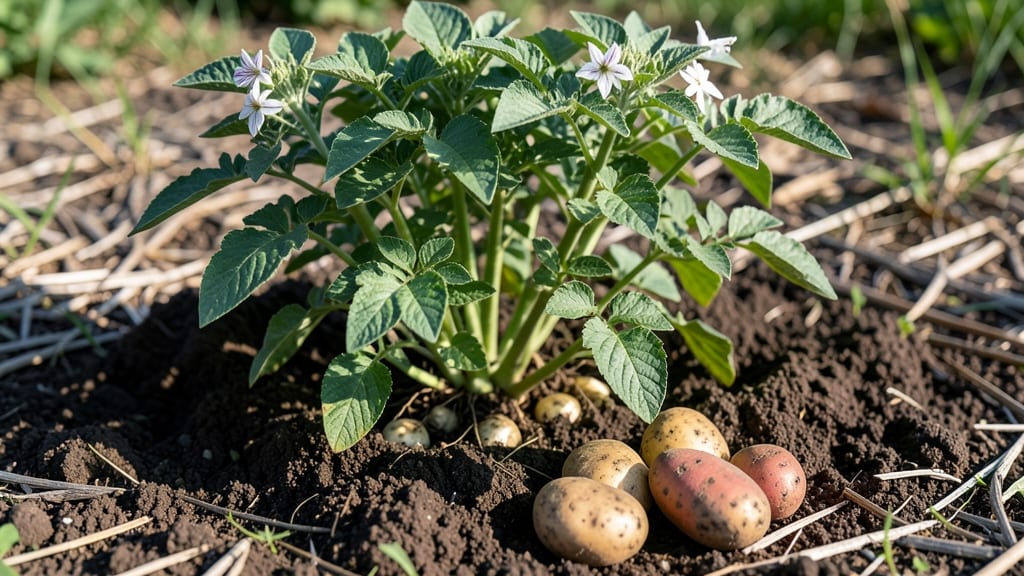
Plant potatoes in Zone 9 between late October and early March to beat the heat and maximize your harvest—this is the exact window that works for fastest growth and avoids common mistakes.
If you're growing potatoes in Zone 9, timing is everything—plant too early and they’ll rot in the heat, too late and you’ll miss the harvest window. Here’s the exact planting schedule to maximize yield and avoid common mistakes.
Zone 9’s mild winters mean no frost, but the key is cooler temperatures—aim for daytime highs below 75°F. This keeps the soil from overheating and gives your 🥔 tubers the best chance to develop.
Below, I’ll break down the best months for planting, how to choose heat-tolerant varieties, and the 3-step soil prep that makes all the difference in your Zone 9 garden.

Best planting months for potatoes in Zone 9: a month-by-month breakdown
Growing potatoes in Zone 9 requires precision—unlike cooler climates, you can’t just plant in spring and expect success. The key is timing your seed potatoes to avoid heat stress and soil rot, which are major risks when daytime temps climb above 75°F.
In my Southern California garden, I’ve learned that planting too early means soggy tubers, while planting too late cuts harvest time short.
Zone 9’s mild winters and long growing season create a unique window for potato cultivation. Unlike northern zones, you can plant twice a year: once in fall/winter for a spring harvest, and again in early spring for a summer crop.
The difference? Soil temperatures and daylight hours. Let’s break it down by month to ensure you nail your planting schedule.
In November and December, you’ll find the sweet spot for planting potatoes in Zone 9. These months offer cool soil temperatures (ideal for tuber formation) while avoiding the extreme heat that arrives by late spring.
I’ve had my best yields planting Red LaSoda in early December—its heat tolerance gives it an edge over other varieties when temps start climbing.
For those in coastal Zone 9 (like San Diego or Los Angeles), you can push planting into early January thanks to milder winters. However, inland areas like Phoenix or Tucson should stick to November to avoid unexpected cold snaps.
Always check your local microclimate—a valley garden may stay cooler longer than a hillside plot.
If you’re aiming for a summer harvest, plant in February—but only if you’re prepared to provide afternoon shade and consistent moisture. I once tried planting in March and lost half my crop to heat stress within weeks.
The lesson? Soil temperature matters more than air temperature—always test it with a soil thermometer before planting.
One critical mistake I see in Zone 9 gardens is planting too late and then rushing the harvest. Potatoes need 90-120 days to mature, so if you plant in March, you’ll be harvesting in late June or July—right when temps soar.
Instead, plan for a spring harvest by planting in fall or early winter and enjoy your crop
How to time your potato planting for maximum yield in Zone 9 heat
Growing potatoes in Zone 9 requires careful timing—skipping the heat stress window (above 75°F) means poor yields or rot. The key is planting during cooler months when soil temps stay below 65°F.
I’ve learned that November through February offers the sweet spot for most varieties, but microclimates like desert areas may need adjustments.
To extend your growing season, I recommend chilling seed potatoes for 4-6 weeks before planting. Store them in a cool, dark place (like a fridge crisper) to simulate winter conditions.
This trick helps prevent premature sprouting and bolting when temps finally warm up. Pair this with shade cloth (30-50%) during peak afternoon sun to protect young plants.
For heat-tolerant varieties, I always choose Yukon Gold or Red Pontiac—they handle Zone 9’s mild winters better than traditional russets. These varieties also resist disease pressure common in humid Zone 9 summers. Avoid early-maturing varieties like Kennebec unless you’re planting in high-elevation microclimates where temps drop faster.
🌱 Critical Timing Tips for Zone 9 Potatoes
- 1 Plant in November-December when soil temps are 55-65°F—ideal for tuber formation without heat stress.
- 2 Use shade cloth (30-50%) during February-March to prevent bolting as temps rise toward 70°F.
- 3 Harvest by June—aim for 90-120 days to maturity. Late plantings in March risk heat stress before harvest.
- 4 Mulch heavily with straw or grass clippings to maintain even soil moisture and prevent cracking tubers in fluctuating temps.
- 5 Avoid planting after March—tubers will bolt (flower) instead of storing energy, reducing yield by 50%.
One common mistake I see is overwatering during Zone 9’s dry spells. Potatoes need consistent moisture, but soggy soil leads to rot. I water deeply every 5-7 days at dawn, then mulch to lock in humidity.
For container growing, use self-watering pots with well-draining mix—this prevents root zone overheating.
If you’re in a coastal Zone 9 (like Southern California), you can push planting into early April using drip irrigation and afternoon shade. But inland areas should stick to November-February plantings.
Always test your soil pH—aim for 5.0-6.5—and amend with compost to improve drainage, which is critical in clay-heavy Zone 9 soils.
Finally, rotate crops annually to prevent disease buildup. I follow potatoes with beans or corn, which don’t share the same pests. With these adjustments, you’ll avoid bolting, disease, and poor yields—and enjoy a bountiful harvest even in the heat! 🌱