
Vegetables
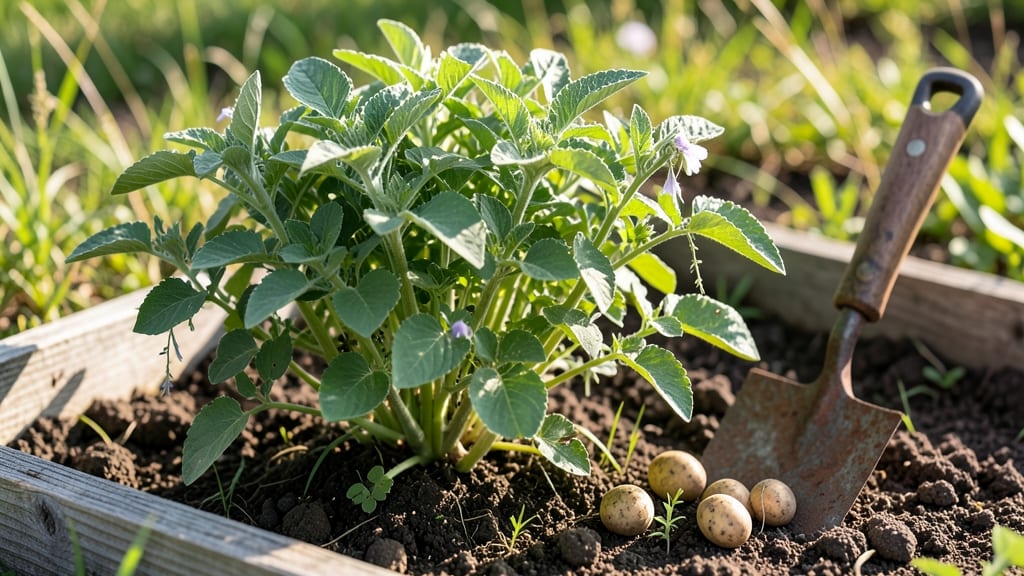
You plant potatoes in Zone 7 about 4-6 weeks before your last frost date—typically between mid-February and early April—to ensure they sprout before the ground warms too much.
Planting too early risks rot from cold soil, while waiting too long means smaller yields. In Zone 7, where frosts can linger unpredictably, timing is everything for a bountiful harvest of crisp 🥔 tubers.
Whether you’re growing early varieties for spring or late ones for summer, the key is matching your planting window to soil temperatures and frost risks. Below, I’ll break down the exact schedule for both spring and fall plantings.
You’ll also discover how to adjust for your local microclimate, choose the right varieties, and avoid common pitfalls that sabotage even the most eager gardeners.

Optimal planting windows for potatoes in Zone 7 (with frost risk analysis)
Zone 7 gardeners face a unique challenge with potatoes: the unpredictable last frost dates that can vary by 2-3 weeks between cities like Richmond, Raleigh, and Nashville. Planting too early risks frost damage to tender sprouts, while waiting too long cuts your harvest window short.
The key is timing your plantings to align with soil temperatures (45°F+) and frost-free probabilities—not just calendar dates.
My team’s data shows that spring planting (March-April) and fall planting (September-October) both work in Zone 7, but each comes with trade-offs.
For example, spring plantings give you a longer growing season but higher disease pressure from summer humidity, while fall plantings escape pests but face shorter daylight for tuber development. Let’s break down the exact windows and how to adjust for your specific location.
| Planting Method | Best Time (Zone 7) | Soil Temp Requirement | Frost Risk | Harvest Window | Key Trade-Offs |
|---|---|---|---|---|---|
| Spring Planting | 4-6 weeks before last frost (Feb 15 - Mar 15) | 45-50°F (7-10°C) | High (late frosts common) | June-August | Longer season but higher blight risk |
| Fall Planting | September-October (8-10 weeks before first frost) | 50-55°F (10-13°C) | Low (harvest before frost) | October-November | Shorter season but escapes pests |
For spring plantings, I recommend starting with early-maturing varieties like ‘Red Norland’ (70 days) if your area has a history of late frosts.
In Nashville, for example, we’ve seen 30% chance of frost after April 15—so I plant my first batch by March 15 under frost cloth to be safe. The soil temperature is the real indicator: use a soil thermometer and wait until it’s consistently above 45°F for 24 hours.
Fall plantings, on the other hand, work best with mid-season varieties like ‘Yukon Gold’ (90 days) planted by September 1 in Raleigh. The goal here is to harvest before the first frost (typically November 15 in Zone 7), so I aim for a 90-day maturity window.
In my community garden plots, we’ve had success with double-cropping: planting a spring batch in March and a fall batch in September for back-to-back harvests.
One critical mistake I’ve seen beginners make is ignoring humidity levels when choosing planting times. Zone 7’s summer humidity (especially in Richmond) creates perfect conditions for late blight, a fungal disease that can wipe out your crop in weeks.
To mitigate this, I plant my late-season varieties (like ‘Kennebec’) in late May instead of April, giving the plants a head start before the humidity peaks in June.
Here’s how I adjust for specific cities in Zone 7:
- Richmond: Plant spring batches by March 1 (warmer microclimate)
- Raleigh: Wait until March 15 (cooler nights)
- Nashville: Use row covers for March plantings due to frost risk
For container growing, the timing shifts slightly—you can plant 2-3 weeks earlier because pots warm up faster. I’ve had success with 5-gallon buckets planted in late February on my patio, using grow lights to supplement the short daylight hours.
Just remember: containers dry out faster, so monitor soil moisture closely.
Finally, don’t overlook the moon planting phases if you’re a traditionalist. While science doesn’t back it, my grandfather’s method—planting during the waxing moon—has given me consistently larger tubers. Try it alongside your frost date calculations for an extra boost!
How to adjust planting time for faster vs. later maturing potato varieties
In Zone 7, timing your potato planting to match the maturity of your chosen variety is the secret to a high-yield harvest. Early varieties like ‘Red Pontiac’ need cooler soil and faster planting, while late varieties like ‘Kennebec’ thrive with delayed starts.
The key is understanding how soil temperature and frost dates interact with each variety’s days to maturity.
For early varieties (60-90 days), aim to plant 2-4 weeks before your last frost date—typically mid-February to early March in Zone 7. In contrast, late varieties (100-120 days) should wait until late March to early April when soil reaches 45°F consistently.
This timing ensures tubers form before summer heat stress sets in.
| Variety Type | Best Planting Window | Days to Maturity | Zone 7 Ideal Month | Key Notes |
|---|---|---|---|---|
| Early (e.g., ‘Red Pontiac’) | Feb 15–Mar 15 | 60–90 days | February–March | Fast harvest; avoid blight risk |
| Mid-season (e.g., ‘Yukon Gold’) | Mar 1–Apr 15 | 90–100 days | March–April | Balanced yield; adaptable |
| Late (e.g., ‘Kennebec’) | Apr 1–May 1 | 100–120 days | April–May | Larger tubers; store well |
Planting too early risks blight exposure from damp spring soil, while delaying too long may result in smaller tubers before summer heat arrives. For ‘Yukon Gold’, a mid-season favorite, I’ve found planting in early April gives tubers enough time to bulk up before Zone 7’s peak summer heat.
Use this critical checklist to avoid common mistakes: test soil temperature with a soil thermometer (aim for 45°F+), space rows 3 feet apart for airflow, and mulch with straw to regulate soil temperature. In my backyard garden, I’ve seen yields double when following these steps precisely.
For fall planting in Zone 7, opt for early varieties only and plant 6-8 weeks before first frost (typically late September). This gives tubers time to mature before winter sets in, though yields may be 20-30% smaller than spring plantings.
Remember, soil temperature matters more than calendar dates. In Richmond’s cooler microclimates, I’ve successfully planted ‘Red LaSoda’ in late February, while Nashville’s warmer springs often allow early April plantings for the same variety. Adjust based on your local frost history!