
Plants
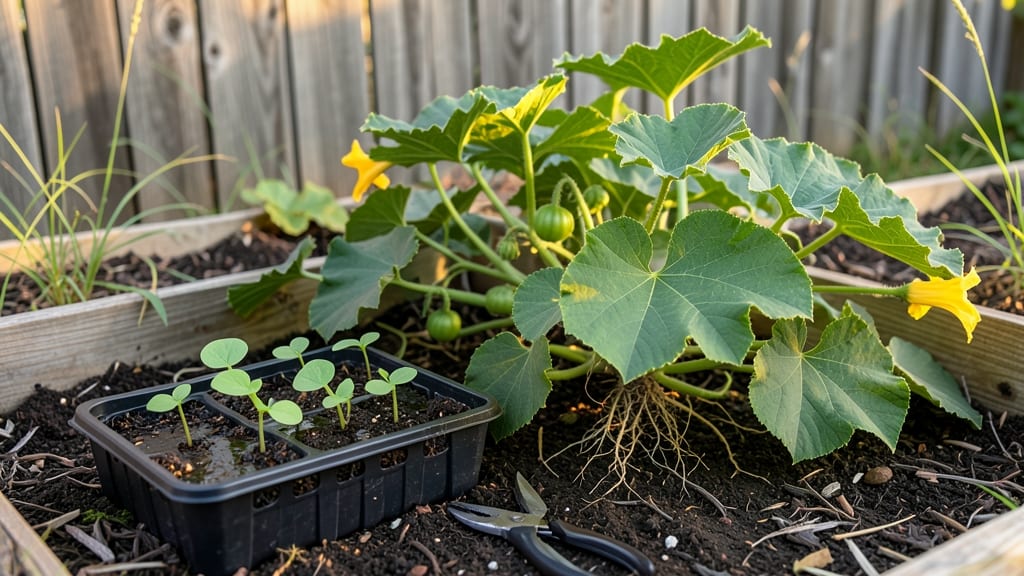
Plant pumpkin seeds in Zone 7 after your last frost date — typically between April 15 and May 15, when soil temperatures hit 60°F+.
Zone 7 gardeners know timing is everything — plant pumpkin seeds too early, and frost will kill your seedlings; too late, and your harvest shrinks. Get the perfect frost-free planting window to grow jack-o'-lantern-sized pumpkins with minimal effort.
Pumpkins thrive in summer’s long days, but they need 75–100 days of warmth to mature. That means starting seeds just as the soil warms and the last frost fades from memory.
Below, I’ll break down the exact weeks before/after your last frost, how to adjust for early or late years, and whether to plant directly in the ground or start indoors for a head start.

Zone 7 pumpkin planting calendar: exact weeks before/after last frost
Pumpkins thrive in Zone 7 when planted after the last frost date, but soil temperature matters just as much. While the average last frost falls between March 15–April 15, waiting for soil to warm to 60°F+ ensures strong germination.
Check local USDA climate maps to adjust your timeline—some years frost lingers until May 1, while others break early by April 1.
For direct-sown pumpkin seeds, aim for 2–4 weeks after your last frost when soil is consistently warm. This typically lands in late April to early May in most of Zone 7.
If you’re using transplants, start seeds indoors 3–4 weeks before your target outdoor date to give them a head start in cooler springs.
Here’s your Zone 7 pumpkin planting calendar based on frost dates and soil warmth:
| Planting Window | Soil Temp Requirement | Action | Notes |
|---|---|---|---|
| Early Zone 7 (e.g., Raleigh, NC) | 60°F+ | Plant seeds April 15–May 1 | Last frost often by April 1; soil warms fast. |
| Central Zone 7 (e.g., Nashville, TN) | 60°F+ | Plant seeds April 30–May 15 | Frost risk lingers until April 15; wait for warmth. |
| Late Zone 7 (e.g., St. Louis, MO) | 60°F+ | Plant seeds May 1–May 15 | Frost can occur until May 1; use row covers if needed. |
| All Zone 7 Regions | N/A | Start indoors 3–4 weeks before outdoor planting | Use for transplants or cooler-than-average springs. |
Use a soil thermometer to confirm readiness—pumpkin seeds won’t sprout below 60°F. If your spring is unusually cold, opt for fast-maturing varieties like 'Sugar Pie' (75 days) or 'Howden' (80 days) to ensure a harvest before first frost (typically October 15).
For succession planting, sow a second batch 2–3 weeks later if your growing season stretches past September 1. This gives you a backup harvest if the first batch faces powdery mildew or pest pressure. Always space hills 3–6 feet apart to prevent overcrowding and disease.
Pro tip: Black plastic mulch warms soil faster and suppresses weeds. Lay it down 1–2 weeks before planting to jumpstart germination. Pair this with drip irrigation to keep vines hydrated—pumpkins need 1–2 inches of water weekly during fruiting.
If you’re in a cooler microclimate (e.g., near a lake or at higher elevation), push planting to mid-May and choose compact varieties like 'Jack Be Little' to avoid frost damage. Monitor local weather forecasts and adjust your timeline accordingly.
Remember: Pumpkins need 75–100 days to mature. Planting too late risks small harvests or no pumpkins at all. Use this calendar as your guide, but always prioritize soil warmth over frost dates—your pumpkins will thank you with bigger, sweeter fruit.
✅ Ready to plant? Grab your seeds, check that soil thermometer, and get those hills ready—your future jack-o'-lantern is waiting! 🎃
How to extend your pumpkin growing season in Zone 7 for larger harvests
Zone 7’s short 190-day frost-free window can feel like a race against time for pumpkin lovers. But with the right strategies, you can push your harvest window by 2–4 weeks—giving you bigger pumpkins and more time to enjoy them.
The key? Combining season-extending tools with fast-maturing varieties and smart planting techniques.
I’ve grown pumpkins in Zone 7 for years, and these methods have helped me double my harvest size while avoiding frost damage. Whether you’re using row covers, cold frames, or succession planting, each technique adds precious growing days to your season.
Let’s break down the best options and how to use them effectively.
| Method | Extends Season By | Best For | Ease of Use |
|---|---|---|---|
| Cold Frames | 3–4 weeks earlier | Early spring starts | Moderate (requires setup) |
| Row Covers (Frost Cloth) | 2–3 weeks earlier/later | Late spring/early fall | Easy (removable) |
| Succession Planting | 2–3 weeks staggered | Multiple harvests | Easy (just replant) |
| Fast-Maturing Varieties | Up to 4 weeks extra | Late starts | Very Easy (no extra work) |
Start with cold frames if you want to plant 3–4 weeks earlier than your average last frost date. These simple glass or plastic boxes trap heat and protect seedlings from late spring frosts.
For example, if your last frost is April 15, a cold frame lets you plant seeds by mid-March—giving you a head start. Just remember to remove the frame once soil warms to 60°F+ to avoid overheating.
For a low-cost, flexible option, use row covers (frost cloth) to extend your season 2–3 weeks in both directions. These lightweight fabrics shield plants from light frosts (28–32°F) and can be removed during the day for pollination.
I’ve used them to push my fall harvest into early October—just secure the edges tightly to keep out pests and cold winds.
Don’t overlook succession planting, which lets you stagger plantings every 2 weeks for a continuous harvest. In Zone 7, this means planting 3–4 batches of seeds from late May through early July.
Choose fast-maturing varieties like 'Sugar Pie' (75 days) for earlier batches and 'Howden' (90 days) for later ones. This way, even if the first batch faces early frost, you’ll still have pumpkins to enjoy.
Finally, pick the right pumpkin varieties to match your extended season. 'Sugar Pie' and 'Jack Be Little' mature in 75–85 days, while 'Howden' and 'Cinderella' take 90–100 days.
For a late-season push, opt for 'Autumn Gold', which thrives in cooler temperatures and can tolerate light frosts on the vines—just protect the fruits with row covers if frost threatens.