
Plants
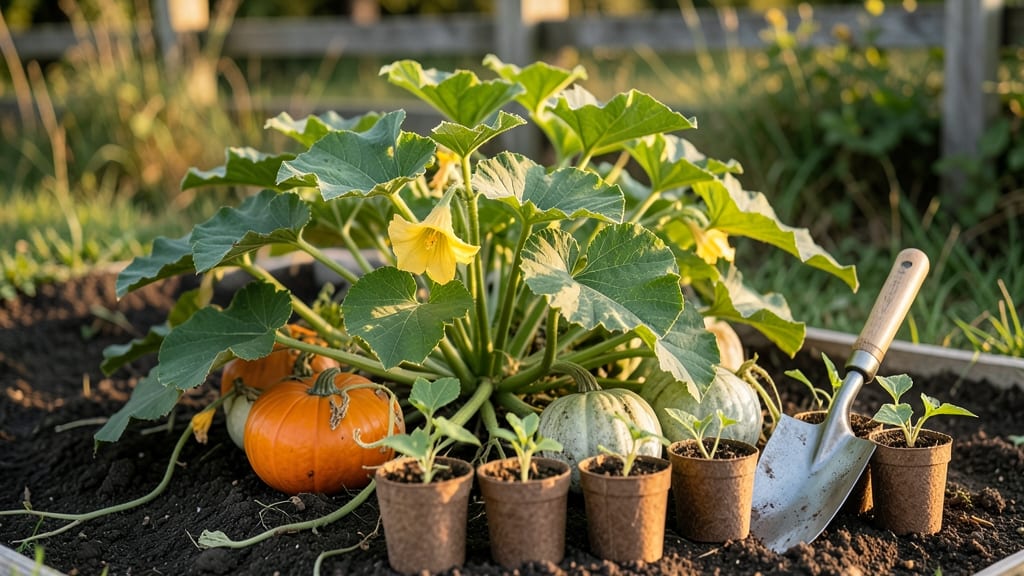
Planting pumpkins in Zone 7 after the last frost—around mid-April to early June—sets you up for a bountiful harvest 🎃.
Growing pumpkins in Zone 7 can be incredibly rewarding—but planting them at the wrong time means smaller harvests or even failed crops. Timing is everything, and missing the optimal window by even a few weeks can drastically reduce your yield.
Most pumpkin varieties need 90 to 120 days to mature, so starting too early risks frost damage, while late planting cuts the growing season short. The key is balancing soil warmth (at least 60°F) with frost-free days—aim for 180 days or more to ensure full-sized pumpkins by fall.
Below, I’ll walk you through the exact frost-free timeline for Zone 7, how to adjust for different pumpkin types, and the 3 biggest mistakes that ruin harvests—so you can avoid them.

Optimal pumpkin planting dates in Zone 7: frost-free timeline breakdown
In Zone 7, where the last spring frost typically hits around March 15 and the first fall frost arrives by November 15, timing your pumpkin planting is critical.
Pumpkins need a 90-120 day growing season to mature, so planting too early risks frost damage, while planting too late cuts your harvest short. The sweet spot? Starting seeds after the last frost when soil temperatures reach 60°F (15°C) or higher.
For Zone 7 gardeners, the ideal planting window spans from mid-April to early June, depending on your specific last frost date and pumpkin variety.
Early varieties like 'Jack-Be-Little' can be planted as soon as soil is workable, while larger varieties like 'Howden' need the full 120 days and should go in closer to late April or early May.
🌱 Pro Tip: Use a soil thermometer to confirm temperatures. Pumpkin seeds won’t sprout reliably below 60°F (15°C). If your soil is cooler, consider starting seeds indoors 4-6 weeks before your target outdoor date.
| Planting Window | Soil Temp Requirement | Days to Maturity | Frost Risk | Best Varieties |
|---|---|---|---|---|
| Mid-April | 60°F+ (15°C+) | 90-100 days | Low (after last frost) | 'Jack-Be-Little', 'Sugar Pie' |
| Late April | 60°F+ (15°C+) | 100-110 days | Very Low | 'Cinderella', 'Small Sugar' |
| Early May | 60°F+ (15°C+) | 110-120 days | Minimal | 'Howden', 'Long Island Cheese' |
| Early June (late option) | 60°F+ (15°C+) | 90 days max | Moderate (fall frost risk) | 'Early Golden', 'Waltham Butternut' |
If you’re planting in early April, use row covers or a mini greenhouse to protect seedlings from unexpected late frosts. Zone 7’s 180 frost-free days give you flexibility, but don’t push it—pumpkins planted after early June may not mature before the first frost in mid-November.
For succession planting, sow a second batch in late May if you have space. This extends your harvest window and ensures you get at least one full-sized pumpkin, even if the second batch is smaller. Just choose fast-maturing varieties (under 90 days) for this approach.
Direct sowing is ideal for pumpkins, but if you start seeds indoors, transplant seedlings outdoors 2-3 weeks after the last frost when they have 2-3 true leaves. Harden them off first by placing them outside in partial shade for a few hours daily to avoid transplant shock.
Watch for soil temperature fluctuations in spring. If nights dip below 50°F (10°C), delay planting until soil warms consistently. A soil thermometer is your best friend here—pumpkin seeds won’t germinate below 60°F (15°C), and slow germination invites pests and disease.
Once planted, maintain consistent moisture—pumpkins need 1-2 inches of water weekly, especially during flowering and fruiting. Mulch around plants with straw or grass clippings to retain moisture and keep roots cool, which is especially important in Zone 7’s hot summers.
Plan your pumpkin patch with spreading vines in mind. Give each plant 2-3 feet of space in all directions, or use hill mounds to improve drainage and airflow. This reduces the risk of powdery mildew, a common issue in Zone
How to adjust pumpkin planting for Zone 7 microclimates and varieties
Zone 7 gardeners face unique challenges when growing pumpkins, from late spring frosts to localized heat pockets. Not all pumpkin varieties thrive equally—giant varieties like 'Atlantic Giant' need extra time, while smaller types like 'Jack-Be-Little' adapt better to shorter seasons.
Microclimates matter too: a south-facing slope warms faster than a shady valley, altering planting windows by weeks.
Your first decision: direct sowing vs. transplanting. Seedlings struggle in Zone 7’s cool springs, so most gardeners prefer planting seeds 1 inch deep after soil reaches 60°F. Transplanting is riskier—pumpkins resent root disturbance—but can work for late varieties if started indoors 4-6 weeks before last frost.
| Factor | Small Varieties (e.g., 'Jack-Be-Little') | Medium Varieties (e.g., 'Sugar Pie') | Giant Varieties (e.g., 'Atlantic Giant') |
|---|---|---|---|
| Planting Window | Late April–May | Mid-April–early June | Early April (transplant) or late March (indoors) |
| Spacing | 3–4 ft apart | 4–5 ft apart | 8–10 ft apart (or trellis) |
| Succession Planting | Yes (every 2 weeks) | Yes (every 3 weeks) | No (long season needed) |
| Frost Risk | Low (fast maturity) | Moderate | High (needs row covers) |
For extended harvests, try succession planting. Sow small varieties every 2 weeks from late April through May—this spreads out your 90-day harvest window.
Medium varieties handle 3-week intervals, while giants require one massive start in early spring. Use black plastic mulch to warm soil faster in cool microclimates.
Zone 7’s unpredictable late frosts demand flexibility. If frost threatens after planting, cover seedlings with frost cloth or a cold frame. For giant varieties, delay planting until mid-May—they’ll still mature by October if soil stays warm.
Test soil temperature with a thermometer; pumpkin seeds need 70°F+ to germinate reliably.
Don’t overlook soil conditions. Pumpkins thrive in loamy, well-draining soil with a pH of 6.0–7.0. Amend heavy clay with compost and sand, and raise beds in poor-draining areas. Add a 5-10-10 fertilizer at planting, then side-dress with compost tea when vines flower to boost fruit development.
With these adjustments, you’ll turn Zone 7’s challenges into bountiful harvests. Start with small varieties for confidence, then experiment with giants once you’ve mastered timing. Happy growing—your future jack-o’-lanterns will thank you! 🎃