
Plants
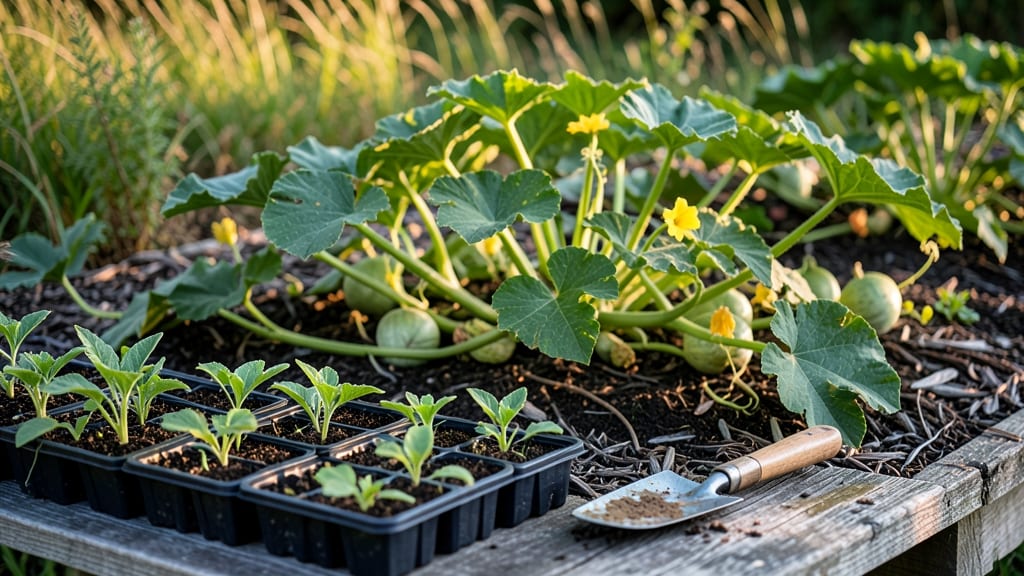
Planting pumpkins in Zone 5 after the last frost — typically mid-May to early June — sets the stage for a thriving harvest 🎃.
Timing your pumpkin planting in Zone 5 can mean the difference between a bountiful harvest and a disappointing flop. Get it wrong, and you risk frost damage or stunted growth, but with the right soil temperature triggers, you can maximize your chances of success.
Most gardeners in Zone 5 wait until the soil warms to at least 60°F before planting, which usually aligns with the last frost date. This ensures strong root development and faster germination, especially for varieties like 'Howden' or 'Jack Be Little' that thrive in cooler conditions.
In this guide, I’ll break down the ideal planting window, soil temperature tips, and how to adjust for unpredictable weather—so you can grow pumpkins that spread wide and produce plentiful fruit.

Optimal soil temperature ranges for planting pumpkins in Zone 5
Pumpkins thrive when planted in warmed soil, but Zone 5’s cool springs can delay planting if you don’t time it right. The minimum soil temperature for pumpkin seeds is 50°F, but ideal germination occurs between 60°F and 90°F.
Waiting for warmer soil prevents seed rot and ensures faster sprouting.
In Zone 5, the last spring frost typically occurs around mid-May, but soil temperatures lag behind air temperatures. This means you shouldn’t rush to plant—cold soil can stunt growth or kill seedlings. Always check soil temps before planting to avoid disappointment.
A soil thermometer is your best tool for precision. Stick it 2 inches deep in the soil (where seeds will be planted) and wait 30 minutes for an accurate reading. This mimics the depth where seeds will germinate and gives you real-time data.
For direct sowing, aim for soil temps between 60°F and 70°F. This range balances germination speed and disease risk. If your soil is still below 60°F, consider starting seeds indoors or using black plastic mulch to warm the soil faster.
Transplants, if used, can tolerate slightly cooler soil (55°F to 60°F), but they’ll grow more slowly. Hardened-off seedlings from indoors adapt better to cooler conditions, making them a safer bet for early Zone 5 plantings.
| Planting Method | Optimal Soil Temp | Zone 5 Planting Window | Risks of Early Planting |
|---|---|---|---|
| Direct Sowing | 60°F–70°F | Mid-May to early June | Seed rot, slow germination |
| Transplanting | 55°F–60°F | Late April to mid-May | Stunted growth, frost damage |
| Indoor Start | 65°F–75°F (indoors) | 4–6 weeks before last frost | Transplant shock if too large |
| Black Plastic Mulch | 50°F–60°F (with mulch) | Early May (2 weeks earlier) | Overheating if no irrigation |
If your soil is below 50°F, even with mulch, pumpkin seeds won’t germinate. Use a clear plastic tunnel or row covers to raise soil temps by 5°F–10°F if you’re eager to plant early. Monitor temps daily—fluctuations can stress seedlings.
Late plantings (after early June) risk smaller pumpkins or immature fruit before frost. Choose fast-maturing varieties like ‘Jack Be Little’ (55 days) if you’re pushing the season. These tolerate cooler soils better than large varieties.
Test your soil’s moisture retention alongside temperature. Pumpkin seeds need consistent moisture to germinate, but soggy soil causes rot. Aim for damp (not wet) conditions when planting—water deeply before sowing to settle the soil.
Keep a planting journal to track soil temps and outcomes. Note when your local last frost date varies from the average, as climate shifts can delay or advance it. Adjust your schedule yearly based on your records for reliable harvests.
Step-by-step guide: when and how to plant pumpkins in Zone 5
Planting pumpkins in Zone 5 requires precise timing to avoid frost damage and ensure healthy growth. The key is waiting until after your last frost date (typically mid-May) and ensuring soil temperatures reach at least 60°F.
This balance gives your pumpkin seeds the warmth they need to sprout without risking early cold snaps.
For Zone 5, the ideal planting window is mid-May to early June. This timing aligns with soil warming trends and gives pumpkins enough time to mature before the first frost in mid-October.
Varieties like 'Howden' (small, sweet) or 'Jack Be Little' (compact) are perfect for this climate, as they mature faster and handle cooler temperatures better than larger varieties.
📋 Step-by-Step Pumpkin Planting Guide for Zone 5
- Step 1: Test soil temperature with a soil thermometer. Aim for 60°F+ at a depth of 2 inches. If colder, wait 1-2 weeks or use black plastic mulch to warm the soil faster.
- Step 2: Prepare planting mounds 4-6 feet apart (vines spread widely!). Each mound should be 12-18 inches tall and 3 feet wide to improve drainage and warmth.
- Step 3: Plant seeds 1 inch deep, 3-4 seeds per mound. Space seeds 12 inches apart within the mound. Thin to the strongest seedling after sprouts appear.
- Step 4: Amend soil with compost or aged manure (1-2 inches mixed into the top 6 inches). Pumpkins thrive in well-draining, fertile soil with a pH of 6.0-6.8.
- Step 5: Water deeply after planting (1-2 inches of water) and keep soil consistently moist but not soggy. Use drip irrigation to avoid wetting leaves, which reduces disease risk.
- Step 6: Use companion plants like bush beans or nasturtiums to deter pests. Avoid planting near potatoes or squash, which can compete for nutrients.
- Step 7: Monitor for pests like squash bugs or powdery mildew. Apply neem oil or row covers if needed. Harvest before the first frost to ensure pumpkins ripen fully.
One common mistake in Zone 5 is planting too early when soil is still cold. If you plant in April or early May and temperatures dip below 50°F, seeds may rot or fail to sprout. Always check a 7-day forecast and soil temperature before planting to avoid this pitfall.
If you’re worried about late frosts, consider starting seeds indoors 2-3 weeks before the last frost and transplanting seedlings after soil warms. Use biodegradable pots to minimize root disturbance. For direct sowing, stick to the mid-May to early June window for the best results.
With the right timing and care, your Zone 5 pumpkins will thrive and produce abundant, healthy fruit—just in time for fall harvests and festive decorations! 🎃