
How To
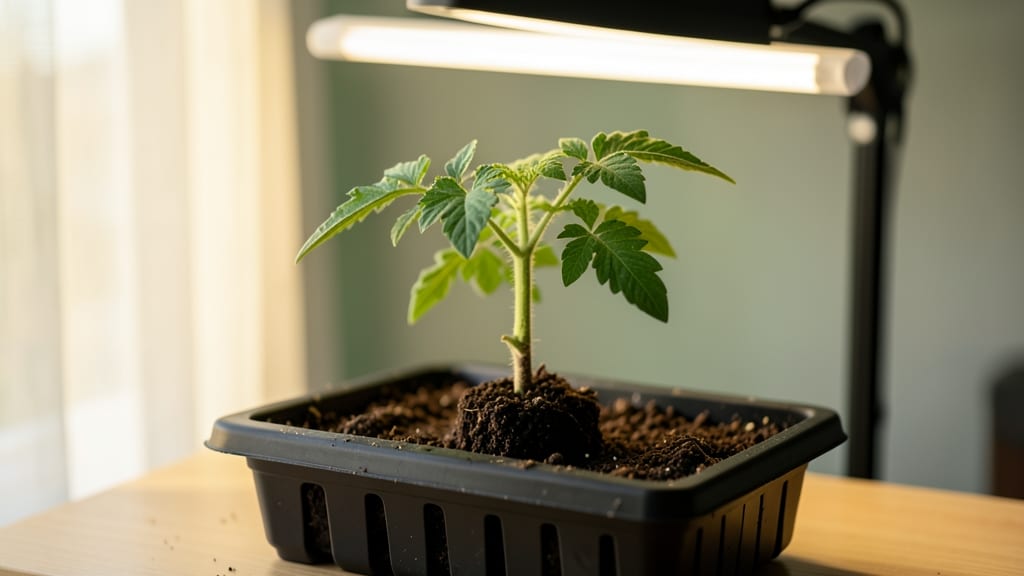
Starting tomato seeds indoors in Zone 7 6–8 weeks before your last frost (around early February) is the key to beating the heat and getting a jump on the season.
Picture this: you’ve got 6-foot tomato plants laden with fruit by June, while your neighbor’s late starts are still struggling in the heat. The difference? Timing. A few weeks too early or too late can leave you with leggy, weak seedlings or a harvest that never materializes.
Zone 7’s unpredictable springs make this even trickier—northern areas like Lynchburg might have a late frost in April, while southern spots like Raleigh could be frost-free by March.
I’ll break down the exact dates, how to adjust for your microclimate, and the fastest way to grow sturdy seedlings ready for transplant.
From temperature control to lighting hacks, you’ll learn how to turn your seed-starting window into a game-changer for your tomato harvest.
Zone 7 tomato seed starting dates: calculate your exact indoor planting window
Timing your tomato seeds indoors in Zone 7 requires precision—plant too early, and seedlings outgrow their containers; too late, and your harvest arrives after summer’s peak. The 6-8 week rule before your last frost date is your baseline, but Zone 7’s temperature variations and germination rates demand a tailored approach.
For most of Zone 7, where the average last frost falls between April 15 and May 1, your ideal indoor planting window opens in late February to early March.
Why? Tomato seeds germinate fastest at 75–85°F, but seedlings thrive at 60–70°F during the day and 55–60°F at night. If your home stays warmer, start seeds 2–3 weeks earlier to avoid leggy, weak plants.
Conversely, cooler homes may need a delayed start or heat mat to speed germination. Let’s break down the exact dates and factors to consider for your location.
Your Zone 7 location plays a critical role in fine-tuning these dates. Northern areas of Zone 7 (e.g., Pittsburgh, PA or Chicago, IL) have later frosts, so lean toward the earlier start dates (late February).
Southern areas (e.g., Atlanta, GA or Raleigh, NClocal frost dates—the USDA Plant Hardiness Zone Map and Almanac’s Frost Calculator are reliable tools.
Tomato seeds germinate in 7–14 days under ideal conditions, but cooler homes may extend this to 2–3 weeks. To avoid delays, use a heat mat ($15–$25) or place seeds on top of your refrigerator (which stays warm).
Once sprouted, maintain 12–16 hours of light daily—a grow light is non-negotiable if your windows lack sunlight. Without enough light, seedlings stretch toward the light, becoming leggy and weak, which stresses them during transplanting.
Seedlings are ready to transplant outdoors when they have 4–6 true leaves (not cotyledons—the first two baby leaves) and a sturdy stem about 1/8-inch thick. This typically takes 6–8 weeks from sowing, but faster-growing varieties (like Early Girl) may be ready in 5 weeks.
Harden off seedlings by placing them outdoors for 2–3 hours daily in the week leading up to transplanting. Start with morning sun only, then gradually increase exposure to full sun and wind.
Pro tip: Stagger your plantings by 2 weeks to extend your harvest. For example, start a second batch in early March for a late-summer crop or a third
How to adjust tomato seed starting dates for early or late Zone 7 harvests
Zone 7 gardeners face unique challenges with unpredictable spring weather and shortened growing seasons in cooler years. Adjusting your tomato seed starting dates can mean the difference between a bountiful summer harvest and a disappointing one.
Whether you're aiming for early spring tomatoes or fall harvests, strategic timing is key.
For early harvests, I recommend starting seeds 8-10 weeks before your last frost date—often in late January or early February. This gives seedlings extra time to harden off and produce fruit before summer heat sets in.
Meanwhile, staggered plantings in late summer can extend your harvest into October or November before frost arrives.
If your seedlings outgrow their containers or face damping-off disease, don’t panic! Simply transplant them into larger pots and adjust your outdoor planting date accordingly. I’ve had success using 5-gallon buckets for late starts, giving seedlings room to develop strong root systems before transplanting.
For fall harvests, I recommend starting a second batch of seeds in mid-July to ensure they mature before the first frost. Choose heat-tolerant varieties like 'Celebrity' or 'Solar Fire' for better success in Zone 7’s late-summer heat.
Always monitor your local frost forecast and adjust your timeline if early cold snaps are predicted.
Pro tip: Keep a seedling journal to track growth stages and adjust future plantings. Note when you started seeds, transplanted outdoors, and when the first tomatoes ripened. This helps refine your strategy year after year for consistent success in Zone 7’s variable climate.