
Plants
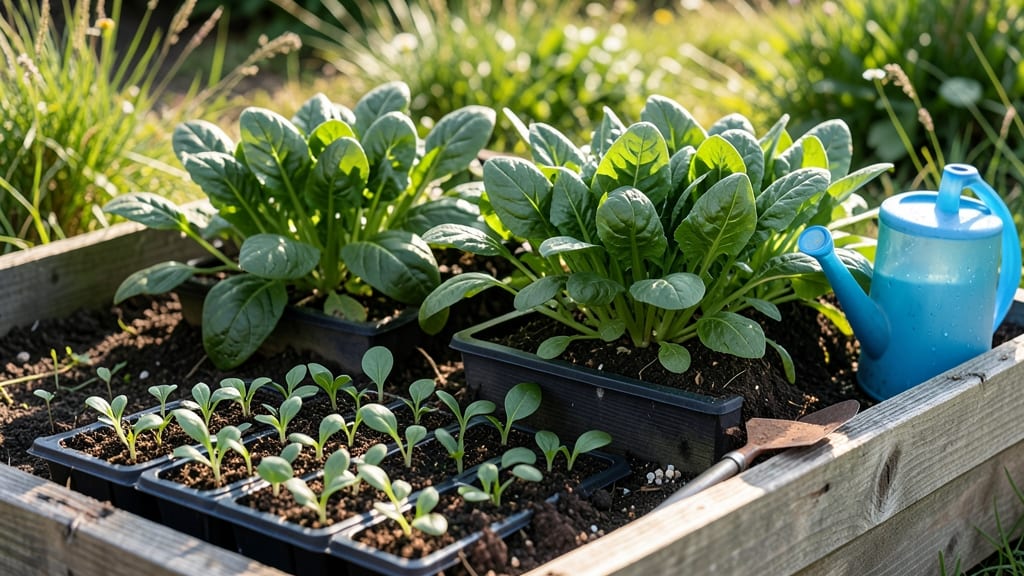
To plant spinach in Zone 6b, aim for 4-6 weeks before your last frost in early spring and 8-10 weeks before the first frost in late summer—timing that turns bitter leaves into sweet harvests.
Spinach grows best in cool weather, but planting it at the wrong time in Zone 6B can lead to bitter leaves or bolted plants—here’s the exact timing for maximum harvests.
If you’ve ever pulled up a sad, bolted spinach plant in June or watched your seedlings wilt in late summer heat, you know timing is everything. The key is planting early enough for a full harvest before the heat arrives, then repeating the process in fall for a second crop.
Below, I’ll walk you through the ideal planting windows for spring and fall, soil prep tips to keep your 🥬 thriving, and spacing tricks to avoid overcrowding—so you can enjoy fresh greens from April through October.

Best planting times for spinach in Zone 6B: spring vs. fall schedule
Spinach thrives in cool temperatures between 50°F and 75°F, making Zone 6B perfect for two harvests per year. Planting too early or late risks bolting (premature flowering) or stunted growth. My experience shows that timing is everything—get it right, and you’ll enjoy fresh spinach from spring to fall.
In Zone 6B, the last average frost date is around April 15, while the first frost typically arrives October 15. These dates create two ideal planting windows: early spring and late summer. Each window requires slightly different prep to maximize your harvest.
| Planting Window | Ideal Planting Time | Temperature Range | Days to Harvest | Key Notes |
|---|---|---|---|---|
| Spring | 4-6 weeks before last frost (Feb 20 - March 15) | 50°F - 65°F | 30-45 days | Use row covers for early starts |
| Fall | 8-10 weeks before first frost (Aug 1 - Aug 31) | 50°F - 70°F | 40-50 days | Choose heat-tolerant varieties |
For spring planting, start seeds indoors 4-6 weeks before your last frost date or sow directly in well-drained soil as soon as temperatures dip below 75°F. In Zone 6B, that means late February to mid-March. Use row covers if nights are still chilly to protect tender seedlings.
My spring harvests typically begin in late April, just as the weather warms. To extend the season, I succession plant every 2 weeks until mid-May, ensuring a steady supply of fresh leaves. This method works beautifully in raised beds or containers.
Fall planting offers a second harvest when summer heat fades. Aim to sow seeds 8-10 weeks before your first frost—early to late August in Zone 6B. Choose heat-tolerant varieties like 'Tyee' or 'Space' to handle late-summer warmth better.
Fall spinach grows slower in cooler weather, so expect harvests from late September through October. If frost threatens before you’re done, cover plants with lightweight row fabric to protect them for 1-2 weeks. This extends your harvest window significantly.
Both planting windows require consistent moisture—spinach hates dry soil. Water deeply 2-3 times per week, keeping the soil evenly moist but not soggy. Mulch with straw or grass clippings to retain moisture and suppress weeds, which is especially critical during spring’s variable rains.
One common mistake I’ve seen is planting spinach too early in spring when soil is still cold. If temperatures drop below 40°F, germination slows dramatically. Use a soil thermometer to confirm soil temps are above 45°F before sowing.
Similarly, planting spinach too late in summer risks bolting. If daytime temps exceed 75°F for more than a few days, spinach will bolt quickly. Fall plantings should target soil temps below 70°F for best results.
With these two strategic plantings, you’ll enjoy fresh spinach year-round in Zone 6B—no bitter leaves or wasted effort. Just remember: timing, temperature, and consistent care are your best friends in the garden. 🌱
How to avoid common spinach planting mistakes in Zone 6B
Spinach thrives in cool temperatures, but Zone 6B’s hot summers and variable frost dates can sabotage your harvest if you’re not careful. I’ve learned the hard way—skipping these key steps leads to bolting plants or stunted growth.
Let’s fix that by addressing the top mistakes gardeners make when planting spinach in this zone.
First, heat stress is your biggest enemy. Spinach bolts (goes to seed) when temperatures rise above 75°F. In Zone 6B, this happens fast after mid-May.
Even late spring plantings can fail if summer heat arrives early. I’ve seen entire rows of spinach turn bitter or flower prematurely because of this oversight.
⚠️ callout warning ⚠️
Zone 6B’s last frost date is around April 15, but spinach needs 4-6 weeks to mature before summer heat arrives. Planting after mid-April risks bolting before harvest. For fall, start seeds 8-10 weeks before first frost (early September) to avoid winter kill.
Pro Tip: Use shade cloth (30-50%) if planting in late spring to delay bolting.
Another common error is poor soil preparation. Spinach demands rich, well-draining soil with a pH of 6.5-7.0. I once planted spinach in heavy clay soil and watched my seedlings rot because water pooled around the roots.
Amend your beds with 2-3 inches of compost or aged manure before planting. A quick soil test can save you from this headache.
For continuous harvests, use succession planting. Instead of one big planting, sow seeds every 2 weeks in spring and 3 weeks in fall. This ensures you’re always harvesting fresh leaves. I’ve extended my spinach season by 6-8 weeks using this method, even in Zone 6B’s short growing windows.
Finally, overcrowding stunts growth. Space seedlings 4-6 inches apart in rows 12-18 inches apart. Thin seedlings to avoid competition for nutrients. I’ve seen spinach grow 3x faster when properly spaced, with larger, more tender leaves. Don’t skip this step—it’s worth the extra effort!
By avoiding these mistakes—late spring plantings, poor soil, heat stress, and overcrowdingsweet, tender spinach all season long. With the right timing and care, Zone 6B can be your spinach powerhouse! 🥬