
Plants
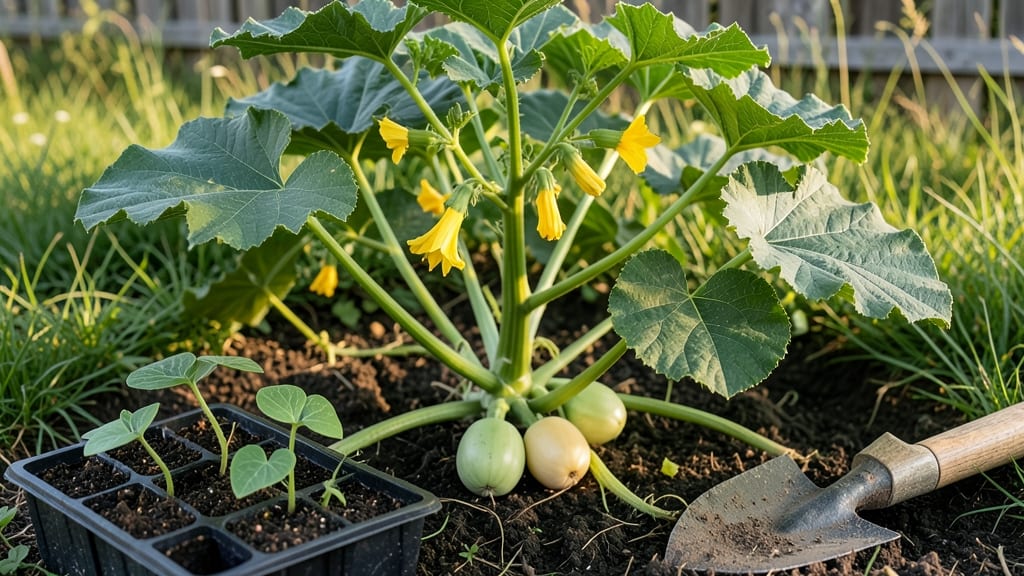
Planting squash in Zone 7 after your last frost date — around mid-April for most areas — is the secret to avoiding stunted vines and wasted effort.
Squash thrives in Zone 7’s warm climate, but planting too early or late can mean the difference between a bountiful harvest and wasted effort. Timing isn’t just about dates; it’s about soil warmth, frost risk, and squash varieties that perform best in your region.
Summer squash like zucchini and yellow squash need soil temperatures above 60°F to germinate, while winter squash varieties like butternut or pumpkins can handle slightly cooler starts. If you’re in the Piedmont region, aim for early May to avoid late frosts that can devastate young seedlings.
Below, I break down the exact planting windows for both summer and winter squash, how to adjust for your local microclimate, and the one trick that extends your harvest by two extra weeks without risking frost damage.

Optimal planting dates for squash in Zone 7 (by Variety)
Zone 7 gardeners enjoy a long growing season perfect for squash, but timing matters more than you might think. The last average frost date in most of Zone 7 falls around April 15, but soil temperature is the real game-changer.
Squash seeds need 60°F+ soil to germinate reliably—often 2-3 weeks after that final frost. Let’s break down the best planting windows for your favorite varieties to maximize yields.
Summer squash like zucchini and yellow squash are the fastest performers, ready in just 45-55 days. These heat-lovers thrive when planted 2-4 weeks after your last frost, typically mid-April to early May in most of Zone 7.
Winter squash (think butternut, pumpkins, and acorn) take longer—80-120 days—so they need an earlier start, often late March to mid-April under protection or early April when soil warms.
🌱 Variety matters just as much as timing. Bush varieties (like Bush Delicata) mature faster than vining types (like Long Island Cheese), so adjust spacing and planting dates accordingly. Below, you’ll find a clear breakdown of when to plant each type for Zone 7’s spring and fall windows, plus pro tips to avoid common mistakes.
| Variety Type | Best Planting Window | Soil Temp Requirement | Days to Harvest | Zone 7 Notes |
|---|---|---|---|---|
| Summer Squash (Zucchini, Yellow) | Mid-April to early May | 60°F+ | 45-55 days | Plant after last frost; succession plant every 2 weeks for continuous harvest. |
| Winter Squash (Butternut, Acorn) | Late March (under cover) or early April | 55°F+ | 80-100 days | Start seeds indoors 3-4 weeks before last frost for earlier harvests. |
| Pumpkins (Small Varieties) | Mid-April to late April | 60°F+ | 75-90 days | Choose compact varieties like Jack Be Little for smaller spaces. |
| Bush Squash (e.g., Bush Delicata) | Early April to mid-May | 60°F+ | 50-60 days | Ideal for small gardens; plant in hills for better drainage. |
| Vining Squash (e.g., Long Island Cheese) | Late April to early May | 60°F+ | 60-80 days | Trellis vines to save space; plant near fences or walls. |
| Fall Planting (All Varieties) | Late July to early August | 60°F+ | Varies by variety | Avoid planting too late—harvest before first frost (October 15). |
For Zone 7’s cooler early springs, consider using black plastic mulch or row covers to warm soil faster. These tricks can shave off critical weeks, letting you plant 2-3 weeks earlier than the average dates above.
I’ve had great success with butternut squash planted under row covers in late March—just remove covers once true leaves appear to prevent overheating.
Don’t overlook fall planting either! Many gardeners miss that Zone 7’s second growing window runs from late July to early August. Summer squash like zucchini can still produce well if planted by August 1, giving you a late-season harvest before the first frost.
Just be sure to choose disease-resistant varieties like Eight Ball zucchini to combat fungal issues in humid fall weather.
Pro tip: Test your soil temperature with a soil thermometer before planting—it’s the surest way to avoid waiting too long. Aim for 60°F for 10+ hours daily for consistent germination.
If your soil is still chilly, hold off even if calendar dates suggest it’s time. Patience here means stronger seedlings and fewer failed starts.
One common mistake I see is overcrowding seeds, especially with vining varieties. Give squash plants 2-3 feet of space in all directions—they’ll spread fast! For bush varieties, reduce spacing to 18-24 inches to maximize garden real estate.
And always plant in mounds or hills to improve drainage and reduce disease risk.
Finally, remember that Zone 7 isn’t uniform. Higher elevations (like the Appalachian fo
How to adjust planting for Zone 7’s microclimates and frost risks
Zone 7’s diverse microclimates can shift planting windows by 2-3 weeks depending on your location. The Piedmont region typically warms faster than the Appalachian foothills, so always check your local last frost date—not just the zone average.
For example, Asheville’s last frost often comes 10 days later than Raleigh’s.
Urban areas like Richmond or Charlotte can experience "heat islands" that warm soil 5-10°F faster than rural spots. Test your soil with a thermometer—squash seeds need 60°F+ soil to germinate.
If your yard runs cooler, opt for bush varieties like ‘Eight Ball’ zucchini, which mature faster than vining types.
⚠️ WARNING: Late frost risks in Zone 7 ⚠️
Pro Tip: Track 10-day forecasts on Almanac.com for your specific county. If frost warnings appear after planting, cover seedlings with burlap sacks or frost cloth—squash is more frost-tolerant than you think (50°F won’t kill it, but 40°F will stunt growth).
Extend your fall harvest by planting winter squash varieties like ‘Butternut’ or ‘Acorn’ in late July. These mature slower and handle cooler temps better than summer squash. In Appalachian foothills, aim for 90 days before first frost—so start seeds indoors by June 15 for a mid-October harvest.
For urban gardeners, container-grown squash benefits from heat-absorbing black pots or raised beds with compost. These warm up 3-5 days faster than in-ground soil. Place containers near south-facing walls or under trellises to trap heat. Just avoid reflective surfaces like pavement, which can scorch leaves.
Monitor historical frost data from NOAA’s Climate Normals for your area. For example, Roanoke’s average last frost is April 10, but 2022’s late frost hit May 5. Adjust your planting by 1-2 weeks later if your area has a history of unpredictable springs.
Hardier varieties like ‘Straightneck’ squash or ‘Delicata’ are better bets for high-risk zones.
Use succession planting to stagger harvests. Sow half your seeds in early May and the rest in late May. This ensures a continuous supply even if early plants fail. For vining types, train them along trellises to save space and reduce disease spread from ground contact.