
Plants
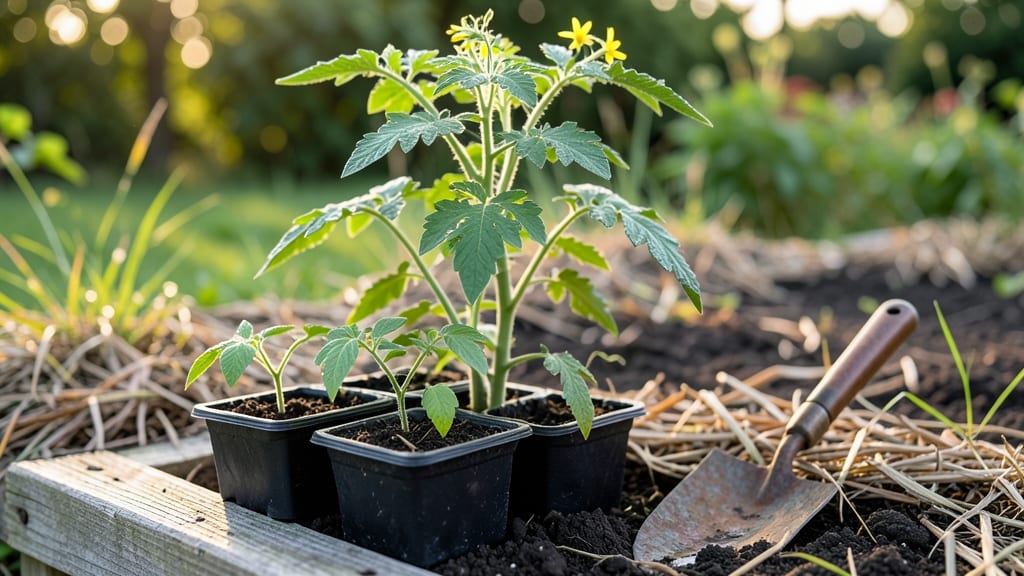
Planting tomatoes in Zone 6 after your last frost date — typically mid-April to early June — sets the stage for a harvest that stretches from June to October.
Here’s the catch: timing your tomato planting in Zone 6 can mean the difference between a bountiful harvest and wasted effort. Get it wrong, and you risk stunted growth, disease, or even total crop failure.
The key? Waiting until soil temperatures hit at least 60°F and nighttime temps stay above 50°F.
Why does this matter? Tomatoes are finicky about cold soil, and planting too early can slow root development, leaving them vulnerable to fungal diseases and frost damage. In Zone 6, where frost-free dates vary yearly, knowing the right window ensures your 🍅 plants grow strong and productive.
In this guide, I’ll break down the exact soil temperature triggers, how to adjust for early or late varieties, and smart techniques to extend your harvest well into fall—no guesswork required.

Zone 6 soil temperature triggers for planting tomatoes
Getting your tomato planting timing right in Zone 6 isn't just about avoiding frost—it's about understanding soil temperature triggers that directly impact root development and fruit production. Tomatoes thrive when soil stays consistently above 50°F (10°C), but true growth acceleration happens at 60°F (15°C) or warmer.
Planting too early in cold soil leads to poor germination, weak seedlings, and increased disease risk from damp conditions.
Most Zone 6 gardeners wait until mid-April to early June to plant tomatoes, but these dates vary yearly based on your last frost date and local microclimates. The key is monitoring soil temperature rather than just air temperature—roots need warmth to establish properly.
A soil thermometer becomes your most valuable tool for precision planting, especially in Zone 6's unpredictable springs.
Here's what you need to know about the critical soil temperature triggers for tomato planting in Zone 6:
| Stage | Soil Temp Requirement | Air Temp Requirement | Zone 6 Planting Window | Key Consideration |
|---|---|---|---|---|
| Seed Germination | 60-70°F (15-21°C) | 65°F+ (18°C+) | Late April-May | Direct sowing only if soil stays warm |
| Seedling Transplant | 50-55°F (10-13°C) | 55°F+ (13°C+) | Mid-April-June | Hardened seedlings tolerate cooler soil |
| Active Growth | 60°F+ (15°C+) | 65°F+ (18°C+) | May-July | Optimal flowering/fruiting conditions |
| Late Season Push | 55°F+ (13°C+) | 60°F+ (15°C+) | June-July | Use row covers for protection |
Many gardeners make the mistake of planting tomatoes as soon as the ground is workable, but Zone 6's early springs often bring false warmth. The 50°F (10°C) soil temperature minimum is crucial because below this, tomato roots struggle to absorb nutrients and water efficiently.
I've seen firsthand how plants transplanted into 45°F (7°C) soil develop yellowing leaves and stunted growth, even when air temperatures seem perfect.
For direct-sown tomatoes, wait until soil consistently reaches 60°F (15°C) during the day. This typically aligns with late April to early May in most of Zone 6, but always check with your local Cooperative Extension Service for precise frost-free date averages.
If you're transplanting seedlings, you can plant slightly earlier when soil hits 50°F (10°C), but only if your seedlings are hardened off and nighttime temperatures stay above 50°F (10°C).
Using a soil thermometer gives you precise data to make planting decisions. I recommend checking soil temperatures at 10 AM for the most accurate reading—this accounts for overnight cooling.
For early varieties like 'Stupice' or 'Mountain Merit', you might push planting to mid-April if soil warms quickly, but be prepared to use row covers for nighttime protection against unexpected frosts.
One common misconception is that air temperature alone determines planting time. While daytime air temperatures need to be 65°F+ (18°C+) for optimal growth, it's the soil temperature that truly dictates when roots can establish.
In my Zone 6b garden in Ohio, I've found that soil warms 2-3 weeks later than air temperatures in spring—a critical difference for tomato success.
For gardeners in Zone 6a (colder microclimates), consider starting tomatoes indoors in late February to early March and transplanting after the last frost when soil reaches 55°F (13°C).
This gives you a 4-6 week head start on the growing season. I've had great success with this method using heat mats to maintain consistent soil warmth during germination.
Remember that tomatoes are warm-season crops that won't tolerate frost at any growth stage. Even established plants can be damaged by temperatures below 50°F (10°C) at night.
Always have row covers or a cold frame ready for late spring planting to protect young plants from unexpected cold snaps that frequently occur in Zone 6 through May.
Best planting methods for Zone 6 tomatoes (direct sow vs transplant)
Deciding between direct sowing and transplanting tomatoes in Zone 6 depends on your timeline, variety, and local microclimate. Both methods work, but each has unique advantages.
I’ve grown both ways and found that transplanting gives me a 2-3 week head start on the season, while direct sowing reduces transplant shock for heat-loving varieties.
Zone 6’s unpredictable spring frosts make timing critical. If you choose direct sowing, wait until soil temps hit 60°F+ and nighttime temps stay above 50°F. For transplants, harden off seedlings gradually over 7-10 days to toughen them up before exposing them to cooler Zone 6 mornings.
Direct Sowing Tomatoes in Zone 6
- No transplant shock
- Better root establishment
- Ideal for heat-lovers (e.g., 'Brandywine')
- Slower maturity (2-3 weeks behind transplants)
- Risk of frost damage if planted too early
- Weed competition early on
Transplanting Tomatoes in Zone 6
- Earlier harvest (critical for short Zone 6 season)
- More variety options (e.g., 'Sungold' cherry tomatoes)
- Better control over seedling health
- Transplant shock risk if not hardened off
- Higher upfront cost (seedlings)
- Root damage during transplanting
For direct sowing, choose heat-tolerant varieties like 'Celebrity' or 'Better Boy,' which thrive when planted later in the season. I’ve had great success sowing seeds after Memorial Day when the risk of frost has passed.
Dig trenches 12 inches deep and plant 3-4 seeds per hole, thinning to the strongest seedling.
If you’re transplanting, opt for early-maturing varieties like 'Early Girl' or 'Stupice' to maximize your Zone 6 harvest window. Start seeds 6-8 weeks before your last frost date (typically early March) under grow lights.
Harden off seedlings by placing them outside for 1-2 hours daily, gradually increasing exposure over 7-10 days.
My top tip for Zone 6 gardeners: Use row covers or black plastic mulch to warm soil faster and protect young plants. This gives direct-sown tomatoes a better chance to catch up to transplants. I’ve seen 30% faster growth in covered beds compared to uncovered soil.
Regardless of method, mulch heavily after planting to retain moisture and suppress weeds. In Zone 6, consistent soil moisture is key—especially during the dog days of summer when tomatoes need 1-1.5 gallons of water per plant weekly. 🌱