
Plants
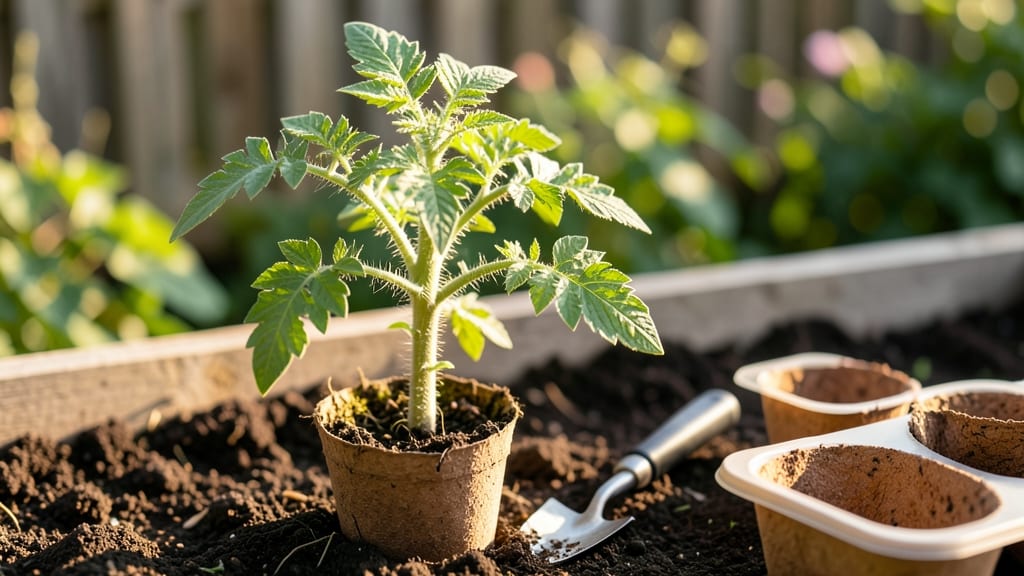
Planting tomatoes in Zone 6b after your last frost date — typically around April 15 — is the key to avoiding frost damage and setting up a bountiful harvest.
Timing is everything when growing tomatoes in Zone 6b—plant too early and risk frost damage, too late and miss peak harvest season. Follow this science-backed timeline to maximize yields and avoid common mistakes.
In Zone 6b, soil temperatures need to hit 60°F before transplanting, which usually aligns with late April to early May. Seeds, however, should wait until mid-May to give them enough warmth to germinate properly.
Below, I’ll walk you through the exact frost-free timeline, soil prep tips, and how to adjust your schedule for early vs. late tomato varieties to get the most out of your garden.

Zone 6B tomato planting timeline: frost dates and soil temperature guide
Getting your tomatoes in the ground at the right time in Zone 6B means the difference between a bumper crop and a sad, wilted disappointment. The average last frost date here falls around April 15, but that's just the starting point.
Soil temperature and microclimates play equally important roles in determining when to plant tomatoes successfully. I've learned the hard way that rushing seedlings into cold soil or waiting too long can both backfire spectacularly.
For most gardeners in Zone 6B, the ideal window for transplanting tomato seedlings is between late April and early May, once nighttime temperatures consistently stay above 50°F (10°C).
However, this timeline varies slightly depending on whether you're growing early varieties that tolerate cooler soil or late-season types that need warmer conditions to thrive. Let's break down the exact timing and soil preparation strategies that work best in our climate.
🌱 Key Insight: The magic number for tomato soil temperature is 60°F (15.5°C). Below this, roots struggle to establish, and seedlings may rot. Above 85°F (29°C), they'll bolt prematurely. Finding that sweet spot is crucial for Zone 6B gardeners.
| Planting Stage | Zone 6B Timeline | Soil Requirements | Key Considerations |
|---|---|---|---|
| Start Seeds Indoors | 6-8 weeks before last frost (early March) | Warmth: 70-80°F (21-27°C) | Use grow lights; keep soil moist |
| Hardening Off Seedlings | 2 weeks before transplant (late April) | Daytime: 60-70°F (15-21°C) | Acclimate to outdoor temps gradually |
| Transplant Early Varieties | Late April (after April 15) | Soil: 55-60°F (13-15°C) | Use black plastic mulch to warm soil |
| Transplant Standard Varieties | Early May (after May 1) | Soil: 60-65°F (15-18°C) | Wait for consistent 60°F+ soil temps |
| Direct Sow Seeds | Mid-May (after May 15) | Soil: 65-70°F (18-21°C) | Plant deeper (1/4 inch) for better germination |
| Late Succession Planting | Early June (for heat-tolerant varieties) | Soil: 70°F+ (21°C+) | Choose cherry or beefsteak types |
One strategy I've had great success with in Zone 6B is using black plastic mulch to warm the soil faster. Simply lay down the mulch 1-2 weeks before planting to raise soil temperatures by 5-10°F.
This gives you a longer planting window and helps prevent blossom end rot caused by temperature fluctuations. For early plantings, I also recommend choosing cold-tolerant varieties like 'Stupice' or 'Mountain Merit' that can handle cooler soil conditions.
If your soil is still too cold in early May, don't despair—you can still get a great harvest by planting heat-tolerant varieties like 'Solar Fire' or 'Heatmaster' in early June. These types thrive in the warmer soil and higher temperatures that come later in the season.
Just be prepared to provide extra shade cloth during our occasional 90°F+ (32°C+) heatwaves that can stress even the toughest tomato plants.
Pro tip: Always check your local microclimate. Areas near buildings or south-facing slopes may warm up faster than your average last frost date suggests. I've seen a 10-day difference in soil warming between my north-facing garden bed and my south-facing raised beds.
Use a soil thermometer to verify temperatures before planting—it's the most reliable way to avoid common mistakes.
Remember that tomatoes need 6-8 hours of sunlight daily, so choose your planting location carefully
How to adjust your planting schedule for early vs late varieties in Zone 6B
Zone 6B gardeners face a unique challenge: balancing early frost-sensitive varieties with cold-hardy tomatoes that thrive in cooler springs. The key lies in understanding each variety's temperature tolerance range and adjusting your planting schedule accordingly.
Early varieties like 'Stupice' or 'Mountain Merit' can handle cooler soil temperatures (55-60°F), while heat-lovers like 'Celebrity' or 'Better Boy' need warmer soil (65°F+) to establish roots.
My strategy involves staggered planting—starting with cold-hardy varieties 2-3 weeks before the last frost date (around April 15 in Zone 6B) and following with heat-tolerant types once soil warms. This extends your harvest window from July through October, ensuring fresh tomatoes all season long.
For example, I plant 'Stupice' (early) in late April and 'Better Boy' (late) in early May, giving both varieties optimal growing conditions.
Here’s how to decide which varieties to plant when:
Early Varieties (Cold-Hardy)
Thrives in 55-60°F soil
Faster maturity (60-70 days)
Lower risk of late blight
Limited heat tolerance
Shorter harvest window
Late Varieties (Heat-Tolerant)
Tolerates 90°F+ heat
Longer harvest season
Better for sauces/slicing
Slower to mature (75-90 days)
Higher risk of blossom-end rot
For succession planting, I recommend sowing a third batch of heat-tolerant seeds in late May or early June. This fills the gap between early and late harvests, especially if your first batch struggles with summer heat stress.
Choose varieties like 'Heatmaster' or 'Solar Fire' for this purpose—they’re bred to thrive in Zone 6B’s hot, humid summers and keep producing until frost.
Another trick I use is interplanting with fast-growing crops like bush beans or lettuce in the early tomato beds. Once the tomatoes mature, I remove them and replant with fall varieties like 'Cherry Tomato 'Sweet Million' in late July.
This keeps your garden productive and maximizes space. Just be sure to rotate crops annually to prevent soil-borne diseases.
Monitor your local microclimate—south-facing beds warm up faster than north-facing ones, and low-lying areas may stay cooler longer. Use a soil thermometer to check temperatures before planting; aim for 60°F for early varieties and 65°F+ for late ones.
If your soil is slow to warm, try raised beds with compost or cloche tunnels to give seedlings a head start.
By balancing early cold-hardy, mid-season, and late heat-tolerant varieties, you’ll enjoy a continuous tomato harvest from July through October—even in Zone 6B’s unpredictable climate. Start small with 2-3 varieties, track their performance, and adjust next year based on what thrives best in your garden. 🌱