
Plants
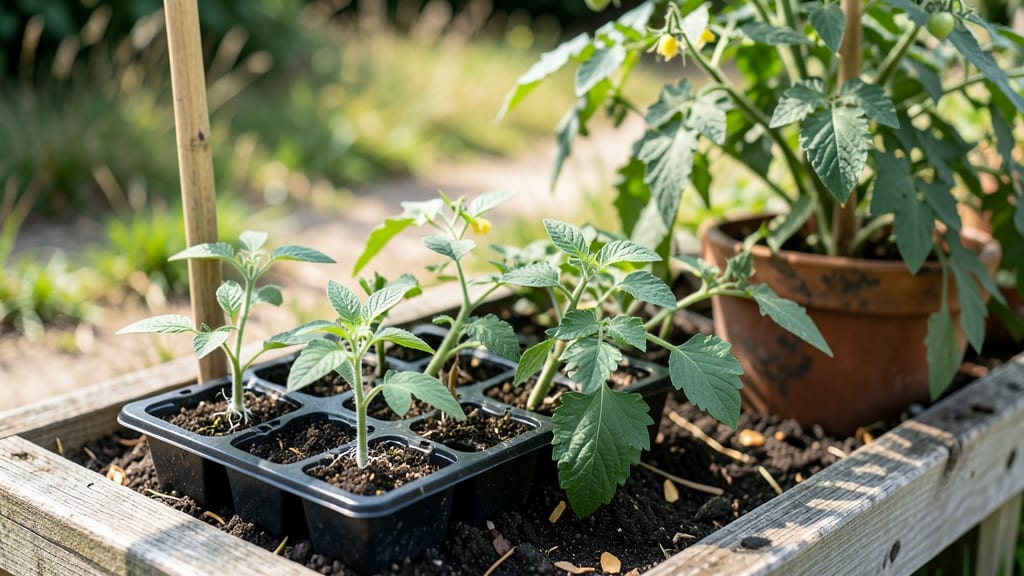
Planting tomatoes in Zone 8a means timing your transplants for late February to early March—just as the last frost threat fades and soil warms to 60°F (15°C).
If you’ve ever watched your 🍅 seedlings wilt after a surprise cold snap or struggled with blight from summer heat, you know how critical this window is. Miss it, and you risk stunted growth or a harvest that never materializes.
Zone 8a’s mild winters and long growing season give you flexibility, but the key is balancing frost risk with heat tolerance. Start seeds indoors 6–8 weeks before your target transplant date, or grab cold-hardy seedlings in early spring to beat the rush.
Below, I’ll break down the exact dates, soil prep secrets, and variety picks to turn your Zone 8a garden into a tomato powerhouse—from first fruit in June to late-season bounty in October.

Optimal tomato planting dates for Zone 8a: avoid frost and heat stress
In Zone 8a, where average last frost dates hover around January 15 and first frosts arrive by December 15, timing your tomato planting is critical. The 270 frost-free days give you a longer window than many zones, but heat-sensitive varieties still need precise scheduling to avoid stress.
Let’s break down the exact dates for seedlings vs. seeds and the soil temperature thresholds that determine success.
For transplanting seedlings, aim for February 15–March 15—this window ensures soil temperatures reach the ideal 60°F (15°C) while nighttime temps stay above 50°F (10°C). Starting indoors 6–8 weeks before transplanting (around January 1–January 15) gives seedlings a head start.
Heat-sensitive varieties like Cherokee Purple or Brandywine benefit most from early transplanting to avoid summer’s peak heat.
Direct-sowing seeds should wait until April 1–April 15 when soil is consistently 70°F (21°C) or warmer. Seeds germinate poorly below 55°F (13°C), so don’t rush—waiting for warmer soil prevents rot and slow growth.
If you’re in a cooler microclimate within Zone 8a, push back dates by 1–2 weeks to avoid early-season chill damage.
Here’s a quick reference for your planting schedule, including soil temp thresholds and frost risk:
Heat-sensitive varieties like Heirloom tomatoes (e.g., Black Krim) thrive when transplanted in early spring to avoid summer’s 90°F+ (32°C+) temps. These varieties often stop flowering when daytime temps exceed 85°F (29°C), so timing is everything.
For heat-tolerant types like Solar Fire or Heatmaster, you can push transplanting to late March or even early April without risking stress.
If you’re planting for a fall harvest, transplant heat-tolerant seedlings in mid-August to mid-September. Soil should stay above 65°F (18°C) for roots to establish before cooler temps arrive. Use row covers or black plastic mulch to extend the season by 2–3 weeks and protect against early frosts.
Pro tip: Use a soil thermometer to confirm temps before planting—cold soil delays germination and weakens seedlings. In Zone 8a’s microclimates, south-facing beds warm faster, so prioritize those spots for early plantings.
If your garden sits in a shadier or cooler pocket, wait an extra week to ensure success.
Remember, consistent moisture is key after transplanting. Water deeply every 2–3 days to establish roots, and avoid wetting foliage to prevent fungal diseases like early blight. Mulch with straw or shredded leaves to retain soil moisture and regulate temperature.
By following these Zone 8a-specific dates and soil temp guidelines, you’ll avoid frost damage and heat stress while maximizing your tomato harvest from June through October. Happy planting! 🌱
How to extend your tomato season in Zone 8a: cold frames, row covers, and succession planting
Zone 8a gardeners enjoy a longer growing season than most, but even here, early frosts and summer heat can cut tomato harvests short. The key to continuous yields lies in smart timing, protective structures, and strategic planting.
With the right techniques, you can enjoy homegrown tomatoes from late spring to early fall—or even push into winter with cold-hardy varieties.
Most gardeners focus on spring planting, but Zone 8a’s mild winters open doors for fall and winter harvests. By combining cold frames, row covers, and succession planting, you can extend your season by 3-4 months on either end.
The secret? Start with the right varieties and protect them when temperatures dip.
For spring extensions, start seedlings indoors in January and transplant outdoors after the last frost (mid-March). Use black plastic mulch to warm soil faster and row covers to shield young plants from 32°F (0°C) temperatures. This gives you a 4-6 week head start on the season.
In fall and winter, focus on cold frames—simple structures made of wood and clear plastic that trap sunlight. They can raise temperatures by 10-15°F (5-8°C), allowing you to grow tomatoes until December.
For even later harvests, choose determinate varieties like 'Stupice' or 'Glacier,' which ripen faster in cooler weather.
Don’t forget succession planting: Instead of one big planting, sow new seeds every 2 weeks from March to July. This ensures a continuous harvest and prevents glutting your kitchen with tomatoes all at once. Pair this with pruning to focus energy on fruit production rather than foliage.
With these strategies, your tomato season in Zone 8a won’t just be longer—it’ll be more productive and predictable. Start small with one cold frame or row cover, then expand as you see what works best for your microclimate. Happy gardening! 🌱