
Vegetables
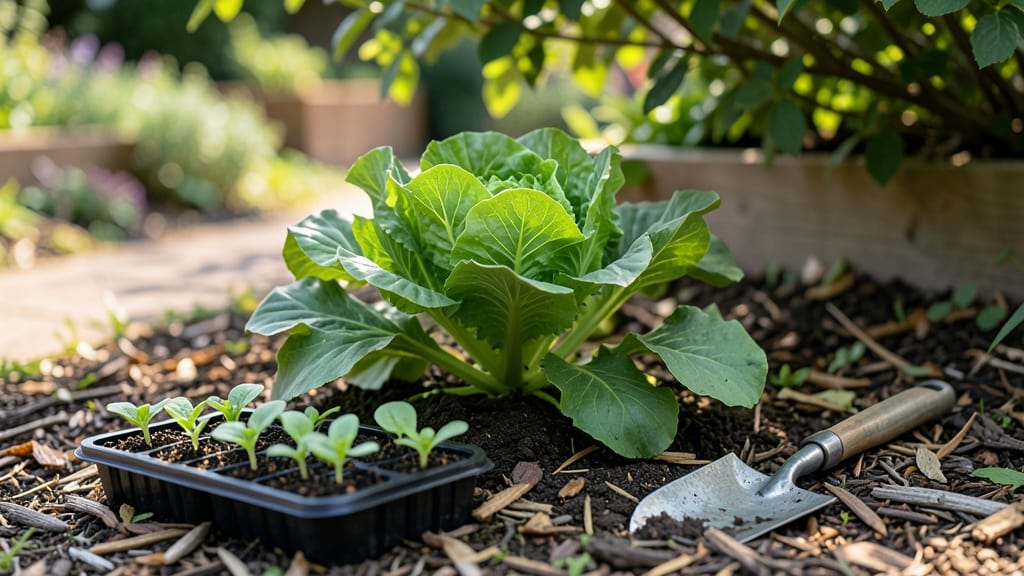
Planting vegetables in Zone 6 at the right time means the difference between a bumper crop and a sad, frost-nipped failure 🥕 — and the window is narrower than you think.
Zone 6 gardeners face a short but critical growing window—plant too early and risk frost damage, too late and miss peak harvests. Timing isn’t just about dates; it’s about matching each vegetable’s cold tolerance to your last frost averages for maximum yields.
Cool-season crops like peas and spinach can handle light frosts, while tomatoes and peppers need warm soil to thrive. Get the timing wrong, and you’re either staring at wilted seedlings or watching your summer harvests bolt before they ripen.
Below, I break down the exact planting windows for 20+ vegetables, how to adjust for early/late frosts, and the top 5 mistakes that sabotage Zone 6 gardens every year.

Zone 6 planting calendar: exact dates for cool-season vs warm-season vegetables
Mastering the Zone 6 planting calendar means knowing when to plant each vegetable to avoid frost damage while maximizing harvests. In my experience, the difference between a bountiful garden and a disappointing one often comes down to these exact timing windows.
For most of Zone 6, the last frost date typically falls between April 15 and May 15, while the first frost arrives around October 15 to November 1.
Cool-season crops like spinach and kale thrive when planted 4-6 weeks before your last frost date, while warm-season favorites such as tomatoes and peppers need to wait until 2-3 weeks after the last frost.
Let’s break down the exact dates for each category to help you plan your garden like a pro.
📅 Key Dates for Zone 6:
- Last Frost: April 15–May 15
- First Frost: October 15–November 1
- Warm-Season Start: May 1–June 1
- Cool-Season End: August 15–September 15
| Vegetable | Planting Window | Days to Harvest | Notes |
|---|---|---|---|
| Peas | March 15–April 15, August 15–September 15 | 60–70 days | Tolerates light frost; plant early |
| Spinach | March 1–April 15, August 1–September 1 | 30–50 days | Bolt-resistant varieties for summer |
| Lettuce | March 15–May 1, August 15–September 15 | 30–60 days | Succession plant every 2 weeks |
| Kale | March 1–April 15, July 15–August 15 | 50–70 days | Sweeter after frost; harvest outer leaves |
| Tomatoes | May 1–June 1 (transplant) | 60–85 days | Wait until soil is 60°F+; use row covers |
| Peppers | May 15–June 1 (transplant) | 70–90 days | Slow to germinate; start indoors |
| Green Beans | May 15–June 15, July 15–August 1 | 50–60 days | Succession plant for continuous harvest |
| Cucumbers | May 15–June 15 | 50–70 days | Trellis for space-saving; harvest young |
| Carrots | March 15–May 1, August 1–September 1 | 60–80 days | Loose soil prevents forking; thin seedlings |
| Broccoli |
How to adjust planting times for Zone 6’s unpredictable weather patternsZone 6’s unpredictable spring frosts and early fall freezes can turn your gardening plans upside down. While average last frost dates hover around mid-April, a late frost in May isn’t unheard of—and neither is an early October warm spell. The key to success lies in flexible strategies that let you adapt rather than follow rigid calendars. I’ve learned the hard way that soil temperature matters more than air temperature. A warm day might trick you into planting tomatoes, but if the soil is still below 60°F, roots won’t establish properly. Meanwhile, fall crops like kale and spinach can often handle light frosts, but a sudden cold snap will ruin your plans if planted too late. The solution? Layered protection and smart timing adjustments.
One of my favorite tricks is succession planting for warm-season crops like zucchini and bush beans. Instead of planting all at once, I stagger seeds every 2 weeks through July. This ensures a steady harvest even if the first planting gets hit by a late frost. For example, planting one row of beans every 14 days means I’m harvesting fresh pods for weeks longer than neighbors who planted all at once. When it comes to fall planting, I rely on cold frames to protect broccoli and cabbage from early freezes. A simple DIY frame with clear plastic lets me harvest these crops until mid-November instead of mid-October. The secret? Ventilate during warm days to prevent overheating—70°F+ inside can cook your plants just as surely as a frost. Don’t overlook the power of 10-day forecasts when deciding to transplant tomatoes or peppers. I wait until forecasts show consistent nighttime temps above 50°F for at least 5 nights in a row. This simple check has saved me from losing $100+ worth of seedlings to unexpected frosts. Pro tip: Bookmark your local National Weather Service page for real-time updates. Remember, Zone 6 gardening is about resilience. The plants that thrive here aren’t the ones that follow a calendar perfectly—they’re the ones that adapt to our unpredictable climate. Whether you’re using row covers, succession planting, or cold frames, these tools give you the flexibility to make the most of every growing season. The more you experiment, the more you’ll learn what works best in your specific microclimate. |