
Trees
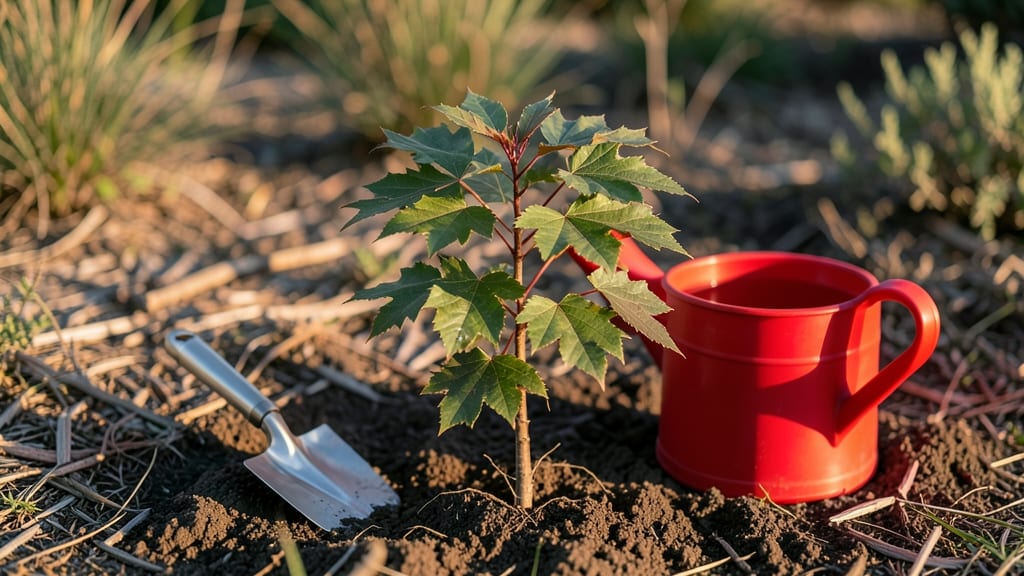
Planting trees in Zone 5 at the right time is the difference between a decades-long shade provider and a struggling sapling that never takes hold.
Too early, and frost will shock the roots; too late, and your tree won’t establish before winter sets in. I’ve seen young oaks planted in May thrive while maples put in October struggle—because timing isn’t just about the calendar, it’s about the science of soil and species.
Here’s the exact breakdown of when to plant trees in Zone 5 by type, how to read your local frost dates, and the one mistake that kills more trees than drought ever will.
You’ll learn which months work for bare-root vs. container-grown trees, how to adjust for microclimates, and the 3 signs your tree is already rooting in the ground.

Best planting months for trees in Zone 5 by species type
Zone 5 gardeners face a critical decision: plant trees in early spring when soil thaws, or wait for fall when temperatures cool.
The answer depends entirely on your tree species. Deciduous trees like oaks and maples thrive when planted in early spring or fall, while evergreens like pine prefer late fall planting to establish roots before winter dormancy.
Let’s break down the exact months for each type to maximize survival and growth.
For Zone 5’s unpredictable climate, timing matters more than most gardeners realize.
Planting too early risks frost damage to tender roots, while late planting leaves insufficient time for root establishment before winter. Fruit trees need special attention—apple and cherry trees, for example, should go in early spring to avoid dormancy period conflicts.
Here’s how to match each species to its ideal window.
🌱
| Tree Type | Best Planting Months | Key Considerations | Root Establishment Window |
|---|---|---|---|
| Deciduous Trees (Oak, Maple, Birch) | April-May or September-October | Avoid late fall planting; roots need 6-8 weeks to establish before frost. | 60-90 days before first frost |
| Evergreen Trees (Pine, Spruce, Fir) | Late September-November | Plant after frost dates but before soil freezes. Evergreens need winter acclimation. | 45-60 days before first frost |
| Fruit Trees (Apple, Cherry, Pear) | Early April-May (bare-root) or September | Bare-root trees must be planted before buds swell in spring. Container-grown can go in fall. | 90-120 days before dormancy |
| Shade Trees (Linden, Walnut, Catalpa) | April or September-October | Large root balls need ample soil moisture; water deeply after planting. | 75-100 days before frost |
| Ornamental Trees (Crape Myrtle, Dogwood) | April-May or September | Avoid hot summer planting—transplant shock is higher in heat. | 60 days before/after extreme temps |
If you’re planting bare-root trees in early spring, act fast—once buds begin swelling, you’ve missed the window.
For container-grown trees, fall offers a longer planting window, but avoid late November when soil temperatures drop below 40°F. Evergreens like pine and spruce are exceptions—they need late fall planting to harden off before winter.
For fruit trees, timing is everything. Apple and cherry trees planted in early spring (before buds break) establish roots while the tree focuses on leaf and fruit production.
If you choose fall, opt for September planting to allow roots to grow before dormancy. Peach and plum trees, however, prefer late winter/early spring planting to avoid late-season fungal risks.
Zone 5’s microclimates can shift planting windows by weeks. If your yard sits in a sheltered south-facing slope, you might extend fall planting into early November.
Conversely, low-lying areas with late frosts may require earlier spring planting. Always check your last frost date (typically May 10 in Zone 5) and adjust accordingly.
Don’t overlook soil temperature—roots won’t grow well below 45°F. Use a soil thermometer to confirm conditions. For large trees (3"+ caliper), fall planting gives roots time to spread beyond the root ball before winter. Smaller trees (1-2" caliper) can handle spring planting more easily.
Pro tip: Mulch heavily after planting—3-4 inches of organic mulch retains moisture and regulates soil temperature. Water deeply once a week for the first month, then taper to bi-weekly once established. Evergreens need extra winter watering if snow cover is minimal.
Remember, container-grown trees can be planted year-round (except winter), giving you flexibility. But bare-root trees must go in dormant season—either late fall or early spring. If you miss the window, wait until
Critical factors that determine Zone 5 tree planting timing
Timing your tree planting in Zone 5 isn't just about picking a month—it's about understanding how soil temperature, frost dates, and tree dormancy work together.
The wrong timing can leave roots vulnerable to freeze-thaw cycles or heat stress, while perfect timing gives your tree a 6-week head start for root establishment before winter. Let's break down the science behind the calendar.
First, soil temperature is the single most critical factor. Most trees thrive when soil stays above 40°F (4°C) for at least 4-6 weeks post-planting. In Zone 5, this typically aligns with late April to early June or September to early October.
Cold soil slows root growth, while soil too warm can stress roots—especially for bare-root trees that need moisture to activate.
Frost dates create a natural planting window. In most of Zone 5, the last spring frost occurs around May 10, and the first fall frost hits about October 10. Planting 4-6 weeks before either frost window gives roots time to establish before dormancy or harsh winter conditions. For example, a tree planted in mid-September has about 6 weeks to root before frost, while one planted in late October risks winter damage.
- 🌡️ Soil Temperature: Plant when soil is 40°F+ (4°C+) for 6+ weeks post-planting (late April–June or Sept–Oct).
- ⏰ Frost Windows: Aim for 4-6 weeks before last spring frost (May 10) or first fall frost (Oct 10).
- 🌳 Tree Dormancy: Deciduous trees: Fall planting (Sept–Oct) for root growth before dormancy. Evergreens: Early spring (April–May) to avoid winter desiccation.
- 🌱 Root Establishment: Trees need 6+ weeks of warm soil to develop roots before winter. Bare-root trees need immediate moisture.
- 🌡️ Microclimates: Adjust for urban heat islands (plant earlier) or cold sinks (plant later).
Tree species play a huge role in timing. Deciduous trees like oaks, maples, and fruit trees often do best when planted in fall (September–October). This gives roots time to grow before the tree enters dormancy.
Meanwhile, evergreens, such as pines and spruces, prefer early spring (April–May) planting to avoid winter desiccation. Even within these categories, exceptions exist—bare-root trees (like those sold without soil) must be planted as soon as possible in early spring to prevent root drying.
Don't overlook microclimates in your yard. A south-facing slope may warm up faster, allowing you to plant 2-3 weeks earlier than the general guideline. Conversely, low-lying areas or shaded spots might stay colder, requiring a later planting window.
Use a soil thermometer to check temperatures at 6-inch depth—this is where roots will first establish. If your soil hits 40°F (4°C) consistently, it's time to plant.
Finally, watering and mulching become critical after planting. Newly planted trees need deep watering (15–20 gallons) every 7–10 days during the first growing season. Apply 3–4 inches of mulch around the base (but not touching the trunk) to insulate roots and retain moisture.
This is especially important if you plant in early fall, as winter can dry out soil faster than you'd expect.
By aligning your planting schedule with these factors, you’ll give your Zone 5 trees the best possible start—leading to stronger roots, faster growth, and a landscape that thrives for decades. 🌳