
Plants
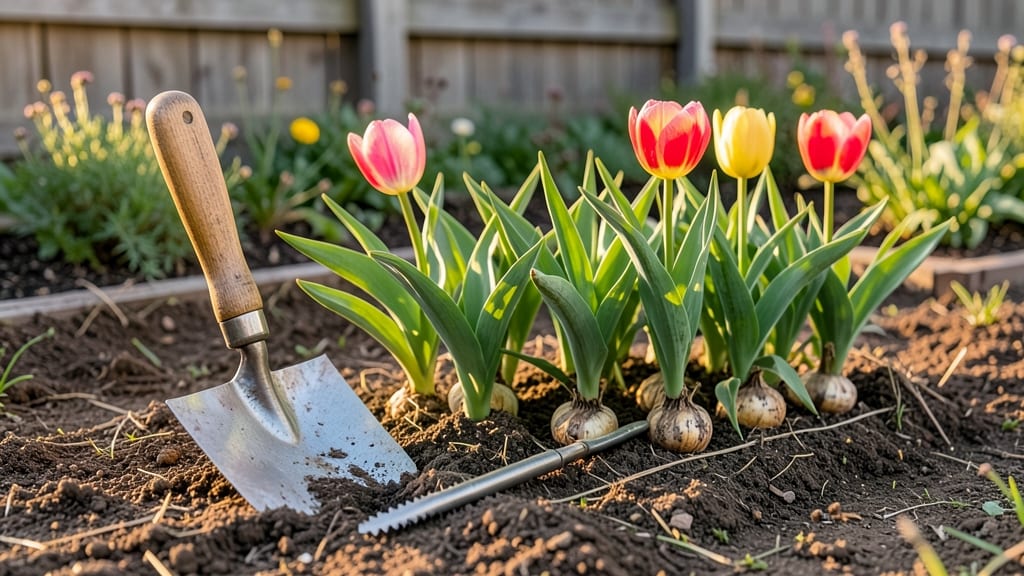
Planting tulip bulbs in Zone 7 between October and November is the key to vibrant spring blooms 🌷 — timing this window guarantees strong root growth before winter sets in.
Tulips are one of the most beloved spring flowers, but planting them at the wrong time in Zone 7 can mean weak blooms or no flowers at all. Timing is everything, and getting it right guarantees vibrant, healthy tulips year after year.
If you wait too late, the bulbs won’t establish roots before the ground freezes. Plant too early, and they’ll sprout prematurely, only to die back in cold snaps. The 4-6 week window before your first frost is your target.
Below, I’ll walk you through the exact dates, soil temperature checks, and how to adjust for early or late winters. By the end, you’ll know precisely when to plant for foolproof tulips in your Zone 7 garden.

The perfect Zone 7 tulip planting window: weeks and moon phases
Planting tulip bulbs in Zone 7 at the right time ensures they establish strong roots before winter. The ideal window falls between mid-October and early November, but exact timing depends on your local frost dates and soil conditions.
This timing allows bulbs to root deeply before the ground freezes, setting the stage for vibrant spring blooms.
Why timing matters so much? Tulips need 4-6 weeks of cool soil temperatures (40-50°F) to develop roots. Planting too early risks rot, while planting too late may leave bulbs vulnerable to winter freeze-thaw cycles. The key is balancing these factors for perfect growth.
Here’s how to pinpoint your exact planting window using soil temperature and moon phases for optimal results:
| Timeframe | Soil Temperature | Moon Phase | Action |
|---|---|---|---|
| Late September | 50-60°F | Waning Gibbous | Prepare soil, test moisture |
| Mid-October | 45-50°F | Full Moon | Plant bulbs 6-8 inches deep |
| Early November | 40-45°F | Waxing Crescent | Last chance for late bloomers |
| December | Below 40°F | New Moon | Too late; wait until next year |
For Zone 7, aim to plant tulip bulbs 4-6 weeks before the first hard frost. Most areas experience their first frost around mid-October, so late September to early October is your sweet spot.
Use a soil thermometer to confirm temperatures are consistently below 50°F—this signals it’s time to plant.
Moon phases play a surprising role in tulip success. Planting during the waning gibbous (just after the full moon) or waxing crescent phases encourages root growth. The moon’s gravitational pull helps draw moisture into the soil, giving your bulbs a head start.
Check a moon phase calendar to align your planting with these optimal times.
Adjust your timing if you experience an early or late winter. In colder inland areas of Zone 7, plant as early as late September to ensure roots establish before freezing.
Coastal areas with milder winters can wait until early November, but avoid planting after the ground cools below 40°F.
Pro tip: If your soil stays warm past October 15th, cover bulbs with a thick layer of mulch (3-4 inches) to protect them from freeze-thaw cycles. This mimics natural winter conditions and prevents bulb rot. Always choose well-draining soil to avoid soggy conditions that can suffocate roots.
Remember, tulips are perennial in Zone 7, but they need proper fall planting to thrive. By following these exact weeks and moon phases, you’ll enjoy healthier blooms and longer-lasting bulbs for years to come. Happy planting!
Signs your Zone 7 tulip planting time is right (or wrong)
Planting tulip bulbs in Zone 7 at the wrong time can ruin your chances of those dreamy spring blooms. The key is knowing when the soil and weather align perfectly for root development before winter sets in.
I’ve learned that 4-6 weeks before ground freezes is your sweet spot—typically mid-October to early November in most of Zone 7.
But how do you know for sure? It’s not just about the calendar—soil temperature, frost forecasts, and bulb condition all play critical roles. Let’s break down the must-check signs before you dig that first hole.
Getting this right means the difference between vibrant tulips next spring and a sad, empty garden bed.
⚠️ Planting Too Early or Late in Zone 7
Too Early (Before 40°F soil): Bulbs may sprout and get fried by frost. Too Late (After first frost): Roots won’t establish before winter dormancy. Zone 7 Rule: Aim for 40-50°F soil and 4-6 weeks until frost—check your local frost date and count backward!
First, check your soil temperature—it’s the most reliable indicator. Use a soil thermometer to confirm it’s between 40-50°F. If it’s warmer, your bulbs might sprout too early and get damaged by unexpected cold snaps.
I always test mine in the late afternoon when soil is warmest, and if it’s above 50°F, I wait a few days.
Next, examine your tulip bulbs for firmness. Healthy bulbs should feel solid and plump, not soft or shriveled. If they’re wrinkled or moldy, they’ve been stored improperly and won’t perform well.
I like to soak them in a mild fungicide solution for 30 minutes before planting to prevent rot—a habit that’s saved my bulbs from disaster more than once.
Don’t ignore frost forecasts either. Even if your soil is perfect, a sudden early frost can ruin your planting. I use the National Weather Service or local gardening apps to track first frost dates.
In Zone 7, this usually lands in mid-October, but coastal areas might get a later frost. Count back 4-6 weeks from that date—your planting window is your golden ticket.
Finally, watch the moon phases for an extra edge. Planting during the waning moon (after the full moon) is said to encourage stronger root growth. I’m not superstitious, but I’ve noticed my tulips seem to thrive when I follow this tip.
Combine it with the other signs, and you’ve got a foolproof system for perfect timing.
Pro tip: Keep a planting checklist handy. Mark off each sign—soil temp, bulb condition, frost date, and moon phase—before you start digging. When all boxes are checked, you’re ready to plant with confidence. Trust me, your future spring blooms will thank you!