
Plants
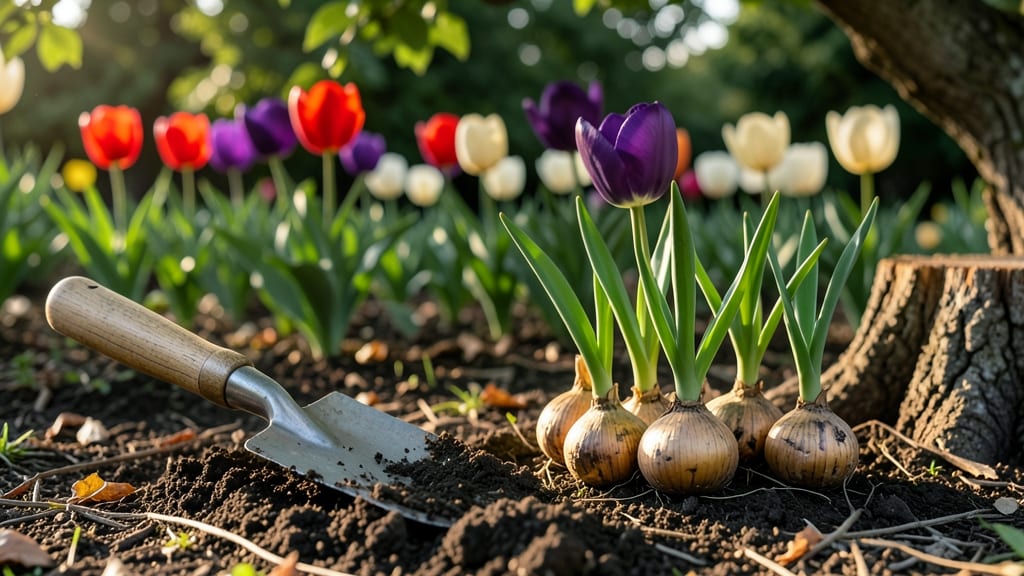
Planting tulips in Zone 7b during fall ensures vibrant blooms next spring, but timing is everything—too early or too late can ruin your chances.
Picture this: you’ve spent good money on bulbs, dug the hole, and then—bam—a late frost or soggy soil turns them to mush before they even sprout. That’s why knowing the exact window matters.
In Zone 7b, the sweet spot is October through November, when soil temps hover between 40-50°F. Plant too soon, and the bulbs might sprout early and get fried by frost. Too late, and they won’t root before winter sets in.
Below, I’ll walk you through the perfect planting schedule, soil prep tricks, and how to adjust for early or late frosts—so your 🌷 garden bursts into color like clockwork.

Zone 7B tulip planting calendar: exact months and temperature guidelines
Getting your tulip bulbs in the ground at the right time in Zone 7B is the secret to show-stopping spring blooms. Unlike cooler zones, our mild winters and variable frost dates demand precise timing—plant too early, and bulbs may sprout prematurely; too late, and they won't establish roots before winter.
The sweet spot? October through mid-November, when soil temps hover between 40-50°F.
This 6-week window gives bulbs time to develop roots while avoiding the freeze-thaw cycles that can damage emerging shoots. In my Zone 7B garden, I've learned that early October is ideal for most varieties, but late November can still work if your soil stays workable.
The key is monitoring soil temperature—not air temperature—using a soil thermometer or checking when dandelions start sprouting naturally.
Here's my Zone 7B tulip planting calendar broken down by month, including temperature thresholds and frost adjustments:
| Planting Window | Soil Temperature | Frost Risk | Action Steps |
|---|---|---|---|
| Early October | 50-60°F | Low (first frost ~Nov 15) | Plant Darwin Hybrids and Parrot Tulips—they need longest root time. |
| Mid-October | 45-55°F | Moderate | Best time for most varieties. Cover with straw mulch if nights dip below 32°F. |
| Late October | 40-50°F | High | Plant Fosteriana (red emperor) and species tulips—they're frost-hardy. |
| Early November | 35-45°F | Very High | Last chance! Only plant if soil is workable. Use row covers for protection. |
| February (Spring) | 45-55°F | None | Emergency planting for late bloomers like Cottage tulips. Water immediately after planting. |
For Zone 7B gardeners, the soil temperature threshold of 40°F is non-negotiable. Below this, bulbs risk chilling injury before roots establish. I always test soil with a thermometer at 6-inch depth—this is where your bulbs will be.
Pro tip: If your soil stays above 50°F past mid-November, hold off planting until temperatures drop naturally.
Adjusting for early frosts is critical in Zone 7B. Last year, a hard freeze in late October caught me off guard. I saved my bulbs by planting 2 weeks later than usual and covering the bed with burlap and straw.
This delayed root growth slightly, but my tulips still bloomed on time the following spring. If your first frost arrives early (before November 15), shift your planting to late October and use frost blankets.
What about late frosts? Zone 7B's variable spring weather can also disrupt tulip development. If you're planting in February for spring blooms, wait until soil warms to 50°F and monitor your local frost-free date.
In my area, April 15 is the average last frost, but I've seen it creep into May—so I always plant late February bulbs near a south-facing wall for extra warmth.
One common mistake I see in Zone 7B gardens is planting too shallow to avoid frost heave. While 6-8 inches deep is standard, our freeze-thaw cycles can push bulbs dangerously close to the surface. To prevent this, I plant
How to choose the perfect planting depth and soil conditions for Zone 7B tulips
Getting the planting depth and soil conditions right for your Zone 7B tulips ensures they establish strong roots before winter. Too shallow, and your bulbs may heave out of the ground.
Too deep, and they’ll struggle to reach the surface in spring. The key is balancing depth, drainage, and soil pH—all critical for preventing rot and encouraging vibrant blooms.
Most gardeners in Zone 7B focus on fall planting between October and November, but the soil’s readiness matters just as much as the calendar. Cold soil can stunt root growth, while warm soil may encourage premature sprouting.
Aim for soil temperatures between 40-50°F—this sweet spot gives bulbs time to root without waking up too early.
⚠️ WARNING: Common Mistake in Zone 7B Soils Zone 7B’s clay-heavy soils are notorious for poor drainage, which can drown tulip bulbs. Planting too deep in heavy clay (below 8 inches) traps moisture against the bulb, leading to rot before spring.
Even worse, bulbs planted too shallow (4 inches) risk freezing or drying out. The 6-8 inch rule is your best defense—but only if your soil drains well. If your garden holds water after rain, amend the soil first!
Start by testing your soil pH—tulips thrive in a 6.0-7.0 range. Zone 7B soils often lean acidic (below 6.0), which weakens bulb health. If your test shows pH below 6.0, mix in garden lime (1-2 lbs per 100 sq ft) 2-3 weeks before planting.
For pH above 7.0, add sulfur or peat moss to lower it gradually. Never adjust pH the same day you plant—it can burn bulbs.
For drainage solutions, mix organic matter like compost or well-rotted manure into the planting hole. Aim for a 50/50 blend of native soil and amendment—this improves aeration while retaining moisture.
If your clay soil is extremely dense, consider planting in raised beds or mounded soil to elevate bulbs slightly. This simple trick can prevent waterlogging during Zone 7B’s wet winters.
When digging holes, use a bulb planter or trowel to create a clean, vertical sides—this prevents soil from caving in and burying bulbs deeper than intended. Place each bulb with the pointy end up (the roots will grow downward naturally) and space them 4-6 inches apart.
After backfilling, water deeply to settle the soil and eliminate air pockets around the bulbs. This step is crucial in clay soils, where compaction can suffocate roots.
Finally, mulch with 2-3 inches of straw or shredded leaves after planting. This insulates bulbs from temperature swings in Zone 7B’s unpredictable winters while keeping moisture levels stable. Remove the mulch in early spring once shoots appear—this prevents rot from excess moisture as the soil warms.
With the right depth, drainage, and soil prep, your Zone 7B tulips will reward you with bold, long-lasting blooms year after year.