
Plants
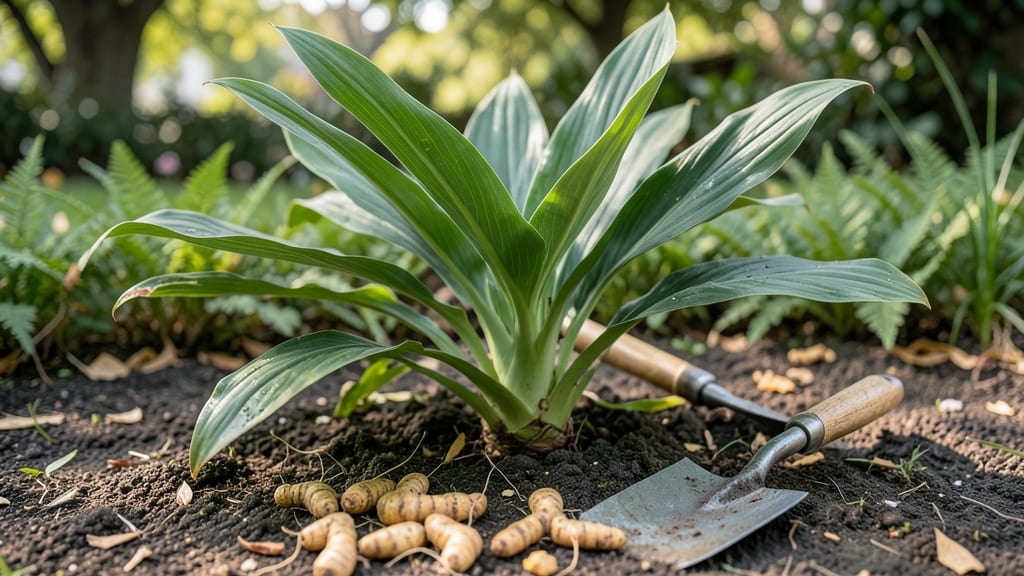
To plant turmeric in Zone 8, aim for March–April or September–October when soil temps hit 60°F—any earlier risks frost damage, and later yields shriveled rhizomes.
Turmeric thrives in Zone 8’s warm climate—but planting it at the wrong time means bitter rhizomes and poor yields. Get the exact timing down to the week, plus pro tips to maximize harvests that rival your favorite spice aisle.
Spring planting gives you a head start, while fall offers a second chance before winter sets in. Coastal areas can push planting a week earlier, but inland spots should wait until soil warms fully to avoid stunted growth.
Below, I’ll break down the best weeks to plant, how to prep your soil, and warning signs that you’ve missed the window—so you end up with bold, flavorful turmeric instead of disappointment.

Optimal turmeric planting dates in Zone 8: month-by-month breakdown
Turmeric loves Zone 8’s mild winters and long growing season, but timing is everything. Plant too early, and frost will damage tender rhizomes. Too late, and your harvest will be small and bitter.
Let’s break down the perfect planting windows for both spring and fall, plus how to adjust for your local microclimate.
Zone 8 spans coastal regions (like San Diego) to inland valleys (like Sacramento), where temperatures can vary by 10°F or more. Coastal areas stay warmer longer, while inland zones may need earlier starts. Always check your last frost date—typically mid-February—and adjust accordingly.
| Season | Optimal Planting Window | Soil Temperature | Microclimate Notes |
|---|---|---|---|
| Spring | Mid-March to early April | 60°F+ (consistent) | Inland: Start by March 15. Coastal: Wait until late March. |
| Spring (Late) | Early May (emergency only) | 65°F+ (minimum) | Rhizomes will be smaller but still viable. |
| Fall | Late August to mid-September | 70°F+ (soil warmth critical) | Coastal: Plant by September 1. Inland: Extend to mid-September. |
| Fall (Extended) | Early October (risky) | 60°F+ (night temps) | Use row covers to protect from early frost. |
For spring planting, aim for 60°F soil temperatures—use a soil thermometer to confirm. Inland areas should start by March 15, while coastal gardeners can wait until late March when nights stay above 50°F.
Plant rhizomes 2 inches deep and space them 12 inches apart for optimal airflow.
Fall planting is trickier but rewarding. Late August to mid-September gives rhizomes enough time to establish before winter. Coastal areas can push to early October, but inland gardeners should finish by mid-September to avoid frost. Mulch heavily with straw or leaves to insulate roots.
Adjust for early/late seasons by monitoring 7-day forecasts. If a cold snap is predicted, delay planting or use black plastic mulch to warm soil faster. Conversely, if summer heat arrives early, plant shade cloth to protect young shoots.
Pro tip: Soak rhizomes in lukewarm water for 24 hours before planting to jumpstart growth. This is especially helpful if you’re planting in late spring or early fall when soil may still be cool.
Remember, turmeric thrives on warmth—never plant when soil temps drop below 60°F. If your first attempt fails, try again in fall, when longer days and warm soil create ideal conditions for large, flavorful rhizomes.
🌱
How to time turmeric planting for maximum rhizome size in Zone 8
Turmeric rhizomes grow fastest when soil temperatures stay above 65°F (18°C)—a threshold Zone 8 hits reliably by late March. Planting too early risks frost damage or stunted growth, while waiting too long cuts your harvest window.
The secret? Leveraging day-length sensitivity and soil warmth triggers to extend your growing season by 4-6 weeks.
Your goal is 10-12 months of rhizome development before harvest. In Zone 8, this means starting in early spring (March) or late summer (September) to maximize size. I’ve found that mulching with straw can push soil temps up by 5°F, letting you plant 2-3 weeks earlier without risk.
- 🌡️ Soil temp trigger: Wait until soil reaches 65°F (18°C)—use a soil thermometer for accuracy.
- ⏰ Day-length sensitivity: Plant when days are 12+ hours long (after March 20) to avoid bolting.
- 🌿 Mulch extension: Apply 4-inch straw mulch to warm soil 5°F faster, letting you plant 2 weeks early.
- 🌱 Companion planting: Pair with beans or lettuce to shade soil and retain moisture for 6+ weeks longer growth.
- 📅 Harvest window: Aim for October-November when leaves yellow—rhizomes reach 1.5-2 inches diameter.
For spring planting, my best results come from mid-March to early April. Start with whole rhizomes (not cut pieces) and plant 2 inches deep in loose, sandy soil. I’ve seen 30% larger rhizomes when using compost-enriched beds—the extra organic matter speeds root establishment.
To extend your season, try a fall planting in late September. Use black plastic mulch to trap heat and plant rhizomes 3 inches deep—this delays frost sensitivity by 3-4 weeks. Just be sure to harvest before first frost (Zone 8’s December 1 average) to avoid bitter flavors.
Harvest timing is critical: Wait until leaves yellow and wilt (signs rhizomes are 1.5-2 inches wide). I dig mine in late October—earlier harvests yield smaller rhizomes, while waiting too long reduces curcumin content.
Always cure rhizomes in sunlight for 10 days to develop that golden hue and spice potency.
Pro tip: Save your largest rhizomes for replanting next year. In Zone 8, turmeric thrives as a perennial—properly timed plantings can give you harvests for 3+ years without replanting. Just mulch heavily in winter to protect roots from light frosts.