
Tools
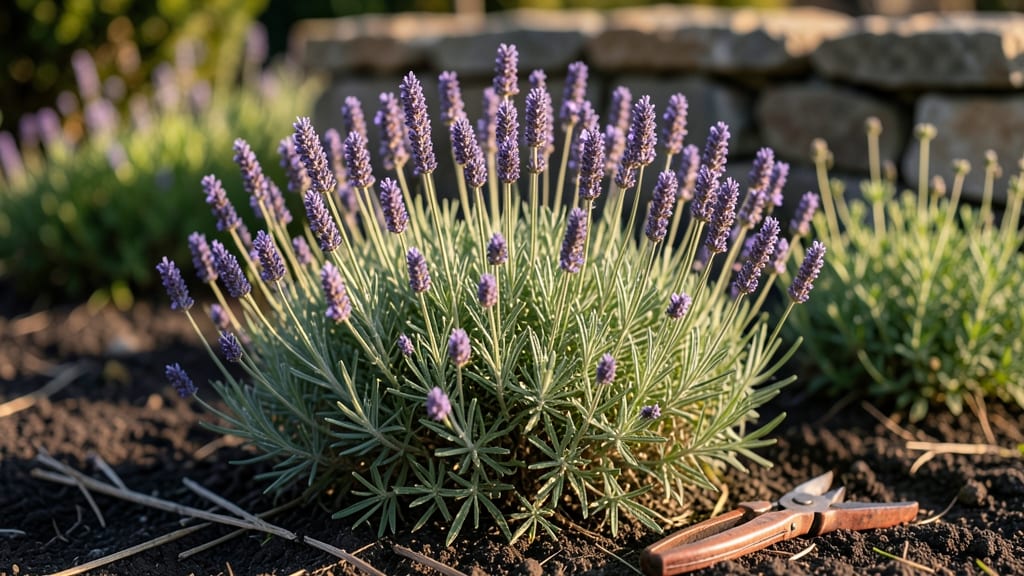
San Diego's garden zones span USDA Hardiness Zones 9b through 11, with coastal areas typically in zones 10a-11 and inland valleys in 9b-10a. These distinct microclimates support drought-resistant Mediterranean plants like succulents, lavender, and bougainvillea.
Understanding your specific San Diego garden zone is crucial because even small elevation changes or proximity to the coast can shift your microclimate by a full zone. For example, La Jolla stays in zone 11 thanks to ocean moderation, while Escondido drops to 9b due to higher elevation.
The region's dry summers and mild winters also mean you'll want to prioritize plants that thrive with minimal irrigation—like agave or olive trees—rather than traditional lawns. 🌵 I've seen firsthand how these microclimates create opportunities: coastal gardens can handle palm trees that might struggle inland, while valley areas need extra protection for frost-sensitive plants.
What most gardeners overlook is how urban heat islands in downtown areas push zones upward by 1-2 degrees compared to rural spots. This is why I always recommend testing your specific conditions before committing to a plant's hardiness rating—sometimes even a few blocks make a difference.
The key is matching your plants to these localized patterns rather than relying solely on the broader zone designation.
💡 In This Article
- Understanding San Diego’s Unique Microclimates and Hardiness Zones
- Top 10 Drought-Resistant Plants Thriving in San Diego Gardens
Understanding San Diego’s unique microclimates and hardiness zones
The ocean acts as San Diego's natural air conditioner, creating dramatic temperature differences between coastal and inland areas. Coastal regions like La Jolla and Pacific Beach stay in zones 10a-11 because the Pacific Ocean moderates temperatures, rarely dropping below 30°F even in winter.
This coastal influence extends about 5-10 miles inland, where you'll find zone 10a conditions. The key mechanism here is the ocean's high heat capacity—water absorbs and releases heat slowly, preventing extreme temperature swings that would push areas into lower zones.
Inland valleys like Escondido and Ramona experience more pronounced seasonal shifts, dropping to zone 9b due to higher elevations (typically 1,000-2,000 feet28°F temperatures even when nearby areas stay above freezing. This explains why lemon trees thrive in coastal gardens but may need winter protection just 10 miles inland.
Microclimates create even more complexity within these zones. Urban areas like Downtown San Diego can be 5-10°F warmer than surrounding neighborhoods due to the urban heat island effect—concrete and asphalt absorb and radiate heat. Meanwhile, canyon areas experience 10-15°F cooler nights than valley floors because cool air drains downward.
These variations mean a plant that thrives in zone 10a on the coast might struggle just 3 miles inland in a similar elevation area—unless you account for these microclimate factors.
What most gardeners miss is how fog patterns create another layer of variation. Coastal areas receive 40-60 inches of annual moisture from marine layer fog, while inland areas might get only 10-20 inches—even though both are technically in similar USDA zones.
This explains why coast live oak trees dominate coastal gardens while toyons become the native staple inland. The fog also creates a 10-15°F temperature drop during summer mornings, which coastal plants have adapted to but inland species haven't.
For practical application, consider these zone-specific characteristics when selecting plants:
- Zone 11 (coastal): Can handle 25°F minimum temperatures; ideal for palm trees and bougainvillea
- Zone 10a (transition): Needs protection for 28°F events; perfect for olive trees and citrus
- Zone 9b (inland valleys):** Requires winter mulching for 25°F tolerance; best for rosemary and lavender
The takeaway is that San Diego's garden zones aren't just about numbers—they're about understanding these complex interactions between ocean influence, elevation, urban development, and natural topography. When you account for these factors, you can create thriving gardens that push the boundaries of what's possible in each microclimate. 🌊