
Plants
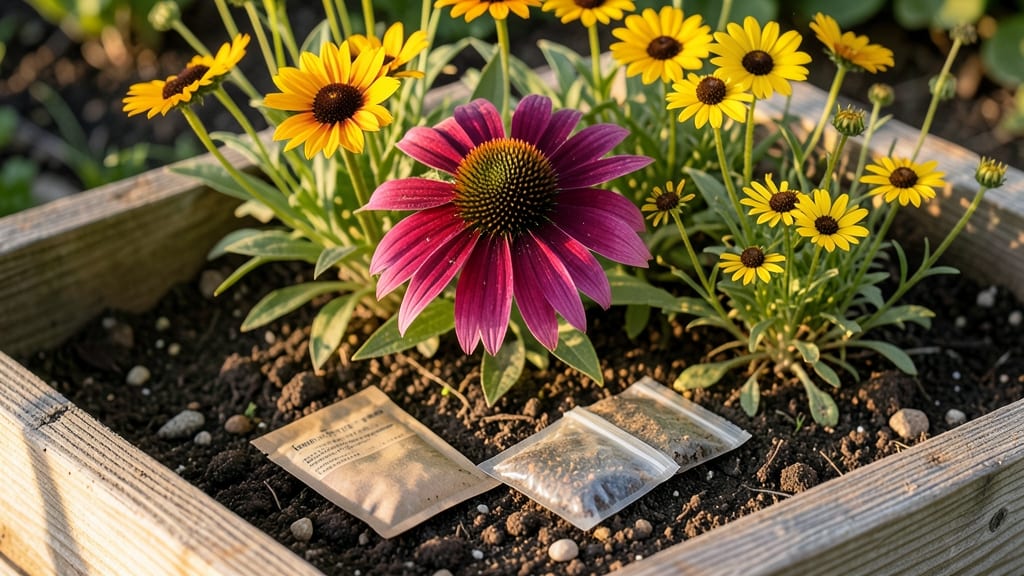
Plant wildflower seeds in Zone 5 between March and April for spring blooms or August to September for fall planting, timing them to avoid frost damage and maximize germination.
Struggling to time your wildflower planting in Zone 5? Plant too early, and frost will kill your tender seedlings. Plant too late, and you’ll miss the optimal growing window. Here’s how to use the frost-date formula to guarantee vibrant blooms year after year—without guesswork.
Zone 5 gardeners know the stakes: a late frost can wipe out your 🌼 wildflowers before they even sprout, while planting too late risks weak, leggy growth. The key is aligning your seed drop with soil temperatures and frost-free windows—both of which vary by sub-zone (5a vs. 5b).
Below, I’ll break down the exact frost-date math, the best varieties for each planting window, and how to prep your soil for foolproof success—so you can enjoy a meadow of color from late spring through fall.

Zone 5 wildflower planting timeline: frost-date formula explained
Timing your wildflower seeds correctly in Zone 5 means the difference between a vibrant meadow and wasted effort. The key? Using your last frost date as your anchor.
For most of Zone 5, this falls around April 15, but exact dates vary by 5a vs. 5b—check your local USDA map for precision. The frost-date formula I’ll share simplifies this into a foolproof system for both spring and fall planting.
Start by identifying whether your wildflower seeds are annuals (complete lifecycle in one year) or perennials (return yearly). Annuals like black-eyed Susans and cosmos need to germinate 4-6 weeks before last frost for full bloom season.
Perennials like coneflowers or milkweed can handle cooler soil temps, so they get a 2-4 week earlier window.
Soil temperature is often overlooked but critical. Most wildflower seeds need soil temps between 50°F and 70°F to germinate. Use a soil thermometer ($10 at garden centers) to confirm readiness.
In Zone 5, soil typically hits 50°F by early April, but this can shift 1-2 weeks depending on microclimates like slopes or urban heat islands.
Here’s the frost-date formula broken down:
| Planting Window | Seed Type | Soil Temp Requirement | Last Frost Adjustment | Zone 5 Target Month |
|---|---|---|---|---|
| Spring Planting | Annual Wildflowers | 50°F–70°F | 4–6 weeks before frost | March 15–April 1 |
| Spring Planting | Perennial Wildflowers | 40°F–60°F | 6–8 weeks before frost | February 28–March 15 |
| Fall Planting | Annual Wildflowers | 60°F–75°F | 8–10 weeks before first frost | August 1–September 1 |
| Fall Planting | Perennial Wildflowers | 50°F–65°F | 10–12 weeks before first frost | July 15–August 1 |
Fall planting is often overlooked but ideal for perennials because cooler temps reduce weed competition. Seeds sown in late summer germinate slowly over fall/winter, establishing roots before spring growth.
For annuals, fall planting gives you a second bloom season—just choose varieties like marigolds or zinnia that tolerate cooler nights.
Pro tip: If your soil is still too cold in early spring, cover seeds with black plastic mulch to warm the soil by 5–10°F. Remove it once germination begins.
For fall plantings, use a light straw mulch (1 inch thick) to protect seeds from early frost while allowing moisture through.
Microclimates matter! South-facing slopes warm up 1–2 weeks earlier than north-facing areas. If you’re near a large body of water or in an urban area, expect later frosts due to heat retention. Adjust your planting window by 1 week per microclimate factor—this precision ensures your wildflowers thrive.
Test your soil’s readiness with the paper towel trick: Moisten a paper towel, place seeds on it, and refrigerate for 7–14 days. If they sprout, your soil is too cold—wait another week. This mimics natural stratification and boosts germination rates by 30–50% for many wildflower species.
Remember, Zone 5’s first frost typically hits around October 15, but some years it arrives as early as September 20. Always have a frost cloth on hand for late-summer plantings to protect tender seedlings.
With this formula, you’ll never guess again—just plant with confidence and watch your meadow bloom!
Best wildflower seed varieties for Zone 5 planting: when to sow each type
Zone 5 gardeners know timing is everything when planting wildflower seeds. The last frost date (typically mid-April) and first frost date (usually mid-October) create two ideal planting windows: late summer/early fall and early spring.
Each variety thrives best during specific seasons, so choosing the right timing ensures vibrant blooms from May through September.
For annual wildflowers like cosmos and zinnia, sow seeds after your last frost (around May 1) for summer-long color. Perennial varieties, such as coneflowers and black-eyed Susans, benefit from fall planting (August-September) to establish roots before winter.
Let’s break down the best varieties and their precise planting schedules.
| Variety | Best Planting Time | Bloom Season | Sun Needs | Notes |
|---|---|---|---|---|
| Black-Eyed Susan | Late Summer (Aug) or Early Spring (Apr) | Summer-Fall (June-Oct) | Full Sun | Drought-tolerant; attracts pollinators |
| Coneflower (Echinacea) | Fall (Sep) or Early Spring (Mar) | Summer-Fall (July-Oct) | Full Sun-Part Shade | Perennial; great for pollinators |
| Milkweed (Asclepias) | Spring (Apr-May) or Fall (Sep) | Summer (June-Aug) | Full Sun | Host plant for monarch butterflies |
| Clover (Trifolium) | Early Spring (Mar-Apr) or Fall (Aug) | Spring-Summer (Apr-July) | Full Sun-Part Shade | Nitrogen-fixing; great for soil health |
| Cosmos | After Last Frost (May-June) | Summer-Fall (July-Oct) | Full Sun | Self-seeds easily; drought-resistant |
Black-eyed Susans and coneflowers are perennial powerhouses that reward patience. Plant them in late summer (August) to give roots time to establish before winter. These varieties bloom from June through October, providing continuous color and supporting bees and butterflies.
For instant summer color, sow cosmos and zinnia seeds directly after your last frost date (around May 15). These annual wildflowers thrive in full sun and self-seed prolifically, ensuring new blooms year after year with minimal effort. Pair them with milkweed to create a pollinator paradise.
Don’t overlook clover, a versatile ground cover that fixes nitrogen in the soil while adding delicate white or pink blooms in spring and summer.
Plant it in early spring (March-April) or late summer (August) for best results. Its shallow roots make it ideal for walkways and meadow edges.
To maximize diversity, mix spring-blooming varieties like phlox (plant in early spring) with summer-fall favorites like goldenrod (plant in late summer). This ensures your meadow stays vibrant from May through October without gaps in color.
Pro tip: Stratify seeds (mimic winter conditions) for perennials like milkweed by placing them in a damp paper towel in the fridge for 4-6 weeks before planting. This trick boosts germination rates and gives you stronger plants. Happy planting! 🌼✂️💧