
Planting
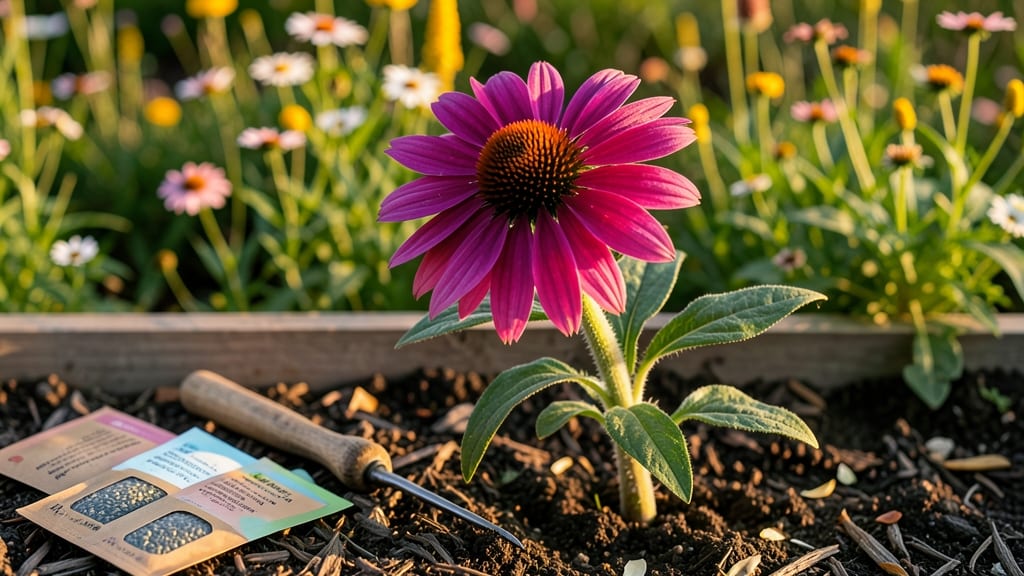
Sowing wildflower seeds in Zone 6 at the right time ensures vibrant blooms all season long 🌼 — and missing those windows means waiting another year for the magic.
Wildflowers transform any garden into a vibrant, pollinator-friendly paradise—but planting them at the wrong time in Zone 6 can mean sparse blooms or missed seasons. Timing is everything, and these native beauties demand precision to thrive year after year.
In Zone 6, the best time to sow wildflower seeds is either in early spring (March–April) or late summer (August–September). These windows align with soil temperatures and rainfall patterns that help seeds germinate without stress.
Below, I’ll break down the exact timing for each season, how to prep your soil, and which wildflower varieties thrive best in your region—plus tips to keep blooms coming from spring through fall.

Best planting windows for wildflower seeds in Zone 6 by season
Zone 6 gardeners enjoy four distinct planting windows for wildflowers, each offering unique advantages. The right timing ensures strong germination, vibrant blooms, and long-term pollinator support. Let’s break down the best months, temperature ranges, and success factors for each season.
Spring planting (March–April) is my top recommendation for most wildflower mixes. Soil temperatures between 50°F–65°F trigger germination without risking summer drought stress. This window aligns perfectly with Zone 6’s last frost date (April 15), giving seeds time to establish before heat sets in.
Summer sowing (June–July) works best for heat-tolerant annuals like cosmos or sunflowers. Wait until soil cools slightly after peak heat (aim for 70°F–80°F), then water deeply to help seeds sprout. Just be prepared for slower germination in intense heat.
| Season | Best Months | Ideal Soil Temp (°F) | Key Success Factor | Notes |
|---|---|---|---|---|
| Spring | March–April | 50°F–65°F | Moisture retention | Best for perennials; avoid late frosts |
| Summer | June–July | 70°F–80°F | Shade cloth | Annuals only; needs consistent water |
| Fall | August–September | 60°F–70°F | Stratification | Best for hardy perennials; overwinters well |
| Winter | December–January | 32°F–45°F | Snow cover | Experimental; works for cold-hardy species |
Fall planting (August–September) is a hidden gem for Zone 6 gardeners. Seeds sown in cool but frost-free soil (60°F–70°F) germinate slowly, establishing roots before winter. This method yields stronger plants next spring and reduces early-season competition.
Winter sowing (December–January) is experimental but rewarding for cold-hardy species like bluebonnets or lupines. Plant seeds in protected microclimates (e.g., under snow cover) where soil stays between 32°F–45°F. These seeds often germinate in early spring, giving them a head start.
For maximum blooms, I recommend a two-season approach: sow half your seeds in spring and half in fall. This ensures continuous color from early summer through frost. Always choose native wildflower mixes adapted to Zone 6’s climate for best results.
Pro tip: Prep your soil by removing weeds and loosening the top 1–2 inches of soil. Wildflower seeds need good contact with soil but don’t require deep burial. A light raking or pressing with a board works perfectly.
Remember, watering consistency is key after sowing. Keep soil moist (not soggy) until seeds germinate, then taper off as plants establish. Most wildflowers are drought-tolerant once rooted, but young seedlings need protection.
With the right timing and care, your Zone 6 garden can burst with wildflower color year-round. Start with one season, track your success, and expand next year—your pollinators will thank you! 🌼
How to extend your wildflower blooms year-round in Zone 6
Want a garden bursting with color from spring through fall? The secret lies in strategic planting and selecting the right wildflower varieties for Zone 6's climate. By using succession sowing and multi-season bloomers, you can create a nonstop pollinator paradise without gaps in your garden's beauty.
First, focus on staggered planting—this means sowing seeds at different times to ensure continuous blooms. For example, plant early bloomers like poppies in late winter, followed by mid-season favorites like black-eyed Susans in spring, and late-season stars like goldenrod in early summer.
This creates a seamless transition of color.
Here’s my step-by-step guide to extending your wildflower blooms year-round in Zone 6, with the best timing for each phase:
-
Step 1: Early Spring Planting (March)
Sow cold-hardy annuals like lupine and bluebonnets as soon as soil is workable. These thrive in cool temperatures and bloom early, setting the stage for summer color.
-
Step 2: Late Spring Succession (May)
Add mid-season bloomers like coneflowers and black-eyed Susans to fill gaps as early blooms fade. These varieties peak in June and July, bridging the seasonal gap.
-
Step 3: Summer Refresh (July)
Scatter fast-growing annuals such as cosmos and zinnia for late summer blooms. These handle Zone 6 heat and provide vibrant color until frost.
-
Step 4: Fall Prep (September)
Plant perennials like asters and goldenrod for fall color. These establish roots in cool weather and bloom into October, extending your garden’s season.
Don’t forget to choose multi-season varieties like yarrow or bee balm, which bloom repeatedly throughout the growing season. These low-maintenance perennials return year after year, reducing your workload while keeping your garden lively.
For winter interest, leave seed heads on late-blooming perennials like coneflowers. They provide food for birds and add textural contrast to your garden’s winter palette. Pair them with evergreen shrubs for year-round structure and color.
With these strategies, your Zone 6 wildflower garden will stay in bloom from March through November, attracting pollinators and delighting your senses all season long. 🌼