
Plants
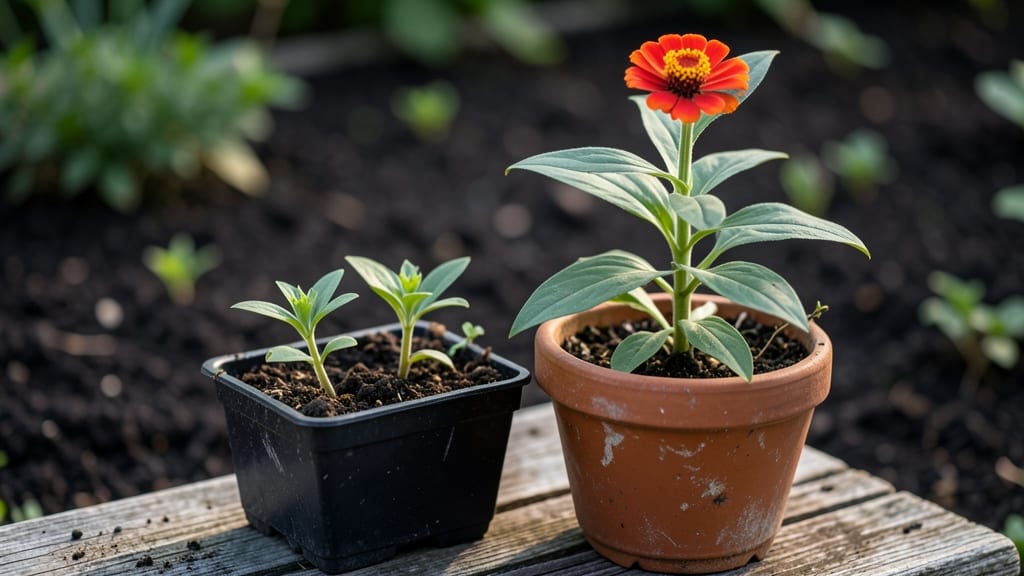
Plant zinnia seeds in Zone 8 as soon as the soil warms to 50°F after your last frost date — typically mid-March for most of the region, but timing is the secret to nonstop summer blooms.
Picture this: you’ve waited all winter for your garden to wake up, only to plant zinnias 🌼 too early and watch them bolt in the heat or too late and miss the first flush of flowers.
That’s why getting the timing right is everything — and in Zone 8, it’s not just about the calendar, but the soil temperature and microclimates.
Zinnias thrive when the ground is consistently warm, which usually means waiting until after March 15 in most of Zone 8. But here’s the trick: if you’re in a cooler pocket of the zone (like 8a), you might need to hold off until April.
For late-summer blooms, you can even plant again in late July or early August to enjoy flowers through October.
In this guide, I’ll walk you through the exact windows for direct sowing, how to adjust for heat waves, and the 3 critical steps to ensure your zinnias grow strong and keep blooming all season long.

Optimal Zone 8 zinnia planting dates by last frost timeline
Zinnias thrive in Zone 8's warm climate, but their planting window depends on your last frost date and subregion (8a vs 8b). In Zone 8a, where frost lingers until mid-April, direct sowing should begin after April 15.
Meanwhile, Zone 8b gardeners can start as early as mid-March when soil temperatures hit 50°F (10°C). These timing differences ensure your zinnias avoid frost damage while maximizing their 60-80 day bloom cycle.
For early summer blooms, aim to plant zinnias 4-6 weeks before your last frost date. This gives them time to germinate and establish roots before the heat peaks.
In Zone 8, this typically means late March to early April for Zone 8b and mid-April to early May for Zone 8a. Soil temperature is your best guide—use a soil thermometer to confirm it's consistently above 50°F (10°C).
Late summer planting is also possible for fall blooms in Zone 8. Sow seeds 8-10 weeks before your first frost, usually late July to early August. This extends your bloom season into October or November, providing vibrant color when many other flowers fade.
Just ensure your zinnias receive full sun (6+ hours daily) to prevent leggy growth.
Here’s a quick reference for Zone 8 zinnia planting windows based on frost-free dates:
| Zone 8 Subregion | Last Frost Date | Early Planting Window | Late Planting Window | Bloom Timeline |
|---|---|---|---|---|
| Zone 8a | Mid-April | Mid-April to May 15 | Late July to early August | June–October |
| Zone 8b | Mid-March | Late March to April 15 | Early August | May–November |
If you’re unsure about your last frost date, check your local USDA Plant Hardiness Zone Map or ask your local Cooperative Extension Service.
For example, Atlanta, GA (Zone 8a) typically has its last frost around April 15, while Miami, FL (Zone 8b) may see frost-free conditions as early as mid-March. Adjust your planting schedule accordingly to avoid frost-sensitive seedlings.
For succession planting, sow new zinnia seeds every 2-3 weeks from spring through early summer. This ensures a continuous bloom cycle from June through October.
In Zone 8, you can even push this to late summer for fall color, but avoid planting after August 15 in Zone 8a or September 1 in Zone 8b, as seedlings may struggle to mature before frost.
Heat tolerance is another key factor in Zone 8. Zinnias handle summer heat well, but extreme temperatures above 90°F (32°C) can cause wilting or bolting. To mitigate this, provide afternoon shade during heatwaves and mulch around plants to retain moisture.
Dwarf varieties like 'Thumbelina' or 'Crystal' are ideal for hotter microclimates, as they stay compact and require less water.
Always plant zinnias in well-draining soil with a pH of 6.0–7.0. Amend heavy clay soil with compost to improve drainage, as zinnias hate soggy roots. A sunny, open location with at least 6 hours of direct sunlight will yield the most vibrant blooms.
Avoid planting in low-lying areas where cold air pools, as even Zone 8 can experience late frosts.
Pro tip: Use biodegradable seed starter pellets for early spring plantings in Zone 8a. These help protect tender seedlings from unexpected late frosts while providing a nutrient boost. Once soil temperatures stabilize and seedlings reach 2 inches tall, transplant them into your garden beds for robust growth.
With the right timing, your Zone 8 garden can burst with zinnias from summer through fall, attracting butterflies and bees while adding a splash of color. Start with the frost-free dates in your subregion, and don’t forget to deadhead spent blooms to encourage more flowers all season long! 🌼
How to extend zinnia blooms with strategic succession planting
Strategic succession planting is the secret to enjoying zinnias from early summer through frost in Zone 8. Instead of one big planting, stagger your seeds every 2-3 weeks to create a nonstop floral display.
This method works especially well in Zone 8, where heat tolerance and long growing seasons allow for multiple planting windows.
Zinnias thrive in warm soil (at least 50°F/10°C) and full sun. By planting in staggered batches, you ensure fresh blooms when earlier plantings start to fade. The key is timing—plant too early, and frost may damage seedlings; too late, and you miss peak bloom seasons.
Let’s break down the exact schedule for Zone 8 gardens.
- 1 Early Spring Planting: Start your first batch 2-3 weeks after your last frost date (typically mid-March to early April in Zone 8). Soil should be warm and workable.
- 2 Mid-Summer Refresh: Sow a second batch in late May to early June to replace fading early blooms. This ensures continuous color through July and August.
- 3 Late Summer Boost: For a fall display, plant your final batch in late July to early August. Choose heat-tolerant varieties like 'Benary’s Giant' or 'Profusion' for reliable blooms.
- 4 Adjust for Zone 8a vs 8b: In Zone 8a (cooler microclimates), delay late plantings until mid-August. In Zone 8b (warmer), you can push to early September for extended blooms.
Each planting batch should be spaced 12-18 inches apart to allow airflow and reduce disease risk. Use well-draining soil mixed with compost to give seedlings a strong start. Water deeply after planting to settle the soil and encourage root growth.
Avoid overhead watering to prevent fungal issues like powdery mildew, which can plague zinnias in Zone 8’s humidity.
Deadheading spent blooms weekly will encourage more flowers and extend the season for each batch. Pinch back leggy stems to promote bushier growth, especially for taller varieties like 'State Fair'. This simple step keeps your zinnias looking their best and maximizes your succession planting investment.
For container gardens, use 5-gallon pots or larger to accommodate multiple plants. Succession planting works just as well in containers as in garden beds, making it ideal for balconies or patios. Just ensure containers have drainage holes and are placed in full sun for optimal results.
With this staggered approach, your zinnias will bloom from late spring through frost, creating a pollinator paradise and a stunning visual display. The key is consistency—stick to your 2-3 week intervals, and you’ll enjoy vibrant blooms all season long. Happy planting! 🌼