
Planting
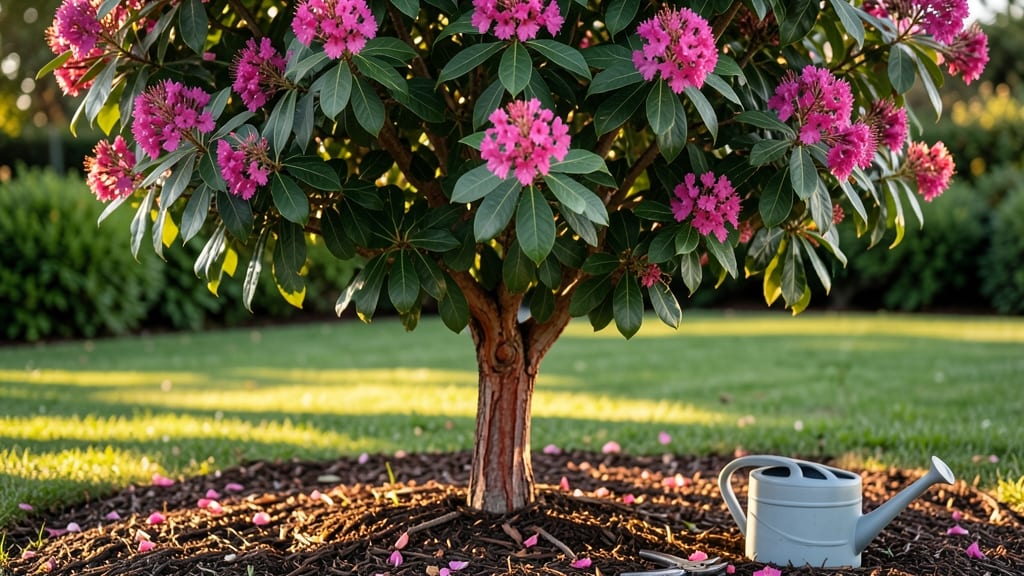
Zone 8A includes areas with average winter lows of 10–15°F (-12 to -9°C), covering parts of California, Texas, Florida, Georgia, South Carolina, and the Deep South. Use the USDA Plant Hardiness Zone Map for exact county boundaries to fine-tune your planting schedule.
Zone 8A's mild winters create a unique growing environment where tropical plants like citrus and bougainvillea thrive alongside cold-hardy varieties. 🌿 The 10–15°F temperature range means frost is rare but possible in inland areas, while coastal regions benefit from milder microclimates.
This diversity affects planting times—Florida's year-round growing contrasts with Texas' early spring starts, where last-frost dates vary by 2-4 weeks depending on elevation.
What sets Zone 8A apart is its ability to support both Mediterranean and subtropical crops. For example, California's coastal areas can grow olive trees year-round, while inland Texas gardeners must protect tender plants during occasional cold snaps.
The key is understanding your local frost risk and adjusting planting schedules accordingly—this zone's flexibility makes it ideal for experimental gardening.
💡 In This Article
- How USDA Zone 8A Climate Affects Plant Selection
- State-by-State Zone 8A Planting Calendars and Adjustments
How USDA zone 8A climate affects plant selection
The 10–15°F (-12 to -9°C) average winter low defines Zone 8A's climate, creating a delicate balance where tropical and temperate plants can coexist.
This temperature range allows citrus trees like oranges and grapefruits to thrive year-round in coastal areas, while inland regions experience occasional frost events that can damage tender foliage.
The key difference lies in the frost-free period, which typically spans 240–300 days—longer in Florida's coastal zones and shorter in Texas' northern reaches.
Microclimates play a critical role in plant selection. Coastal areas benefit from ocean currents that moderate temperatures, creating zones where palm trees and bougainvillea flourish without protection.
Inland, however, the lack of this buffering effect means gardeners must choose cold-hardy varieties or use frost cloths during 2–3°F (-17 to -16°C) dips. For example, while Mexican petunias thrive in California's coastal Zone 8A, they may struggle in Texas' inland areas without winter protection.
The 10–15°F threshold also determines which evergreens will survive. Holly trees and live oaks maintain their foliage through mild winters, while azaleas and camellias bloom spectacularly when protected from sudden cold snaps.
This zone's ability to support both Mediterranean and subtropical species makes it unique—olive trees grow in California's coastal strips, while hibiscus thrives in Florida's humidity.
The science behind this lies in plant hardiness ratings, where Zone 8A's upper limit (15°F) allows for more tropical species than Zone 7B (5–10°F).
Soil temperature becomes equally important. In Zone 8A, spring planting often begins when soil reaches 60°F (15°C), which can vary by 2–4 weeks between northern and southern regions. This timing affects everything from vegetable gardens to flowering shrubs.
For instance, while tomatoes can be planted in Florida by mid-February, Texas gardeners wait until mid-March to avoid frost damage. The zone's diversity means gardeners must monitor local frost dates rather than relying on general planting guides.
Urban vs. rural differences further complicate plant selection. Cities like Houston experience urban heat islands that can raise nighttime temperatures by 5–10°F, creating microclimates where tropical plants thrive near highways. Meanwhile, rural areas maintain cooler nighttime lows, requiring more cold-tolerant selections.
This variation explains why a single county might contain both Zone 8A and Zone 8B areas—sometimes within just a few miles.
What most gardeners overlook is how humidity interacts with temperature. Florida's Zone 8A experiences 80–90% humidity year-round, while Texas' eastern regions see 60–70% humidity. This affects everything from fungal diseases in wet climates to watering needs in drier areas.
For example, azaleas may require daily watering in Florida but only weekly in Texas. Understanding these nuances ensures plants not only survive but thrive in Zone 8A's diverse conditions.