
Planting
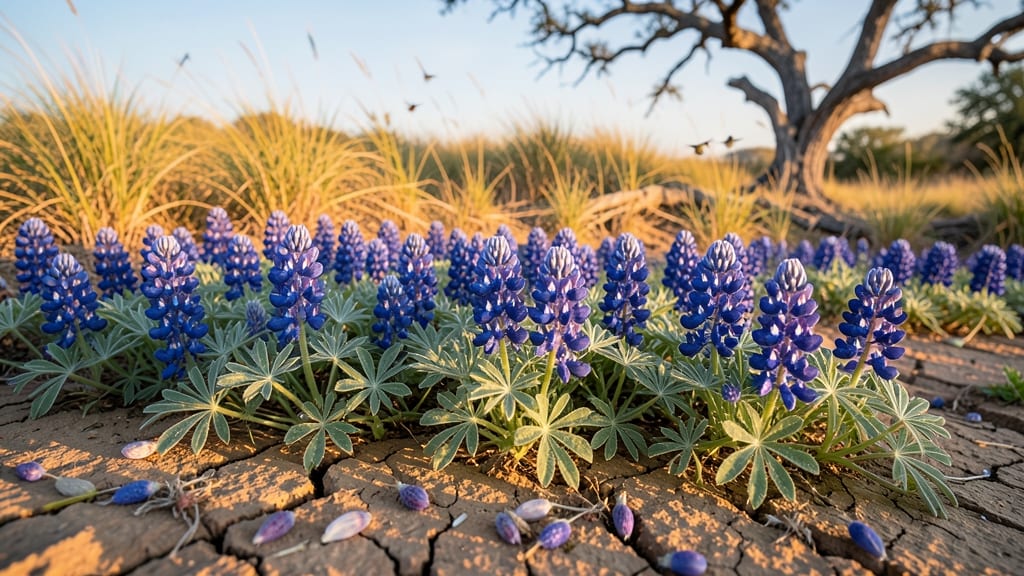
Zone 9 gardeners face unique challenges with intense heat and limited water. These 10 drought-resistant wildflower seeds bring vibrant color to your landscape while requiring minimal maintenance—perfect for transforming sunbaked spaces into pollinator paradises.
Mexican Sunflower Seeds (Tithonia rotundifolia)

Looking for a wildflower that makes a bold statement without demanding much from you? The Mexican sunflower (Tithonia rotundifolia) is your answer—its fiery orange blooms can reach 6 feet tall, creating a dramatic focal point in even the driest corners of your garden.
This hardy annual thrives in full sun and poor soil, making it perfect for Zone 9’s hot, dry conditions. Plant seeds directly in the ground after the last frost, and watch them attract hummingbirds and butterflies all season long. Deadhead spent blooms to encourage more flowers, but otherwise, this plant is nearly maintenance-free.
Ideal for gardeners who want low-maintenance height and color, Mexican sunflowers are especially great for borders, wildlife gardens, or even as a cut flower. 🌻
Blanket Flower Seeds (Gaillardia pulchella)

If you crave a low-maintenance wildflower that punches above its weight in heat, blanket flower (Gaillardia pulchella) is your answer. This heat-loving perennial delivers nonstop color from spring until frost, making it a standout for sun-drenched gardens where other plants wilt.
Blanket flowers thrive in full sun to partial shade and tolerate poor, dry soil—ideal for rock gardens or containers. Their daisy-like blooms in fiery reds, yellows, and bicolors attract butterflies and bees while resisting deer and rabbit damage. Deadhead spent blooms to encourage even more flowers throughout the season.
Perfect for beginners or urban gardeners with limited space, these seeds deliver year-round interest with minimal effort. Just scatter them in well-draining soil and watch the color show begin. 🌻
Desert Marigold Seeds (Baileya multiradiata)

If you're tired of wildflowers that wilt in the first heatwave, desert marigold (Baileya multiradiata) is your answer. This native wildflower thrives in Zone 9's extreme conditions, blooming cheerfully from spring through fall with almost no care.
Native to Arizona and California, desert marigold produces bright yellow, daisy-like flowers that stay vibrant even when other plants struggle. It tolerates full sun exposure, poor soil, and drought once established, making it ideal for low-water landscapes. Simply scatter seeds in well-draining soil and water lightly until germination—no fertilizing or frequent watering required.
Perfect for urban gardeners, pollinator enthusiasts, and those with rocky or sandy soil, this hardy wildflower adds year-round color with minimal effort. 🌻
Blackfoot Daisy Seeds (Melampodium leucanthum)

If you're dreaming of a low-maintenance, sun-drenched garden that thrives on neglect, Blackfoot Daisy (Melampodium leucanthum) is your secret weapon. This native wildflower creates a soft, white carpet of tiny daisies with golden centers, perfect for filling sunny gaps between rocks, along pathways, or as a living mulch.
Once established, Blackfoot Daisy thrives with almost no water—ideal for Zone 9’s dry climate—and spreads effortlessly to fill bare spots. It loves full sun (6+ hours daily) and tolerates poor, rocky, or sandy soils, making it a top choice for urban gardens, slopes, or drought-prone areas. Deadhead spent blooms to encourage continuous flowering from spring through fall.
This is the ultimate zero-effort ground cover for gardeners who want color without the upkeep. Perfect for beginners or busy homeowners, it’s also a magnet for butterflies and bees—nature’s pollinators will thank you! 🌻
Firewheel Seeds (Gaillardia aristata)

If you're dreaming of a wildflower meadow that thrives on neglect, Firewheel (Gaillardia aristata) delivers bold, fiery blooms with almost no effort. This long-blooming perennial produces striking red-and-yellow daisy-like flowers from early summer through fall, making it a standout for xeric landscapes.
Unlike fussy annuals, Firewheel thrives in poor, rocky soil and full sun, requiring only occasional watering once established. Its deep taproot makes it exceptionally drought-tolerant, perfect for water-wise gardens. Plus, it self-seeds happily, creating naturalized drifts over time.
Ideal for wildflower enthusiasts or those with challenging sites, Firewheel adds vibrant color while demanding minimal care—just plant and enjoy the show. 🌻
Blue Porterweed Seeds (Stachytarpheta jamaicensis)

If you're craving a bold splash of color that thrives in the harshest Zone 9 heat, blue porterweed delivers with its striking blue-purple flower spikes that hummingbirds can't resist. This annual is a powerhouse for pollinators while adapting to both sandy and clay soils—making it perfect for tropical or desert landscapes where other plants struggle.
Sow seeds directly in full sun after the last frost, spacing them about 12 inches apart for optimal airflow. While it prefers well-draining soil, it tolerates occasional drought once established, making it a low-maintenance star for water-wise gardens. The plant grows 2-3 feet tall, creating vertical interest while attracting butterflies alongside hummingbirds.
Gardeners in arid climates or those seeking year-round interest will love blue porterweed's ability to bloom from summer through fall. It's especially ideal for container gardens or as a focal point in butterfly gardens. 🌻
Goldenbeard Seeds (Melampodium leucanthum 'Goldenbeard')

Skip the traditional white daisies—Goldenbeard (Melampodium leucanthum 'Goldenbeard') brings a sunlit glow to your garden with its golden-yellow blooms. This compact blackfoot daisy variety creates a cheerful, low-maintenance carpet that thrives in full sun and dry conditions, making it ideal for borders or cascading over container edges.
Unlike its white relatives, Goldenbeard’s bright flowers add warmth to sunny spots while attracting pollinators like bees and butterflies. It spreads gently to fill gaps, requiring minimal water once established—perfect for water-wise gardens. Just scatter seeds in well-draining soil and let nature take its course.
Urban gardeners and small-space lovers will adore how this variety brightens patios and window boxes without demanding attention. 🌻
Mexican Bush Sage Seeds (Salvia leucantha)

When most wildflowers fade by late summer, Mexican bush sage (Salvia leucantha) steps in with its velvety purple blooms and silvery foliage, creating a stunning late-season show that hummingbirds adore. This drought-tolerant beauty thrives in full sun and well-drained soil, making it perfect for Zone 9's hot, dry conditions.
Plant seeds in spring or early summer for blooms that appear from fall through winter, extending your garden's color palette when many other plants have retired. The woolly texture of its flowers adds visual interest, while its low water needs mean you can enjoy it without extra effort. Prune lightly after flowering to keep it tidy and encourage new growth.
Ideal for low-maintenance gardens or pollinator-friendly landscapes, Mexican bush sage is a must-have for gardeners who want year-round interest with minimal fuss. 🌿
Arizona Poppy Seeds (Kallstroemia grandiflora)

If you dream of a low-maintenance meadow that thrives on neglect and bursts with color, Arizona poppy (Kallstroemia grandiflora) is your secret weapon. This native wildflower turns sunbaked patches into vibrant orange carpets with almost no effort from you—just scatter seeds and watch nature take over.
The key to its magic lies in its self-seeding habit, which means each plant produces thousands of tiny seeds that sprout effortlessly in full sun and well-drained soil. Once established, it requires almost no water—perfect for drought-prone Zone 9 gardens. The bright orange blooms appear in late spring and last through summer, attracting bees and butterflies while adding a desert-inspired pop of color.
Ideal for beginners, pollinator gardens, or large-scale wildflower projects, this poppy thrives in poor soil and even tolerates occasional foot traffic. Let it naturalize for a year-round display of wild beauty. 🌻
Texas Bluebonnet Seeds (Lupinus texensis)

Want to bring a splash of Texas charm to your Zone 9 garden without the fuss? Texas bluebonnets (Lupinus texensis) are the answer—these iconic blue wildflowers thrive in cooler winter months and deliver a springtime explosion of color that hummingbirds and bees adore.
Sow seeds in late fall or early spring for best results, as they prefer well-draining soil and full sun. Once established, they’re drought-tolerant and self-seed prolifically, creating naturalized drifts over time. For maximum impact, plant in meadow-style groupings or along roadsides, where their vibrant blue blooms will stand out against green grass.
Perfect for beginners or anyone craving low-maintenance beauty, bluebonnets turn ordinary landscapes into postcard-worthy scenes with minimal effort. 🌻